Monday, December 22, 2025

A Year of Progress for Birds and Communities in California

Landmark protections, thriving working lands, science-driven restoration, and youth leadership made 2025 a year of momentum across California.
 
 ͏‌ ͏‌ ͏‌ ͏‌ ͏‌ ͏‌ ͏‌ ͏‌ ͏‌ ͏‌ ͏‌ ͏‌ ͏‌ ͏‌ ͏‌ ͏‌ ͏‌ ͏‌ ͏‌ ͏‌ ͏‌ ͏‌ ͏‌ ͏‌ ͏‌ ͏‌ ͏‌ ͏‌ ͏‌ ͏‌  ͏‌ ͏‌ ͏‌ ͏‌ ͏‌ ͏‌ ͏‌ ͏‌ ͏‌ ͏‌ ͏‌ ͏‌ ͏‌ ͏‌ ͏‌ ͏‌ ͏‌ ͏‌ ͏‌ ͏‌ ͏‌ ͏‌ ͏‌ ͏‌ ͏‌ ͏‌ ͏‌ ͏‌ ͏‌ ͏‌  ͏‌ ͏‌ ͏‌ ͏‌ ͏‌ ͏‌ ͏‌ ͏‌ ͏‌ ͏‌ ͏‌ ͏‌ ͏‌ ͏‌ ͏‌ ͏‌ ͏‌ ͏‌ ͏‌ ͏‌ ͏‌ ͏‌ ͏‌ ͏‌ ͏‌ ͏‌ ͏‌ ͏‌ ͏‌ ͏‌  ͏‌ ͏‌ ͏‌ ͏‌ ͏‌ ͏‌ ͏‌ ͏‌ ͏‌ ͏‌ ͏‌ ͏‌ ͏‌ ͏‌ ͏‌ ͏‌ ͏‌ ͏‌ ͏‌ ͏‌ ͏‌
Trouble viewing this e-mail? Try our web version.
Audubon California
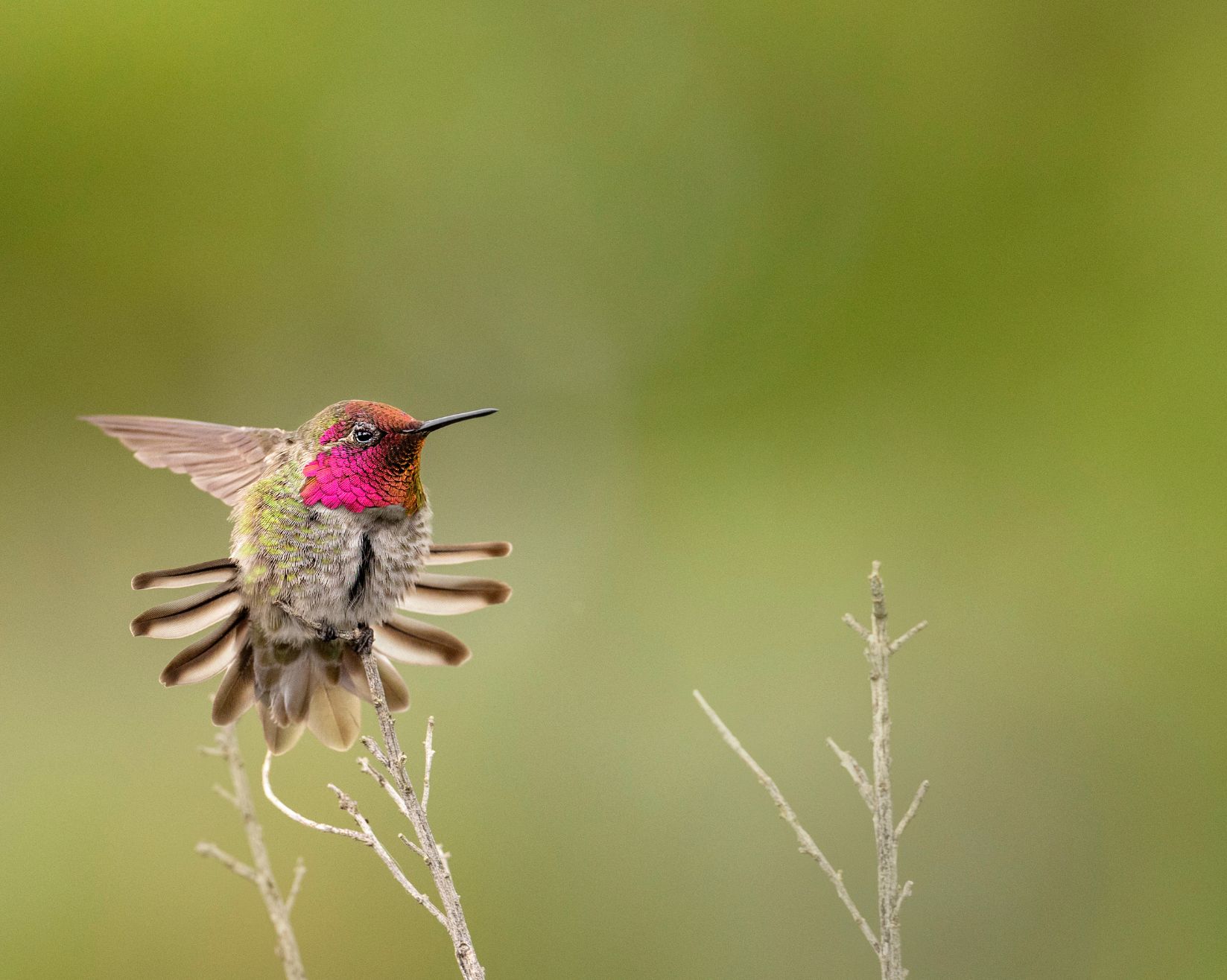
Anna's Hummingbird. Photo: Robert Gloeckner/Audubon Photography Awards.
A Year of Progress for Birds and Communities in California
As 2025 comes to a close, we're reflecting on the incredible efforts happening across California to support birds, habitats, and communities. From landmark habitat protection and working lands stewardship to advocacy leadership, science-driven studies, and youth leadership programs, this has been a year of progress. 

Starting strong in January 2025, we celebrated the designation of the Chuckwalla National Monument, protecting more than 624,000 acres of Mojave Desert south of Joshua Tree National Park. Audubon was proud to stand alongside Tribes, community groups, local businesses, and conservation partners in a coalition that helped make this landmark protection possible.

Spring brought another exciting milestone: 10 years of BirdReturns. What began as a pilot effort has grown into an innovative partnership that turns the Central Valley into an "AirBnB for birds", bringing together private wetland managers, farmers, scientists, and conservationists to deliver habitat when migratory birds need it most along the Pacific Flyway. This year, that collective effort resulted in habitat at a scale that reflects both the urgency of the moment and the strength of our partnerships. With more than 210 participating land managers and over 48,000 acres of wetlands and farmlands enrolled across California, BirdReturns supported hundreds of thousands of birds throughout the annual cycle.

Across California, volunteers and chapters turned out for the triennial Tricolored Blackbird survey, helping locate active breeding colonies of one of the state's beloved, threatened species. Together, surveyors estimated a statewide population of 229,000 adult Tricolored Blackbirds across 170 locations—a 5% increase over the 2022 estimate and a 58% increase from the 2014 low of 145,000 birds. 

Supporters also helped turn advocacy into durable, statewide protections. Community chapters in key districts called lawmakers, and people across California sent nearly 15,000 letters urging action on two major pieces of legislation that we co-sponsored, which will invest millions of dollars in key habitats, through the Habitat Conservation Fund, and strengthen crucial protections for migratory birds, by making the California Migratory Bird Protection Act permanent. 

On working lands, Audubon Conservation Ranching kept building a future where birds, ranching communities, and healthy food systems thrive together. 15 ranches across California are now fully certified through the Audubon Conservation Ranching program, representing more than 263,000 acres of bird-friendly land across California.

At the Audubon Center at Debs Park in Los Angeles, more than 28,000 community members were engaged through restoration, education, and events. Plus, over 5,000 California native plants have been distributed since the Los Nogales Nursery opened in August 2025. In the Bay Area, the Richardson Bay Audubon Center and Sanctuary team pushed coastal resilience forward by growing native and sensitive plants for restoration, monitoring dynamic marsh habitat, and helping Audubon Youth Leaders experience eelgrass ecosystems firsthand through kayaking trips that foster the next generation of coastal stewards.

Our new science brief synthesized seven years of surveys at the Salton Sea. Applying this kind of science-driven approach can help guide future habitat projects across the Sea, so conservation investments deliver the greatest benefits for birds and nearby communities. This year also marked a major milestone: for the first time, water began flowing into the Species Conservation Habitat Project, creating vital shorebird habitat while reducing harmful dust for nearby communities. We also celebrated the graduation of our first Salton Sea Leadership Program cohort!

We're grateful to every supporter, volunteer, partner, and community member who helped make this year possible. If you'd like to dive deeper, keep reading below for more highlights and links to the full stories from across California.
Anna's Hummingbird. Photo: Robert Gloeckner/Audubon Photography Awards.
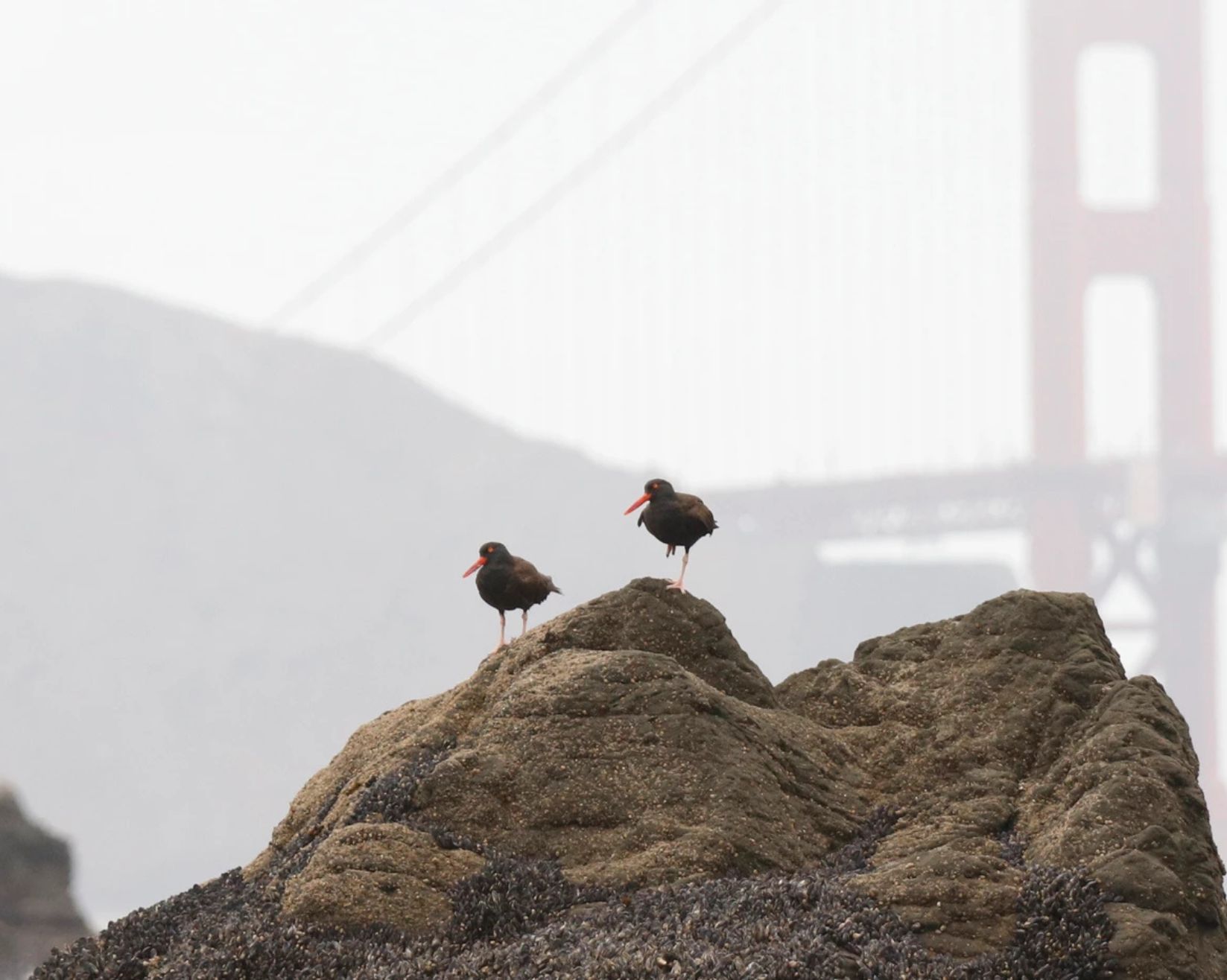
Black Oystercatchers in front of the Golden Gate Bridge Photo: Audry Nicklin/Audubon Photography Awards
Traversing the State to Unite Our Chapter Flock
California's 48 independent Audubon chapters are doing extraordinary work, and this year was about strengthening the connections between them and turning "we should connect sometime" into real collaboration. Follow a year of listening, learning, and building a more connected statewide network. 

 
Black Oystercatchers in front of the Golden Gate Bridge Photo: Audry Nicklin/Audubon Photography Awards
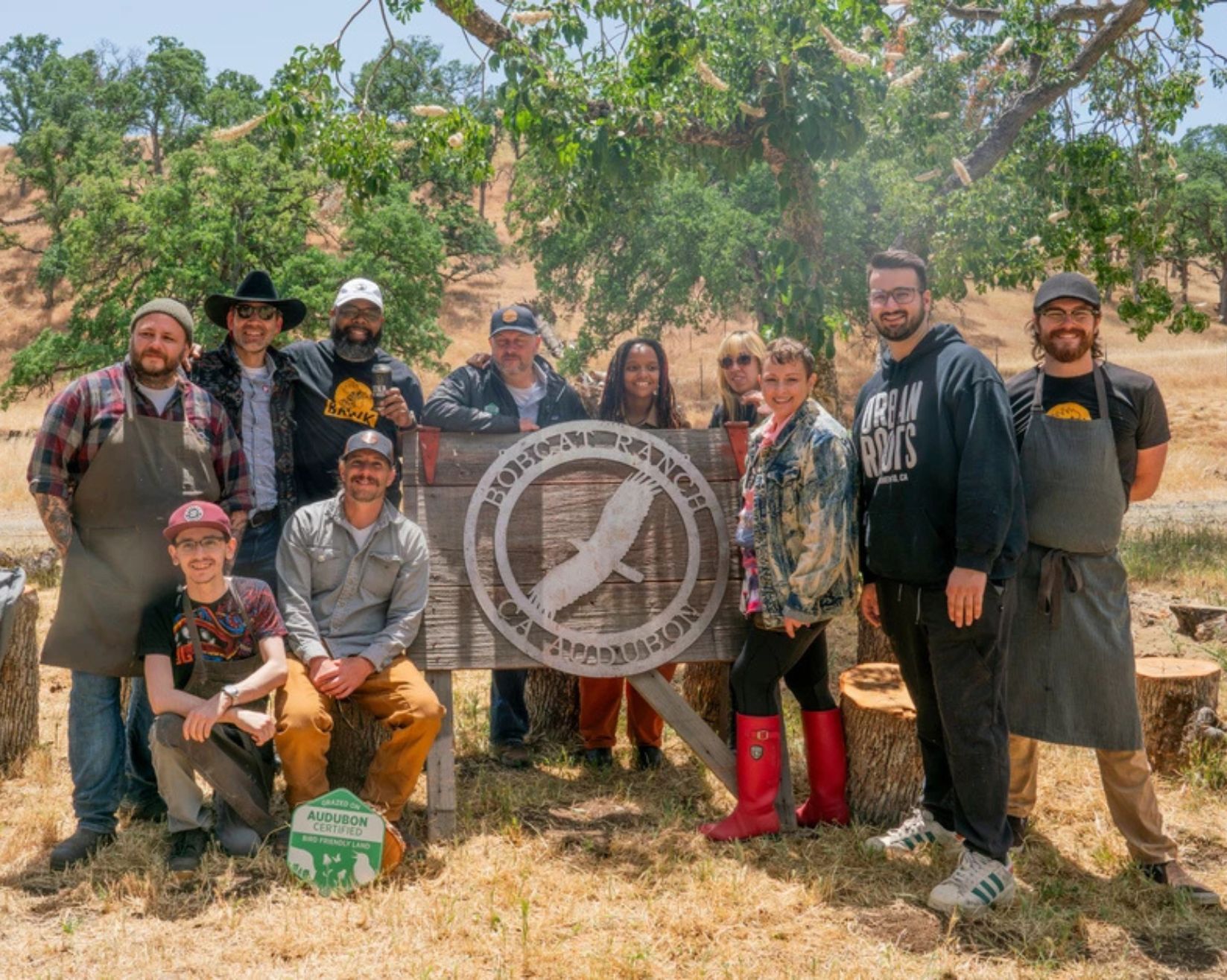
At Bobcat Ranch this May (2025), the Conservation Ranching staff welcomed Sacramento local chefs and food leaders to its first The Land that Feeds Us event. Photo: Sydney Walsh/Audubon.
Audubon Conservation Ranching in California Takes Flight: 2025 Year in Review
Stewardship on working lands can benefit birds, ranchers, and communities at the same time. With 263,000+ acres of bird-friendly land in California, the ACR program is growing its community and bringing people closer to the land that feeds us. See the cool events, workshops, and partnerships that drove ACR's progress.

 
At Bobcat Ranch this May (2025), the Conservation Ranching staff welcomed Sacramento local chefs and food leaders to its first The Land that Feeds Us event. Photo: Sydney Walsh/Audubon.
Paige Fernandez, San Francisco Bay Program Manager and Mia Rosati, Community Conservation Fellow with the 2025 Audubon Youth Leaders. Photo: Paige Fernandez/Audubon.
Richardson Bay Audubon Center & Sanctuary: An End-of-Year Reflection
The Richardson Bay team turned science into action through shoreline monitoring and restoration planning, while growing native and sensitive plants for the Greenwood Beach project, including federally endangered California seablite. The year also offered plenty of space for youth leadership and learning, with Audubon Youth Leaders kayaking through eelgrass habitat and connecting the dots between coastal ecosystems, community stewardship, and what comes next. Get inspired with us and read Richardson Bay's 2025 Reflection.

 
Paige Fernandez, San Francisco Bay Program Manager and Mia Rosati, Community Conservation Fellow with the 2025 Audubon Youth Leaders. Photo: Paige Fernandez/Audubon.
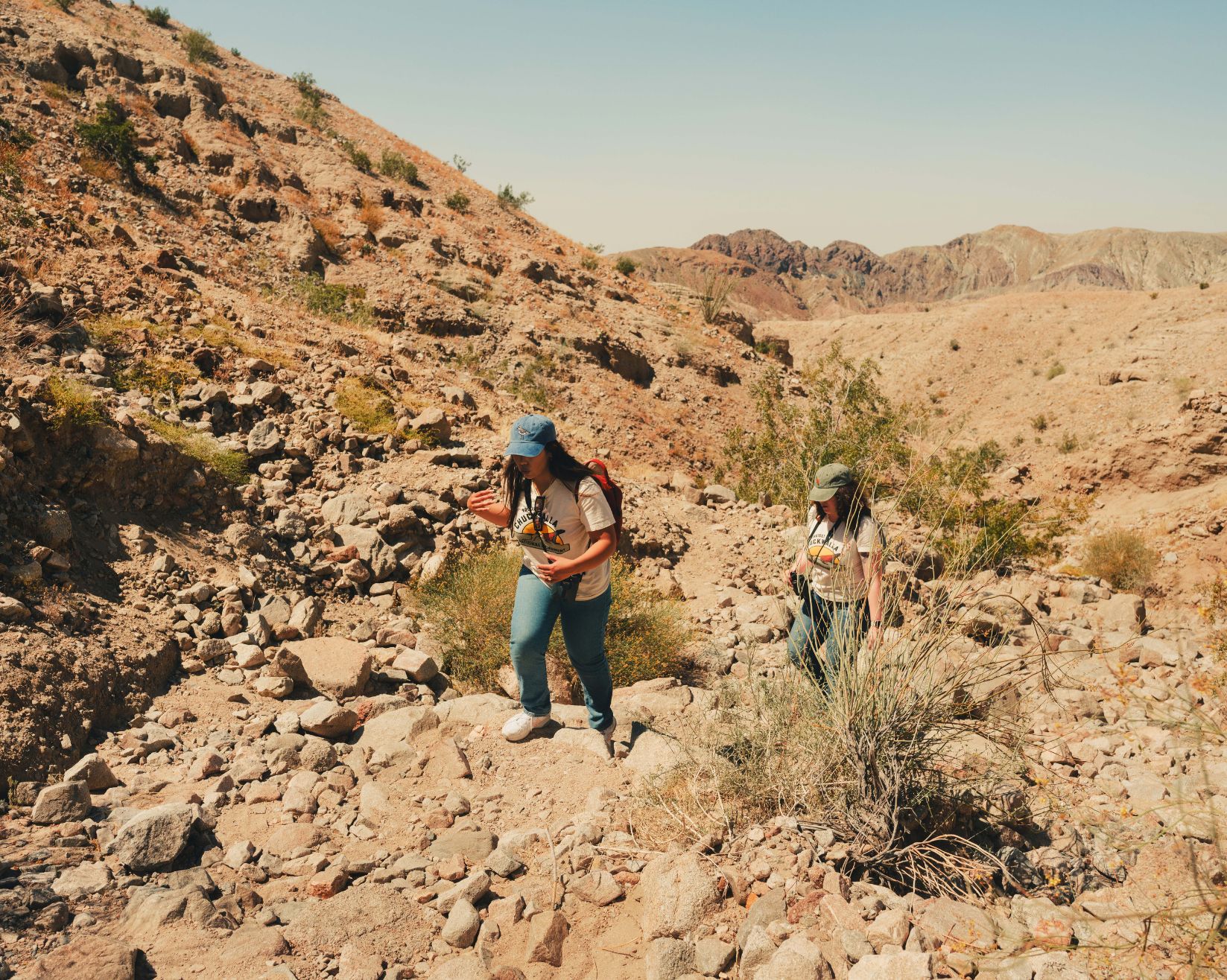
 Audubon's Camila Bautista and Rhian Reyes exploring the beauty of Chuckwalla. Photo: Mike Fernandez/Audubon.
A Landmark Year for the Salton Sea and Desert Program
From playing a pivotal role in the designation of Chuckwalla National Monument to launching the first-ever Salton Sea Leadership Program, the team is building the partnerships, habitat protections, and community capacity needed to safeguard this landscape for birds and people. See the year in review.
Audubon's Camila Bautista and Rhian Reyes exploring the beauty of Chuckwalla. Photo: Mike Fernandez/Audubon.
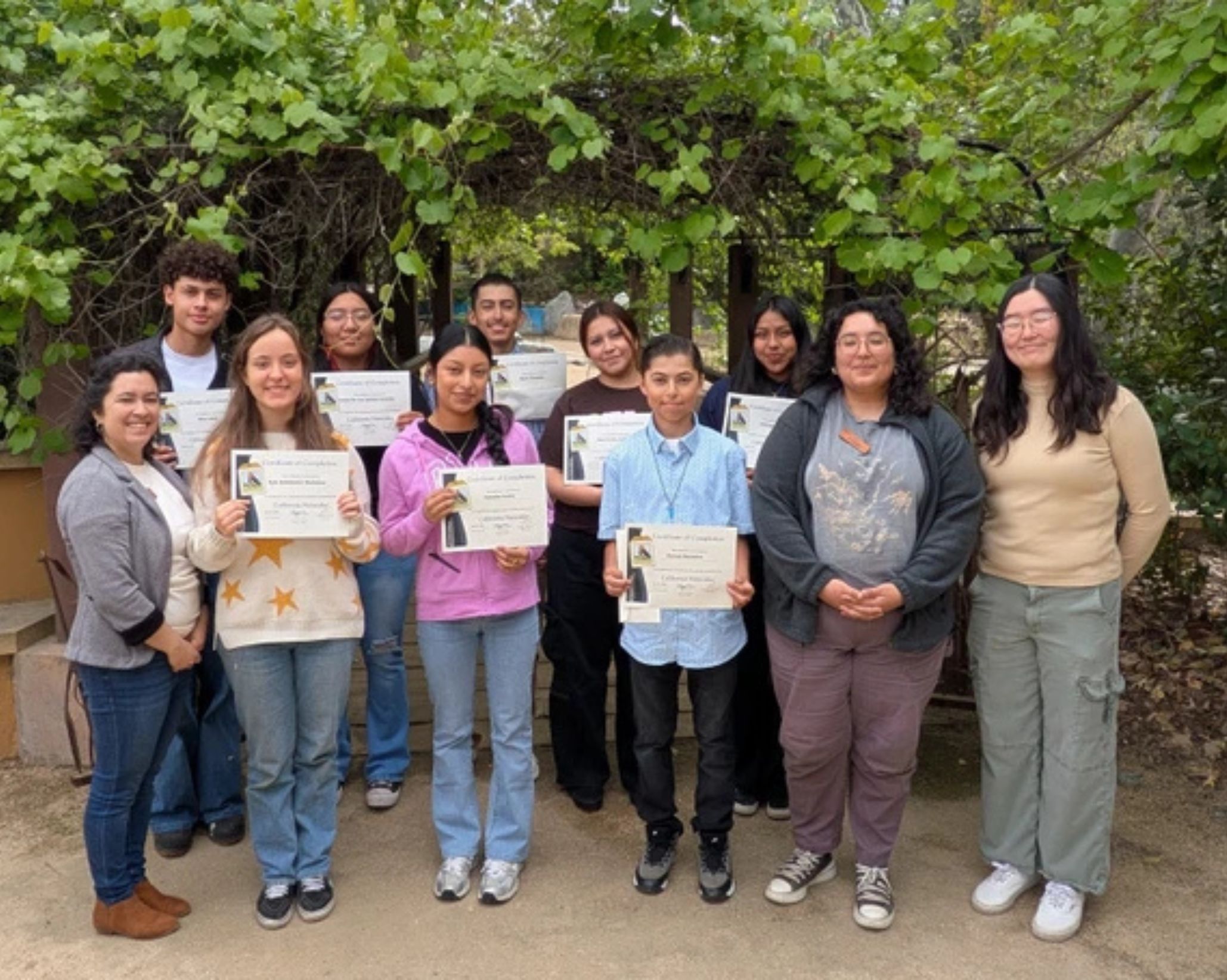
Audubon Center at Debs Park staff (left to right) Evelyn Serrano (Center Director), Amaris Corona Sandoval (Community Conservation Fellow), and He Sung Im (Public Programs Manager) with the Summer 2025 Audubon Youth Leaders graduating class. Photo: Evelyn Serrano.
A Year of Growth and Gratitude at Debs Park: 2025 Reflections
At the Audubon Center at Debs Park, 2025 was rooted in habitat, community, and opportunity. See how Debs Park builds a more climate-resilient LA alongside youth leaders, volunteers, and neighbors.
Audubon Center at Debs Park staff (left to right) Evelyn Serrano (Center Director), Amaris Corona Sandoval (Community Conservation Fellow), and He Sung Im (Public Programs Manager) with the Summer 2025 Audubon Youth Leaders graduating class. Photo: Evelyn
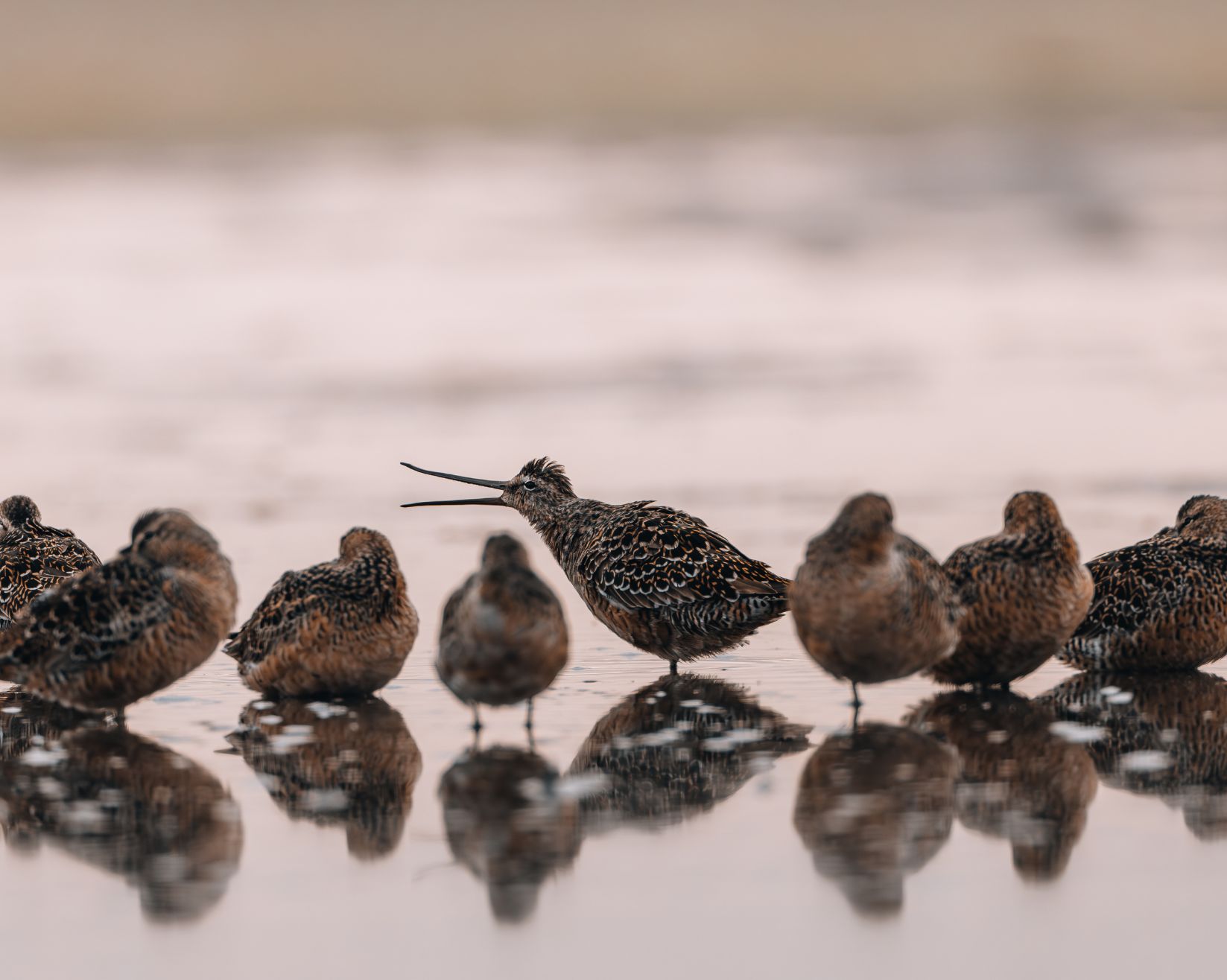
Long-billed-Dowitchers. Photo: Patrick Wardle/Audubon Photography Awards.
BirdReturns 2025: A Remarkable Year Delivering Crucial Habitat for Birds
BirdReturns celebrated its 10th anniversary in 2025, and the scale of this year's impact reflects the strength of the partnership behind it. This innovative program supports hundreds of thousands of birds throughout the annual cycle by delivering habitat where and when it's needed most. Learn more about how BirdReturns created over 48,000 acres of temporary wetlands.
 
Long-billed-Dowitchers. Photo: Patrick Wardle/Audubon Photography Awards.
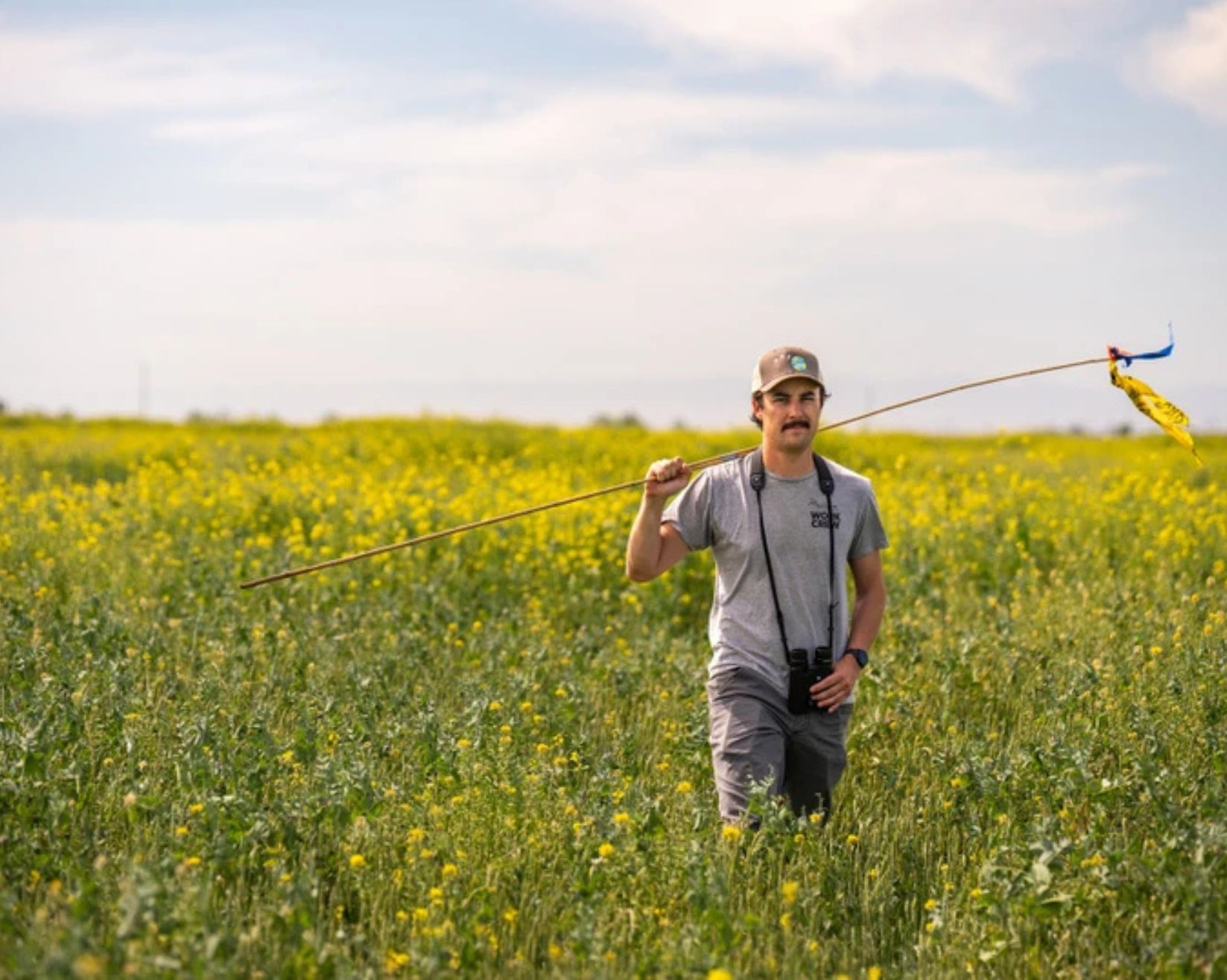
Biologist Ian Souza-Cole holds a boundary marker (for marking nesting Tricolored Blackbird colony boundaries) made of bamboo, duct tape, and brightly colored barricade tape. Photo: Alecia Smith/Audubon.
Showing Up for Tricolored Blackbirds in 2025
When Tricolored Blackbirds nest on working lands, Audubon shows up with farmers and partners to keep colonies safe. In 2025, the team expanded its Motus footprint with two new stations, kicked off a movement study by tagging 104 Tricolored Blackbirds, protected 21 colonies, and supported agreements that allowed 174,000 adult blackbirds to reproduce without nests being lost during harvest operations. Follow the Tricolored Blackbird work.
Biologist Ian Souza-Cole holds a boundary marker (for marking nesting Tricolored Blackbird colony boundaries) made of bamboo, duct tape, and brightly colored barricade tape. Photo: Alecia Smith/Audubon.
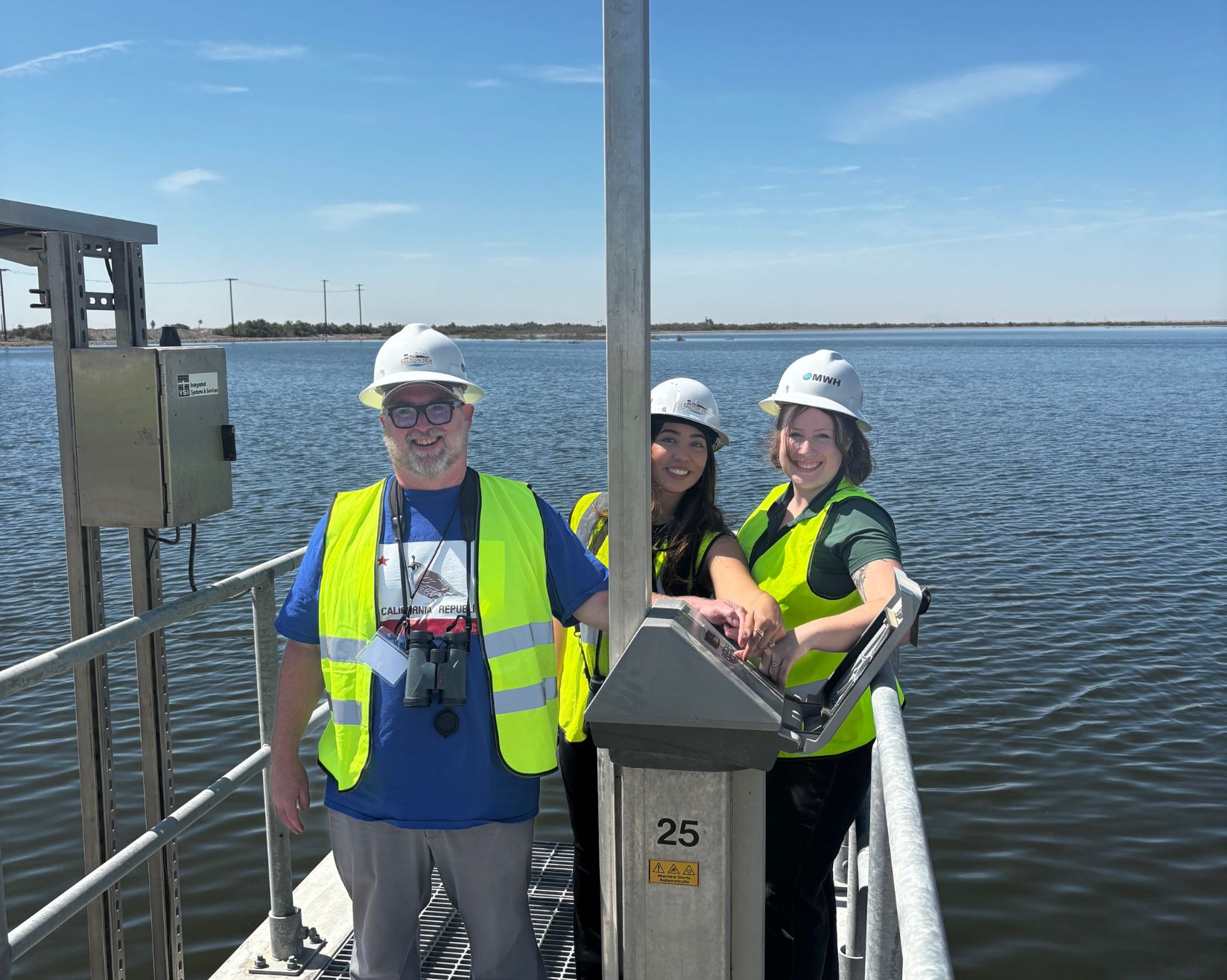
Audubon's Dan Orr, Camila Bautista, and Rhian Reyes.
California's Geospatial Science in Action
From the Salton Sea to statewide planning conversations, Audubon California's Geospatial Science team is turning maps and data into real-world conservation outcomes. This year's work includes advancing restoration planning for roughly 2,000 acres of wetland habitat at the Sea, modernizing data models that support smarter renewable energy siting, and bringing researchers and decision makers to the same table so science can move conservation forward. Explore the science.
 
Audubon's Dan Orr, Camila Bautista, and Rhian Reyes.
Audubon California in the News
CONNECT WITH US
Facebook Twitter Instagram LinkedIn YouTube
Audubon California
1901 Harrison Street, Suite 1450, Oakland, CA 94612 USA
(415) 644-4600 | www.audubon.org/california

© 2025 National Audubon Society, Inc.

Unsubscribe
 

No comments: