Friday, April 29, 2022

Support birds this Arbor Day

Plant Audubon® Native Trees | 
Trouble viewing this e-mail? Try our web version.
National Audubon Society
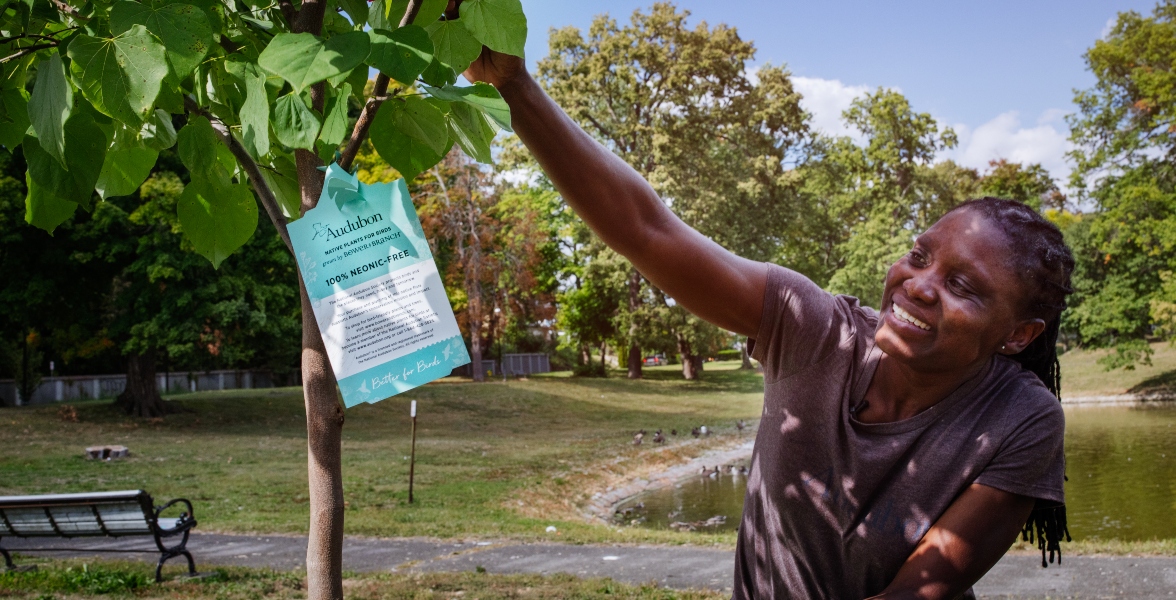
Plants for Birds Program Manager Marlene Pantin plants an Audubon® native tree in New York.
This Arbor Day, Plant Audubon® Native Trees
Choose trees that are better for birds. Audubon® Native Plants and Trees are grown by our partner, Bower & Branch, and are 100% free of neonicotinoids—that means no dangerous pesticides that can harm birds and other pollinators! Our selections will continue to expand, so check back regularly for more options native to your region.
Learn More
Plants for Birds Program Manager Marlene Pantin plants an Audubon® native tree in New York. Photo credit: Mike Fernandez/Audubon.
CONNECT WITH US
Facebook Twitter Instagram LinkedIn YouTube
DONATE
ADVOCATE
GET TEXT UPDATES
National Audubon Society
225 Varick Street, New York, NY 10014 USA
(844) 428-3826 | audubon.org

© 2022 National Audubon Society, Inc.

Update your email address or unsubscribe

Thursday, April 28, 2022

Let’s Draw Warblers with John Muir Laws: Anatomy and Angles

Tomorrow at 12pm PT
 
Audubon California
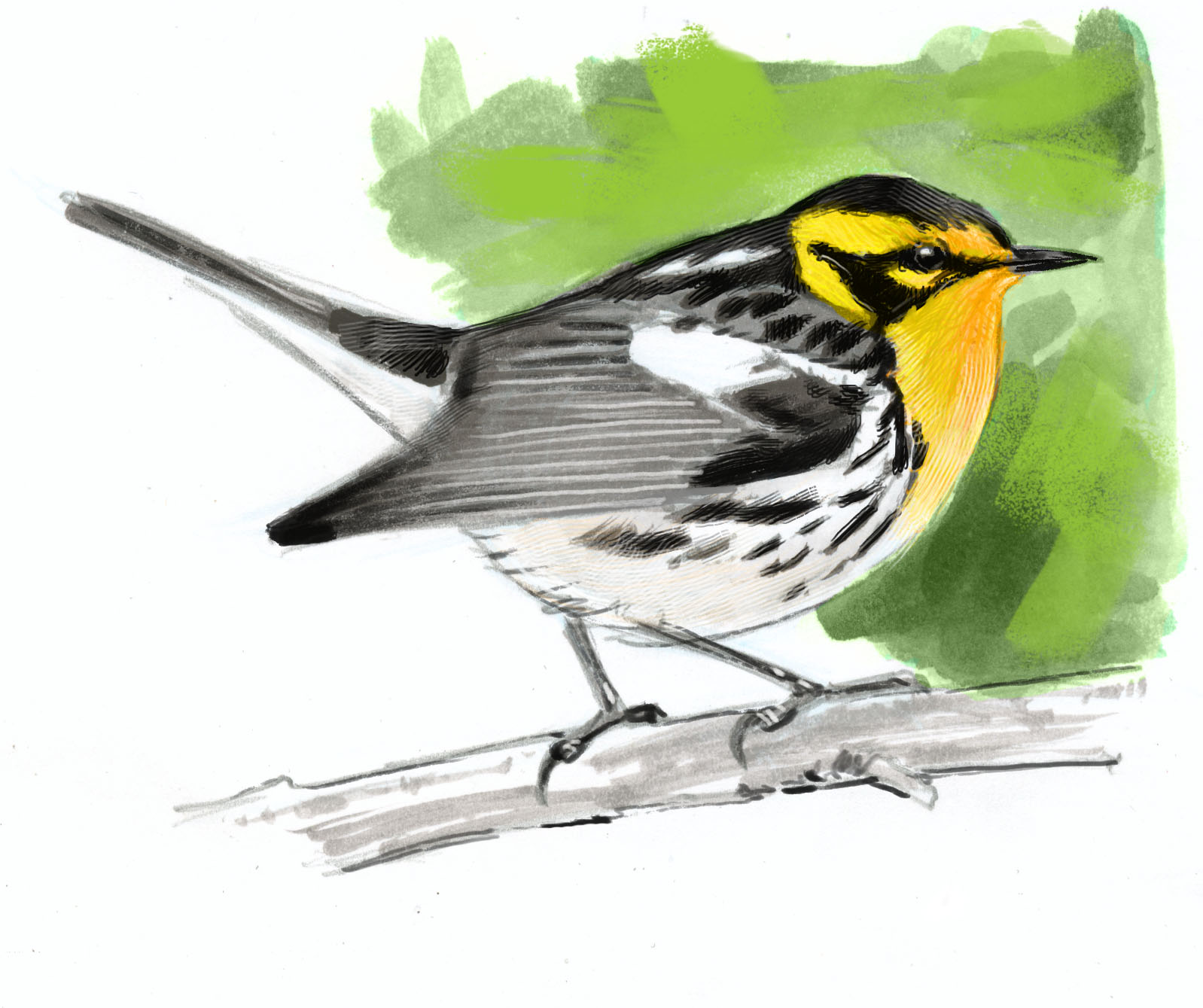
Blackburnian Warbler Drawing
Learn to Draw Warblers with John Muir Laws

Dear KAREN,

Celebrate spring migration by learning to capture the beauty and energy of warblers in this 2-part drawing and nature journaling class with acclaimed artist, author, educator, and scientist John Muir Laws. He is the author of The Laws Guide to Nature Drawing and Journaling and The Laws Guide to Drawing Birds.


Register by clicking the class title links below!

Part 1: Let's Draw Warblers: Anatomy and Angles 

April 29th 12PM - 1:30 PM PT

Learning about the anatomy of warblers will help you draw them more accurately. We will also practice drawing the head and body of warblers from various angles. We will utilize photos and videos to practice our techniques.

Part 2: Let's Draw Warblers: Bringing Your Warbler to Life 

May 6th 12PM - 1:30 PM PT

Make your warbler drawing come to life with tips about feather texture and placement of legs, feet, eyes, and beaks. We will also practice fast-sketching techniques to help you sketch warblers in the field. 

Please note, you must register for each of these classes separately. Click on the individual links above to register!

No experience or special equipment is required! All you need is an internet connection, pencil, paper and willingness to learn. If you would like to learn a bit more about general bird drawing skills, check out the class webpage, which contains class resources and recordings of all our previous classes.
Field journaling is a skill that anyone can learn. It enhances your ability to notice details and remember what you see. The practice also helps you develop curiosity and creative thinking. You do not have to be an artist or a naturalist to keep a field journal, but if you make it a part of your regular birding practice, you will become both.

Jack Laws

PLEASE CONSIDER A DONATION

John Muir Laws' mission is to connect people to art, science, nature, and conservation through field journaling. He is teaching these classes for Audubon at no charge to you or to us. Please show your gratitude for this wonderful free opportunity by making a donation to support John Muir Laws here. You can also support John by shopping in his store, where you can buy his book, The Laws Guide to Drawing Birds, or his newly released Laws Sketchbook for Nature Journaling.

Blackburnian Warbler. Illustration: John Muir Laws

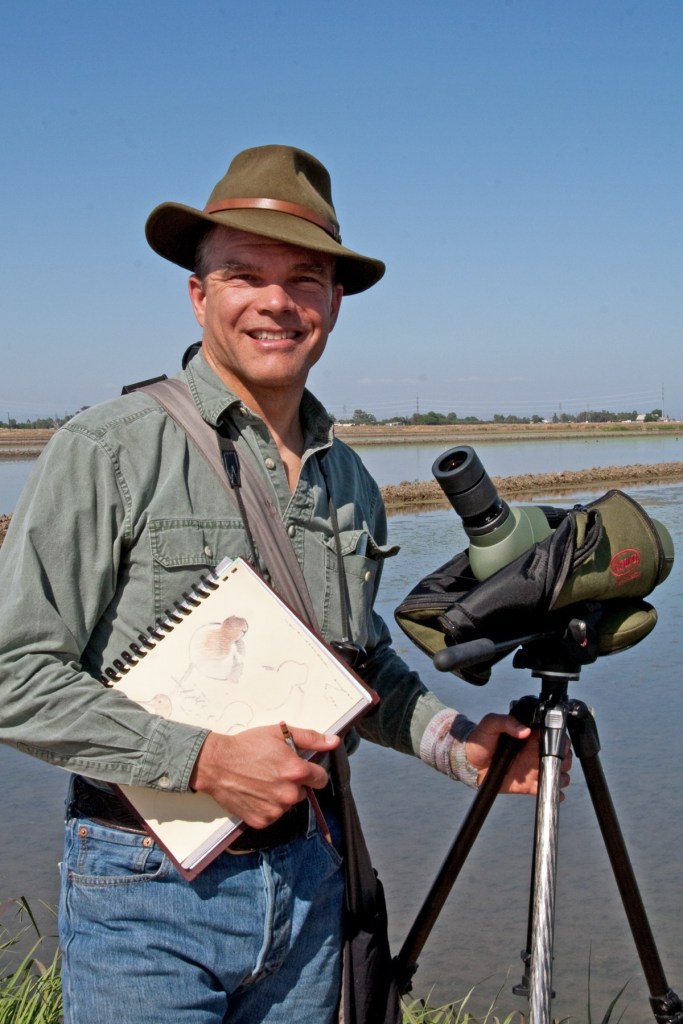
John Muir Laws. Photo: John Muir Laws

CONNECT WITH US
Facebook Twitter Instagram LinkedIn YouTube
Audubon California
220 Montgomery Street, Suite 1000, San Francisco, CA 94104-3443 USA
(415) 644-4600 | ca.audubon.org

© 2022 National Audubon Society, Inc.

Update your email address or unsubscribe

Wednesday, April 27, 2022

Avian Flu Updates | Timberdoodle Time | Reduce Bird Window Collisions

In this Issue: Hear from Audubon's new VP of Climate |
Trouble viewing this e-mail? Try our web version.
National Audubon Society
Newsletter | April 2022
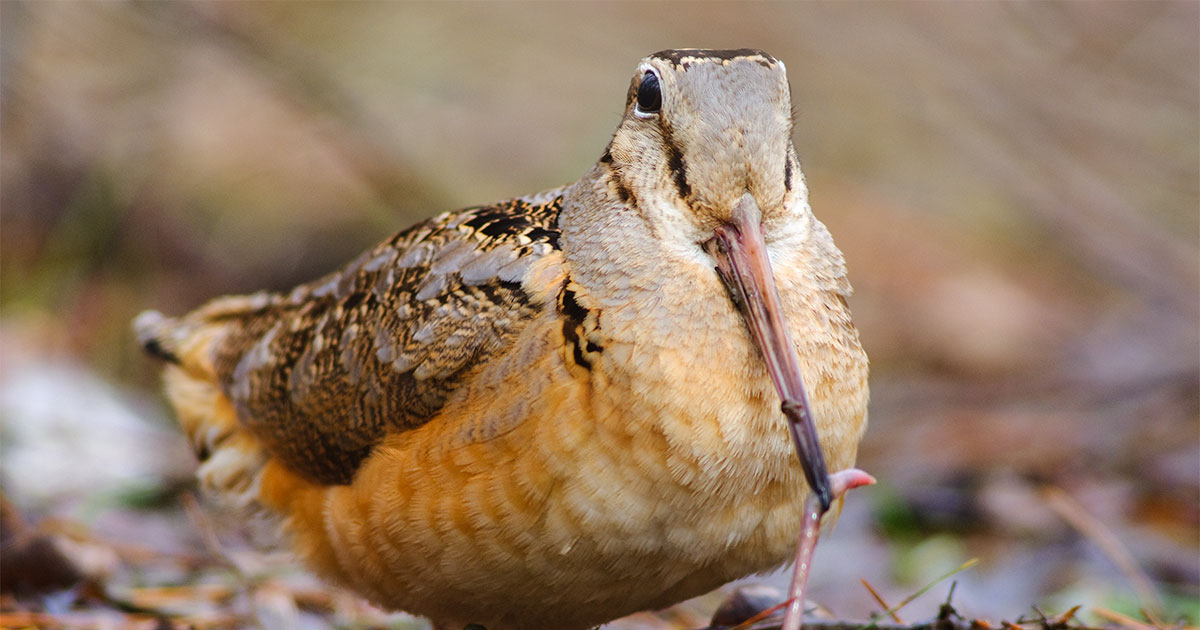
American Woodcock.
The Weirdly Wonderful American Woodcock
Peent! In the eastern United States and Canada, this memorable, buzzy call from the American Woodcock is a welcome sign of spring. This doe-eyed early migrant and forest-dwelling sandpiper goes by a few other names: Timberdoodle, Bogsucker, and even Labrador Twister. With their cartoonish looks and quirky behaviors, these coy and plump internet favorites are met with fans everywhere they go. Find out why one of North America's oddest-looking birds is also among the most beloved. Learn more
American Woodcock.
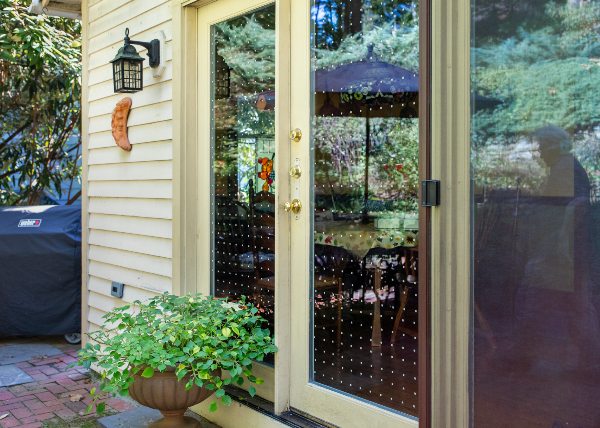
Vinyl dots placed in a dense pattern on residential glass doors.
Simple Steps to Prevent Bird Collisions
Birds face innumerable threats in our human-built environment. Scientists estimate that up to 1 billion birds die each year in the United States from building collisions in both commercial and residential settings. The biggest hazards contributing to these collisions? Artificial light at night and glass. Here are some simple ways we can make our communities and skies safer for birds. Read on
Vinyl dots placed in a dense pattern on residential glass doors.
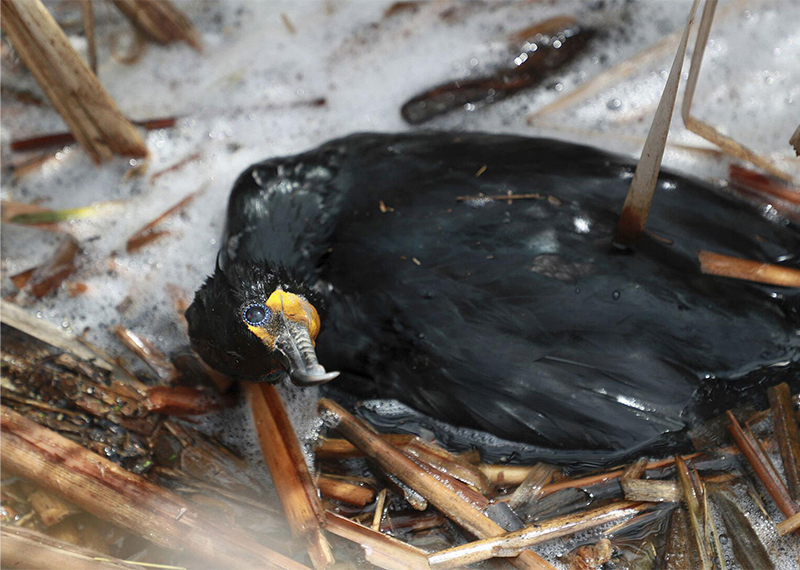
Double-crested Cormorant infected with avian flu.
Update on the Latest Strain of Avian Flu
Typically a threat to mainly domestic poultry, a recent outbreak of avian flu has infected and killed wild birds as well. Experts believe the strain's spread is largely being fueled by migrating waterfowl this spring. So far, the strain is a low public health threat with no cases of human infection having occurred in the U.S. Read on to learn more about the virus and current guidelines. Keep reading​​​​​​​
Double-crested Cormorant believed to be infected with avian flu.
Upcoming Virtual Events
Audubon in Action
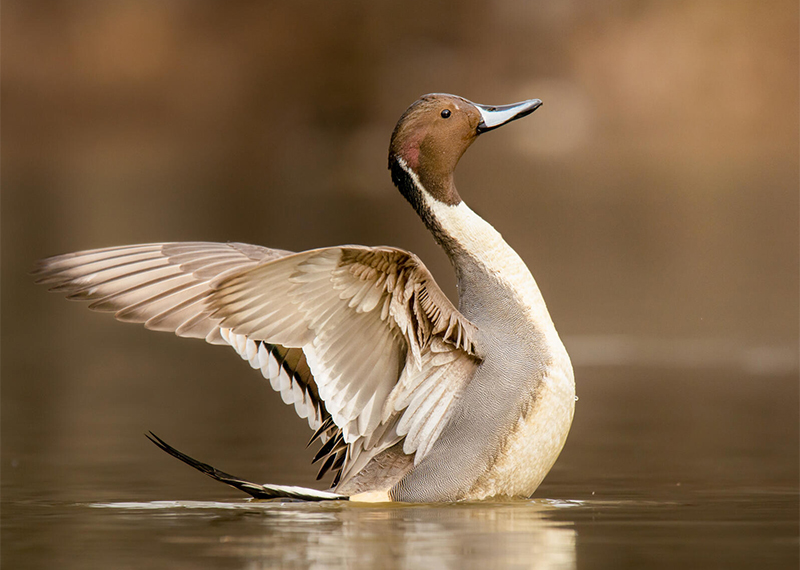
Northern Pintail.
Birds Tell Us to Invest in Our Planet
Last week we celebrated Earth Day, a time to appreciate nature and take meaningful action to defend our planet. And when reports show that two-thirds of North American bird species are at risk of extinction due to climate change, this year's theme of "Invest in Our Planet" couldn't come at a better time. Read on for a statement from Sarah Rose, our new Vice President of Climate, on Audubon's commitment to a better future for birds and people. Keep reading
Northern Pintail.
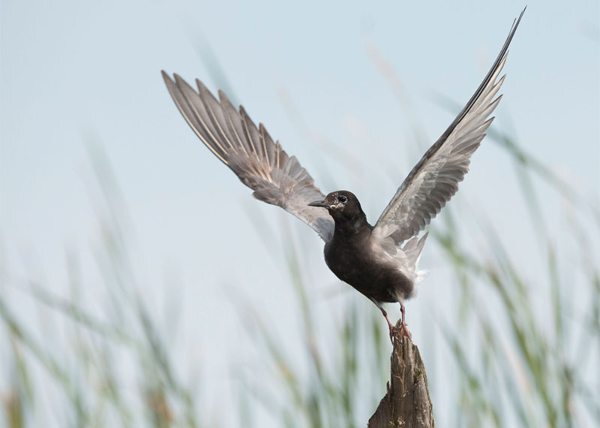
Black Tern.
Help Save America's Birds & Other Wildlife
Science tells us that we've lost 3 billion birds in less than a human lifetime. Enough is enough. The "Recovering America's Wildlife Act" represents a bold vision that our nation needs to help address this crisis. Write to your members of Congress today and urge them to support the bipartisan Recovering America's Wildlife Act. Take action
Black Tern.
Support Audubon
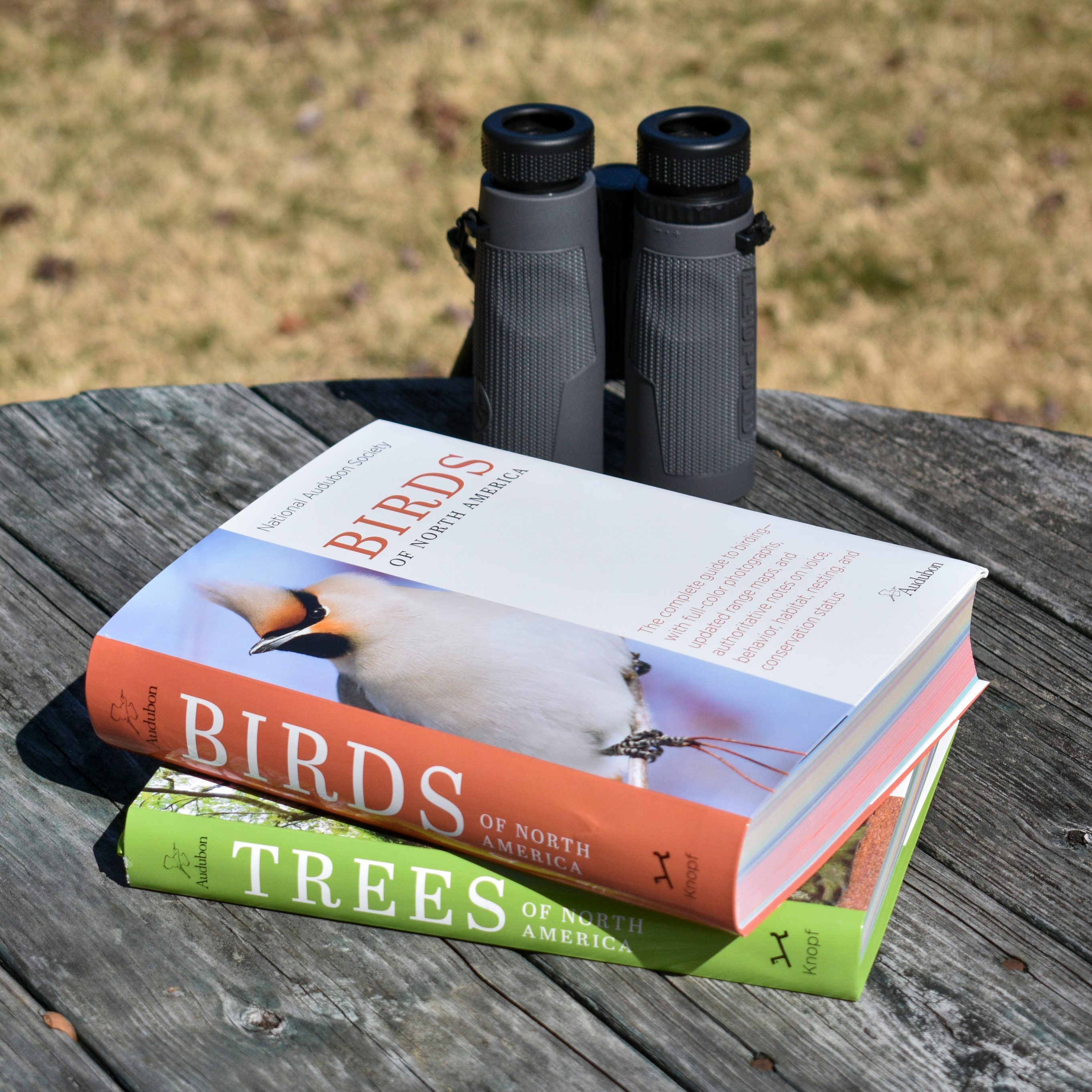
A pair of binoculars next to a stack of National Audubon Society Guides.
Books to Become a Better Birder
Spring migration is here—brush up your ID skills with the latest editions of the National Audubon Society Guides to Birds and Trees of North America. Now featuring conservation statuses for every species, these complete reference guides are perfect for outdoor enthusiasts and experts alike. Learn more
Photos from top: Gerrit Vyn/Minden Pictures; Mike Fernandez/Audubon; Stacey Wescott/Chicago Tribune/Tribune News Service/Getty Images; Nick Vance/Audubon Photography Awards; Diana Whiting/Audubon Photography Awards; Lia Bocchiaro/Audubon
Did you receive this message from a friend? Sign up for the Audubon Newsletter here→
CONNECT WITH US
Facebook Twitter Instagram LinkedIn YouTube
DONATE
ADVOCATE
GET TEXT UPDATES
National Audubon Society
225 Varick Street, New York, NY 10014 USA
(844) 428-3826 | audubon.org

© 2022 National Audubon Society, Inc.

Update your email address or unsubscribe