Friday, October 16, 2026

Watch: Great Salt Lake’s Snowy Plover 🎥

In this issue: An Alaskan Bird Festival, Following Wood Thrush, and Take Action for the Western Arctic

Trouble viewing this e-mail? Try our web version.

National Audubon Society
|  Wingspan Newsletter  October 2026
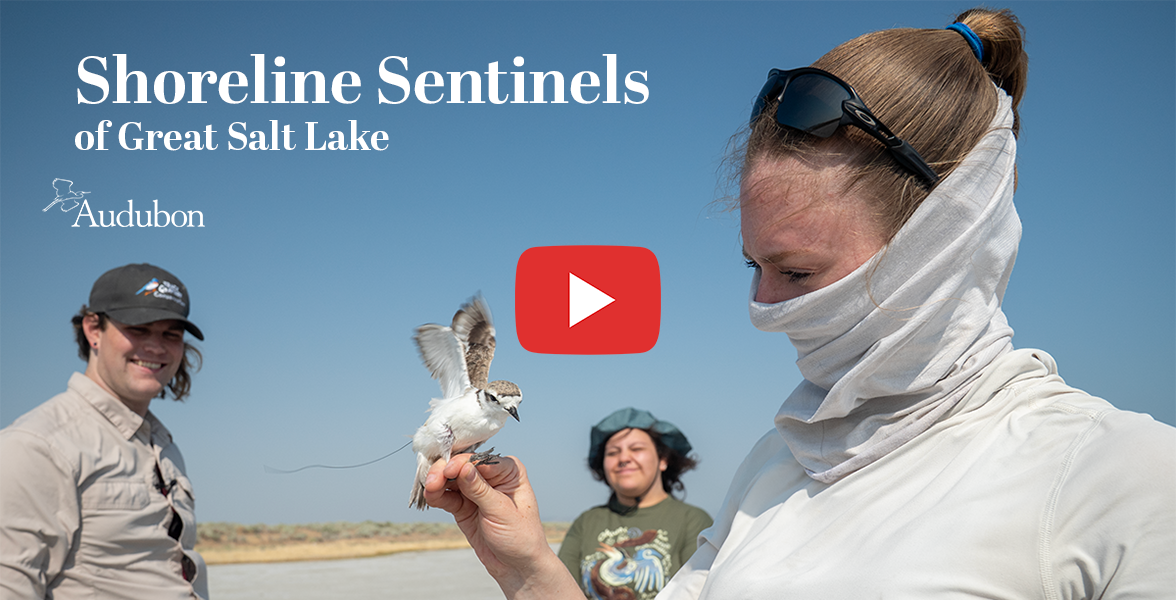
Three people stand on a beach. One person holds a Western Snowy Plover.

Watch: Shoreline Sentinels of Great Salt Lake

Although small and adorable, Western Snowy Plovers are among the toughest and best-adapted shorebirds on Great Salt Lake. The lake is home to the largest non-coastal breeding population of Western Snowy Plovers, but their nesting grounds overlap with the lake’s most heavily used area. Watch our new short film, Shoreline Sentinels of Great Salt Lake, to discover how our staff, volunteers, and partners help make a difference for the Western Snowy Plover.
 
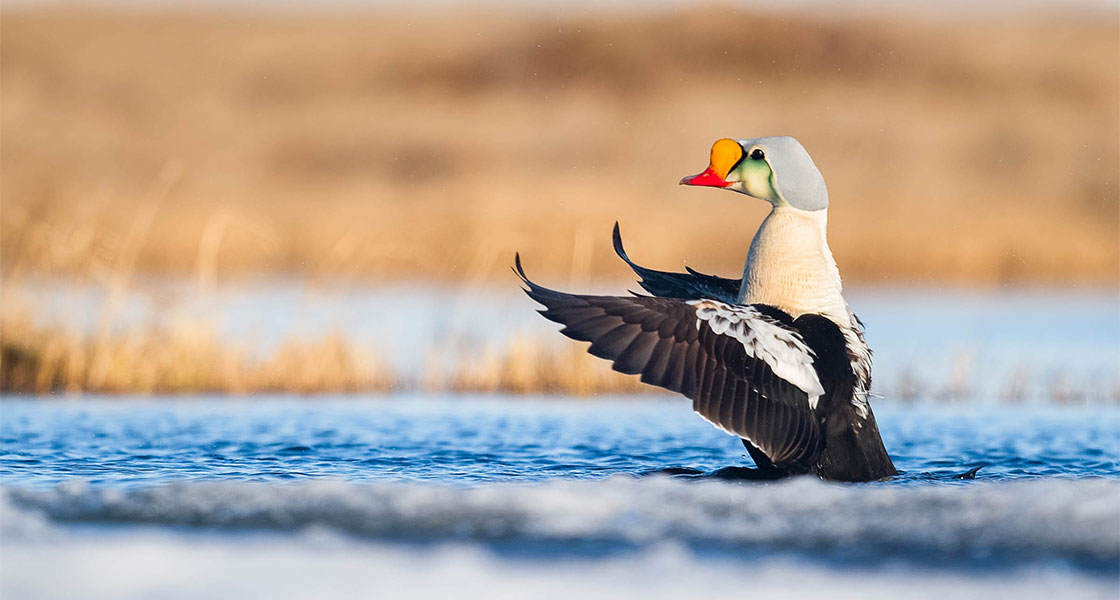
A King Eider stretches their wings in water.

King Eider. Photo: Warren Hatch/Audubon Photography Awards

A Bird Festival for Your Bucket List

Sitting at the most northern point of the United States, Utqiaġvik, Alaska is a birder’s paradise full of must-see species like Snowy Owls and Steller’s Eiders. This year marked the fourth-ever Utqiagvik Migratory Bird Festival, a celebration of birds and culture that blends Indigenous and scientific knowledge. Learn more about this year’s festival (and get inspired to make a trip to Utqiagvik in 2027).
 
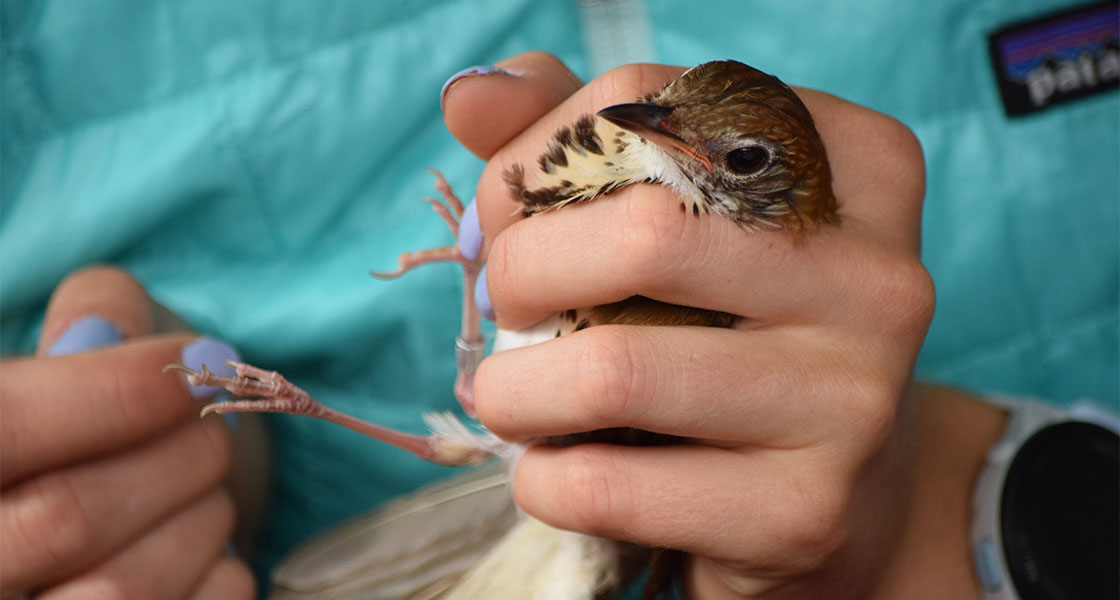
A person holds a Wood Thrush with one hand while banding them with the other.

A bander carefully holds a Wood Thrush at Green Mountain Audubon Center's MAPS banding station. Photo: Meghan Lee-Hall/Audubon Vermont

Two Wood Thrush Helped Us Solve a Mystery

There’s still a lot to learn about what happens during Wood Thrush’s migratory journeys. That’s why we participated in a study that tagged more than 1,000 Wood Thrush to learn more about the challenges they face. Two Wood Thrush in particular, Debby and Pete, gave us a lot of answers. Can you guess how many miles Wood Thrush migrate each year? Discover the answer and learn more about two special Wood Thrush and what their journeys tell us.
 
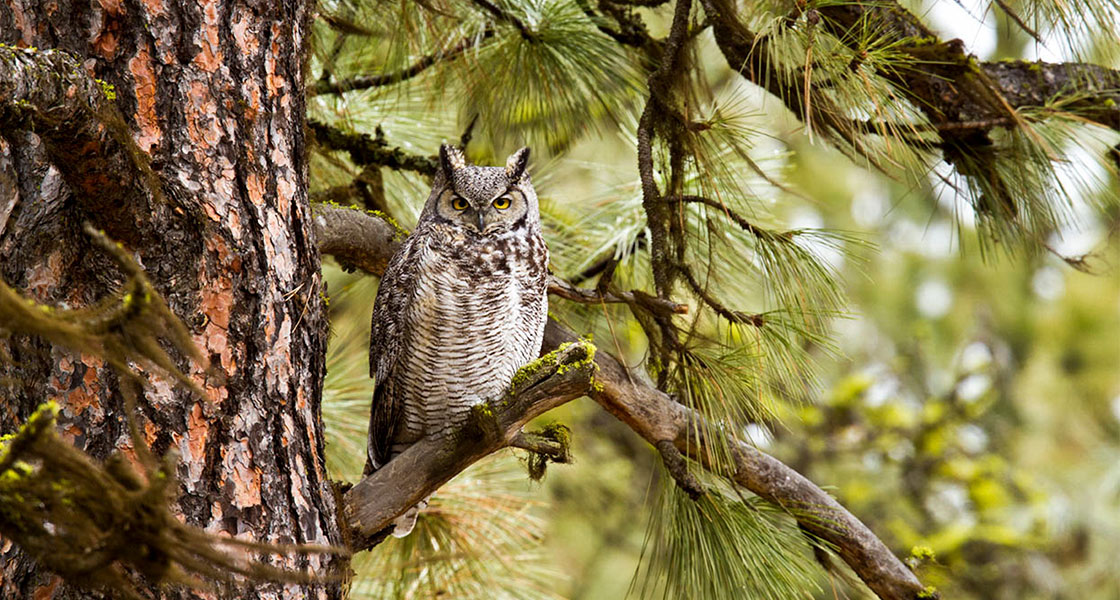
A Great Horned Owl perches on a tree branch.

Great Horned Owl. Photo: Christine Haines/Great Backyard Bird Count

Fall in Love with This Great Horned Owl Plush

The Great Horned Owl’s iconic call echoes through woods across North America at dawn and dusk. Donate now to help us advocate for the places birds like the Great Horned Owl need and receive a lifelike plush as our thanks. Donate now.
 
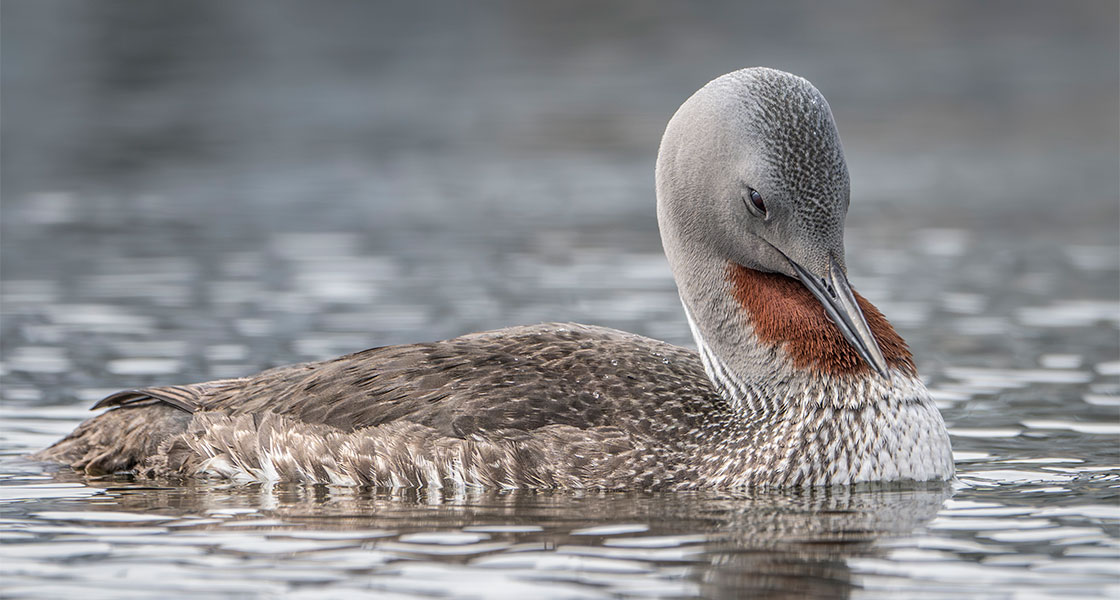
A Red-throated Loon in water.

Red-throated Loon. Photo: Linda J Scher/Audubon Photography Awards

Protect Alaska's Western Arctic

Some of the most important bird habitats on the planet are found in Alaska’s Western Arctic, which supports millions of migratory birds from six continents including Red-throated Loons, Pacific Brant, and Spectacled Eiders. Now a proposed rule puts important habitats in the Arctic at risk of oil and gas development. Take action to protect these special places today.
 

Did you receive this message from a friend? Get regular email updates from us by clicking here. →

National Audubon Society
225 Varick Street
New York, NY
(844) 428-3826 | www.audubon.org

© 2026 National Audubon Society

Update your email preferences or unsubscribe

No comments: