Friday, September 18, 2026

10 Years of Piping Plover Nesting Success 🐣

In this issue: Saving Black Terns, Clean Energy for Birds, and Act Now for Our Forests

Trouble viewing this e-mail? Try our web version.

National Audubon Society
|  Wingspan Newsletter  September 2026
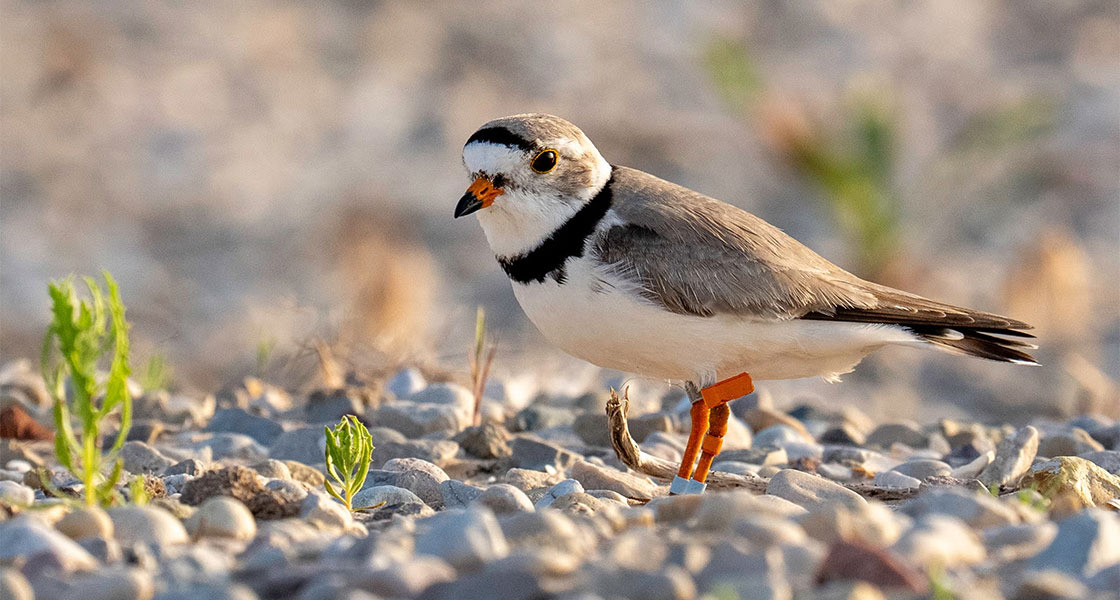
A Piping Plover stands on a rocky beach.

Obie, a Great Lakes Piping Plover known as the “King of Cat Island.” Photo: Steve Jessmore

10 Years of Successful Piping Plover Nesting in the Great Lakes

After a decade of successful nesting efforts, Piping Plover populations in the Great Lakes have climbed to the highest number recorded since the species was listed under the Endangered Species Act. Celebrate another record-breaking season for Great Lakes Piping Plovers and learn more about how you can help.
 
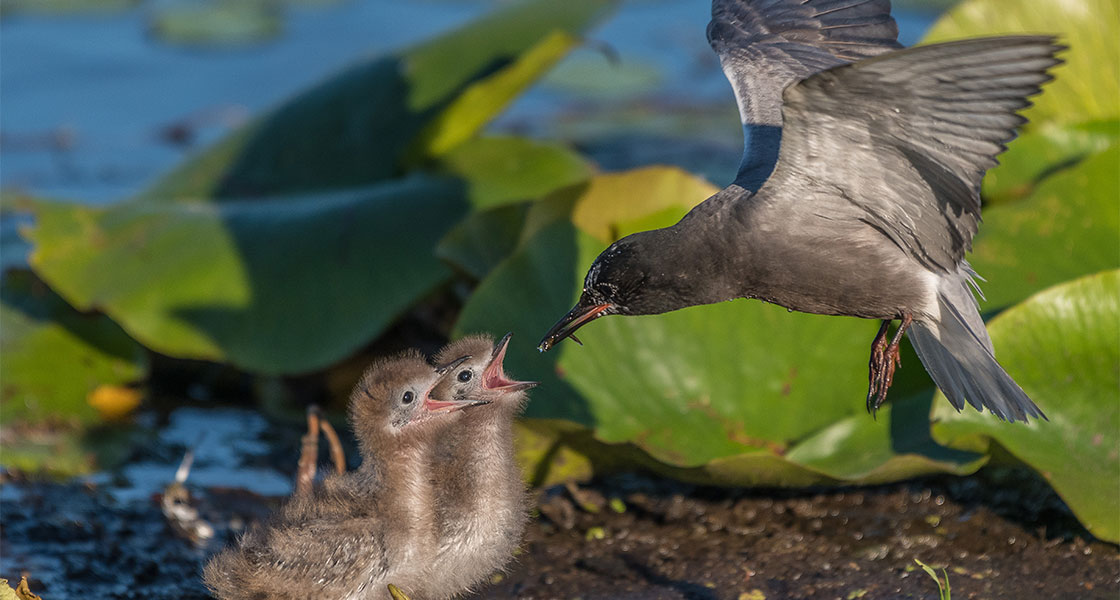
An adult Black Tern feeds two Black Tern chicks near a body of water.

Black Terns. Photo: Sabrina Dao/Audubon Photography Awards

Saving Black Terns, One Chestnut at a Time

Water chestnut, an extremely invasive aquatic species, quickly damages the wetland habitat endangered Black Terns need to rest and nest. This summer, we continued restoring habitat for Black Terns by removing water chestnuts in New York’s Montezuma Wetlands Complex. Can you guess how many pounds of water chestnut we pulled? Learn more about our restoration work for Black Terns.
 
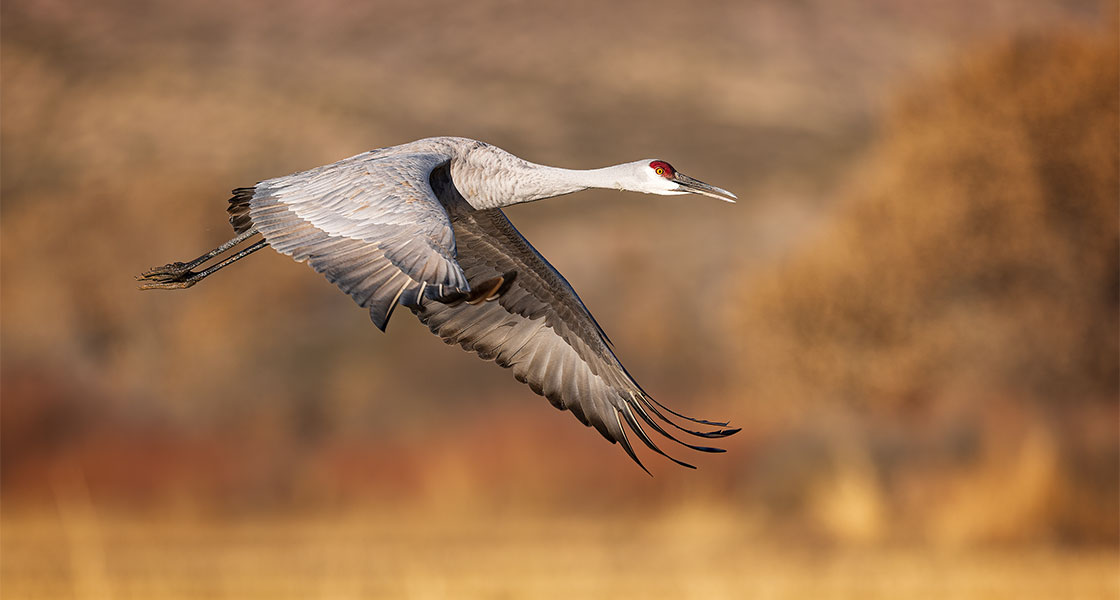
A Sandhill Crane mid-flight.

Sandhill Crane. Photo: Chuck Wood/Audubon Photography Awards

Making Clean Energy Better for Birds

Clean energy planning can prioritize bird conservation, and the SunZia Wind and Transmission project is a strong example of what that looks like. Learn how we helped make the largest renewable energy infrastructure project in U.S. history work for birds.
 
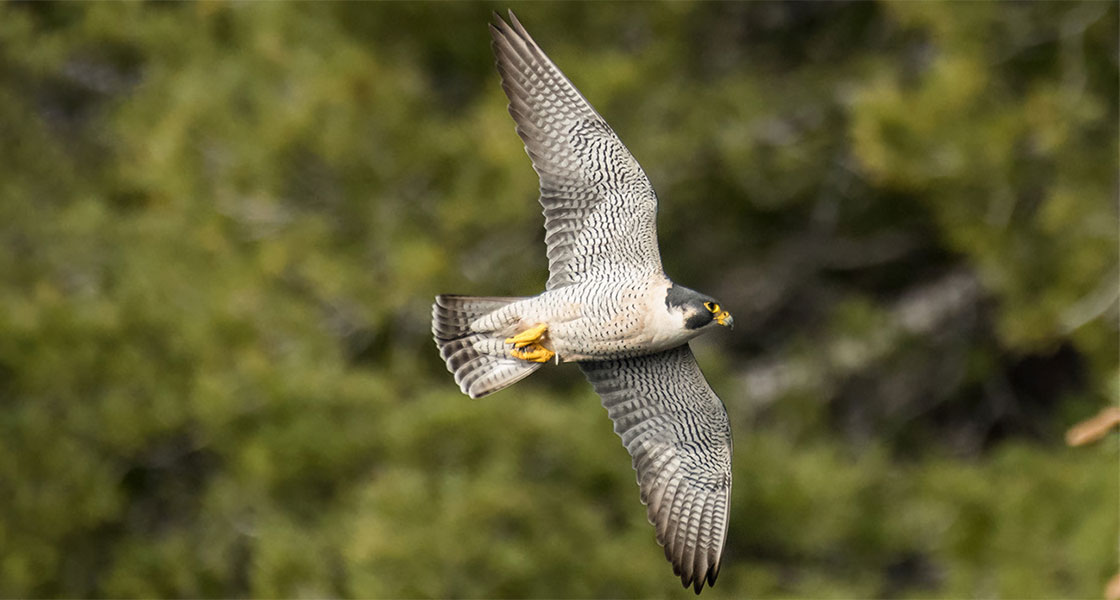
A Peregrine Falcon mid-flight.

Peregrine Falcon. Photo: Jared Manninen/iNaturalist CC-BY-NC

Take Action for America’s National Forests

For more than two decades, the Roadless Rule has protected much of our last remaining wild national forests. But the U.S. Forest Service has proposed opening 44 million acres of the nation’s most intact forests to industrial logging and most road building. Peregrine Falcons, Bald Eagles, and Cerulean Warblers are a few of the many species that benefit from protected roadless areas. Join us to urge the U.S. Forest Service to continue protecting our national forests. Add your name by October 6.
 
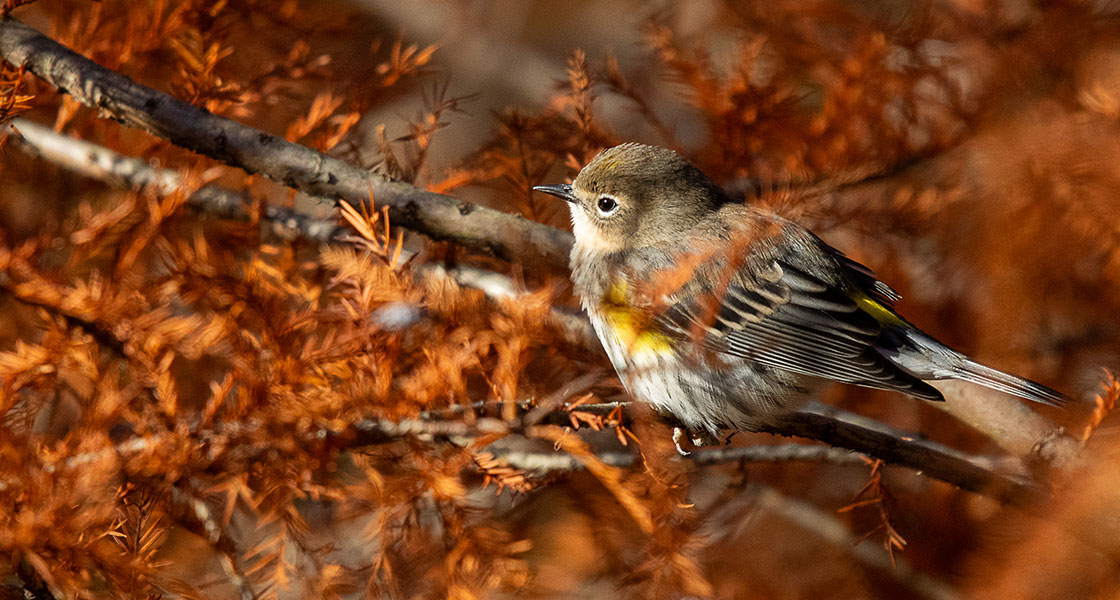
A Yellow-rumped Warbler perches on a tree branch surrounded by orange leaves.

Yellow-rumped Warbler. Photo: Hayden Young/Audubon Photography Awards

Thanks to You, Birds Are Better Off

Thanks for reading this month’s newsletter! The work in this newsletter is only possible because of the support of caring bird lovers like you. Please consider giving a gift to help give birds a brighter future. Donate now.
 

Did you receive this message from a friend? Get regular email updates from us by clicking here. →

National Audubon Society
225 Varick Street
New York, NY
(844) 428-3826 | www.audubon.org

© 2026 National Audubon Society

Update your email preferences or unsubscribe

No comments: