Friday, July 17, 2026

The Birds of Great Salt Lake Need Our Help

In this issue: Tagging Tricolored Blackbirds, Bald Eagle Nest Watch, Support Restoration of the Great Lakes

Trouble viewing this e-mail? Try our web version.

National Audubon Society
|  Wingspan Newsletter  July 2026
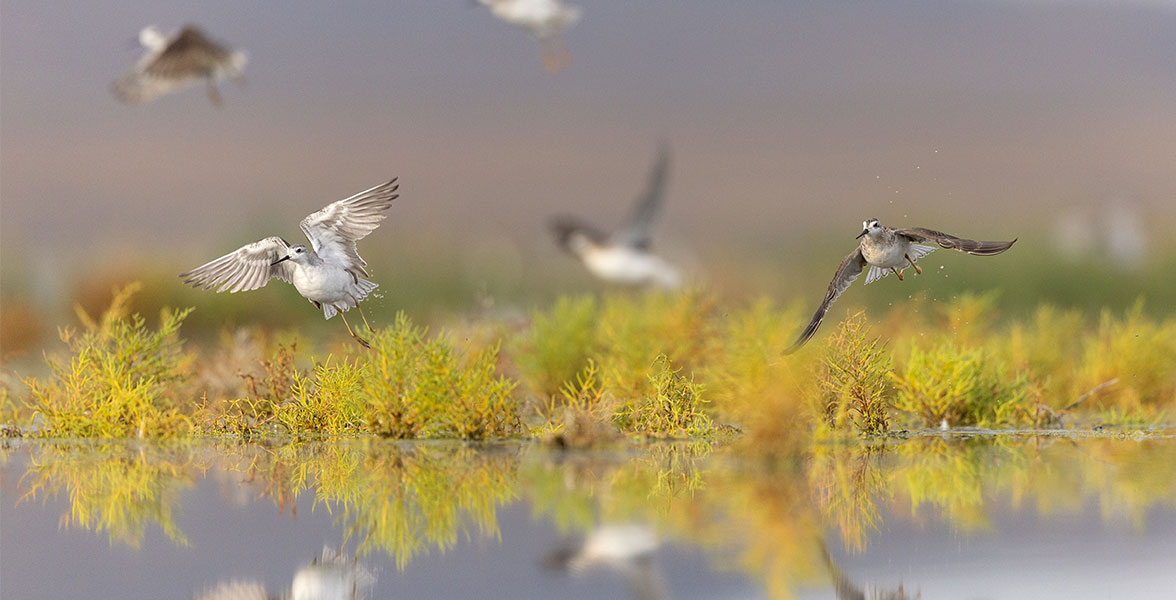
Many Wilson's Phalaropes fly over wetland.

Wilson's Phalaropes at Great Salt Lake. Photo: Mary Anne Karren

New Audubon Report Shows Road to a Resilient Great Salt Lake

Great Salt Lake is the largest saline lake in the Western Hemisphere and an irreplaceable global stopover site for millions of migratory birds, but the challenges facing the lake are vast. As the lake levels decline, the ecosystem’s food web and hydrologic connections begin to unravel. Developed by our team of scientists, with input from habitat and water experts, our new report, the Great Salt Lake Birds and Habitat Assessment, meets the urgency of this moment. Learn more about our Great Salt Lake Birds and Habitat Assessment and its findings.
 
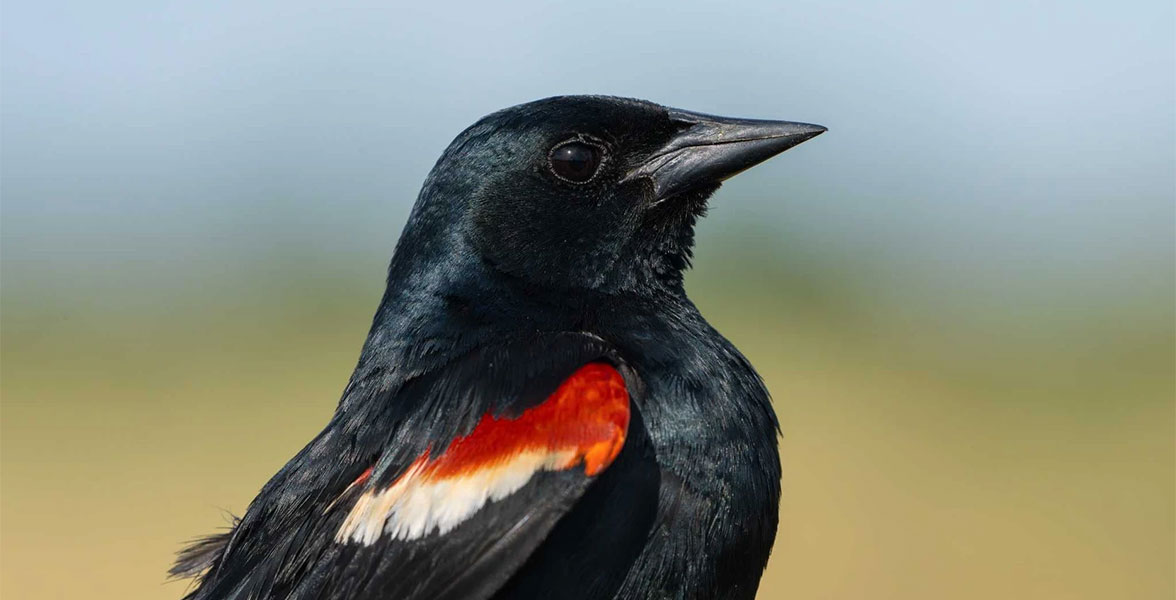
A Tricolored Blackbird's profile.

Tricolored Blackbird. Photo: Joe Medley

New Clues for Conservation, Thanks to 200 Tiny Tags

While this iconic California species is extensively studied and monitored during the breeding season, we still don’t really know where Tricolored Blackbirds go for the rest of the year. Now, thanks to Motus and tracking technology, we're getting closer to the answers we need to support the species' recovery. Read more.
 
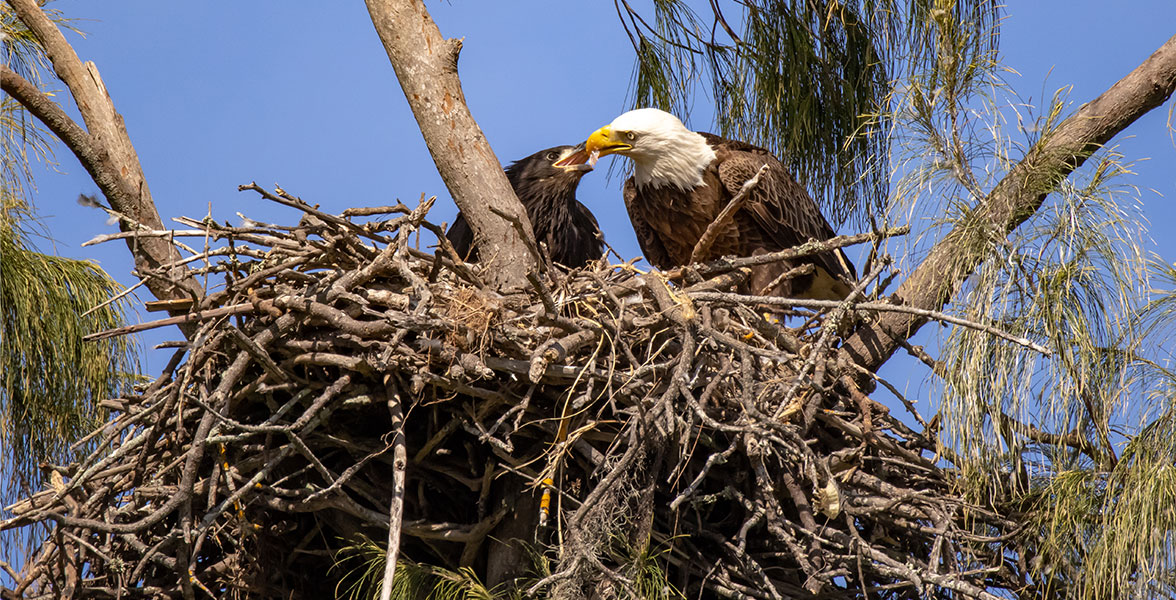
An adult Bald Eagle feeds a young Bald Eagle atop a nest.

Bald Eagles. Photo: William Carlos/Audubon Photography Awards

Our EagleWatch Protects America’s National Bird

Although the Bald Eagle has made a big comeback since being nearly brought to extinction, they still face threats like habitat and nest destruction, vehicle strikes, and territory fights. That’s why our community science program, EagleWatch, is monitoring more than 1,200 eagle nests in Florida to understand how we can protect this symbolic species. Learn more about EagleWatch.
 
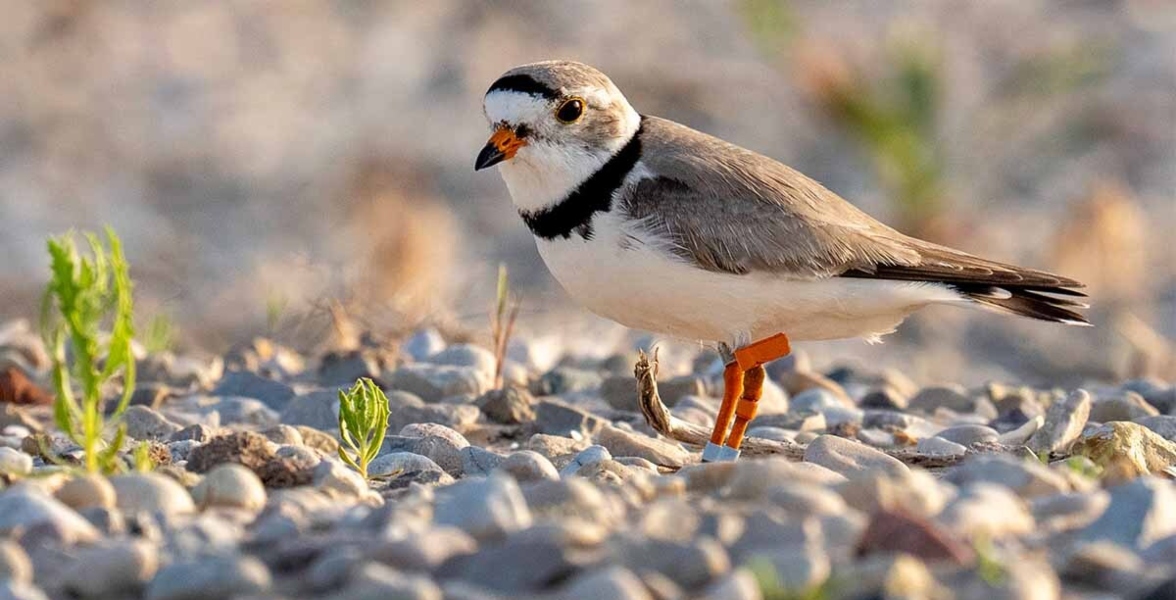
A Piping Plover stands on a rocky beach.

Piping Plover. Photo: Steven Jessmore/Audubon

Urge Congress to Support Restoration of Essential Bird Habitat

Holding 20 percent of the world’s surface fresh water, the Great Lakes and their surrounding habitat provide breeding grounds and migratory stopover for more than 350 bird species. But more than half of all the Great Lakes’ original coastal wetlands have disappeared, and many birds are at risk. Take action to protect restoration projects in the Great Lakes region that are making a difference for birds across the hemisphere.
 
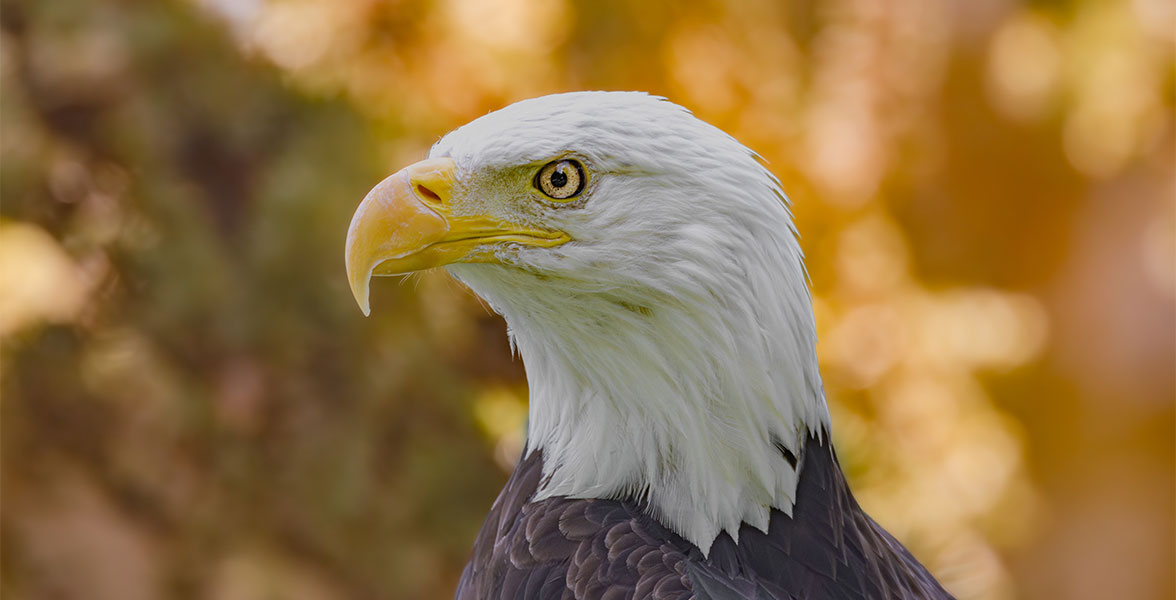
A Bald Eagle looks to the left side.

Bald Eagle. Photo: Breanna Diaz/Audubon Photography Awards

Celebrate July with a Bald Eagle Plush

Thanks to bird lovers like you, we can keep the work going to secure a healthier future for America’s birds. When you donate today, you’ll receive a Bald Eagle plush as thanks for your generosity. Donate now to adopt a Bald Eagle.
 

Did you receive this message from a friend? Get regular email updates from us by clicking here. →

National Audubon Society
225 Varick Street
New York, NY
(844) 428-3826 | www.audubon.org

© 2026 National Audubon Society

Update your email preferences or unsubscribe

No comments: