Friday, May 29, 2026

The Best Dressed Bird in Our Yearbook

In this issue: Who’s That Bird?, Native Plants Gallery, and Why Do Birds Fly in a V?

Trouble viewing this e-mail? Try our web version.

National Audubon Society
|  Joy of Birds  May 2026
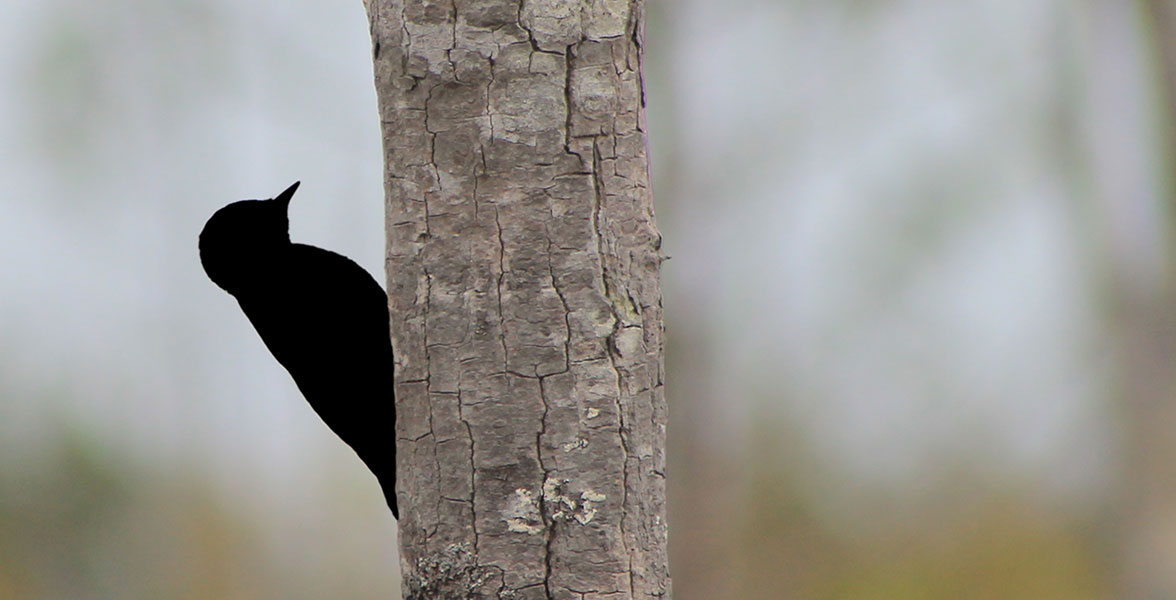
A silhouette of a woodpecker on a tree.

Photo: Melissa Rogers/Great Backyard Bird Count 

Guess the Bird Making That Sound!

For woodpeckers, drumming on trees is a form of communication, much like birdsong. Can you guess which woodpecker is drumming by sound? Hear the mystery bird’s drum pattern. ▶

Here’s a bonus hint: This woodpecker is one of the most common, often seen at feeders and in forests everywhere in the United States except for parts of the Southwest. Reveal the answer with our guide on how to identify woodpeckers by their drumming.
 
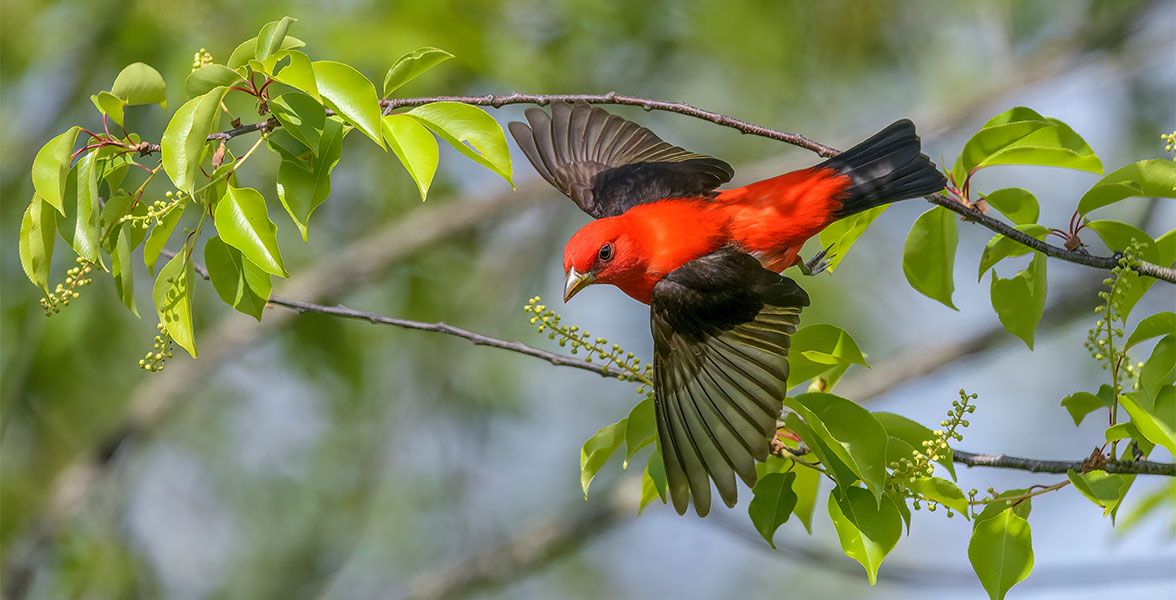
A Scarlet Tanager flies past tree branches with bright green leaves.

Scarlet Tanager. Photo: Meryl Lorenzo/Audubon Photography Awards

Superlatives for Migratory Birds, Class of 2026

Inspired by spring migration and graduation season, one Audubon magazine editor decided to give classic high school superlatives a birdy twist. Which bird won “Best Dressed” or “Class Clown?” See who took each title in our “yearbook” for 15 beloved migratory birds.

 
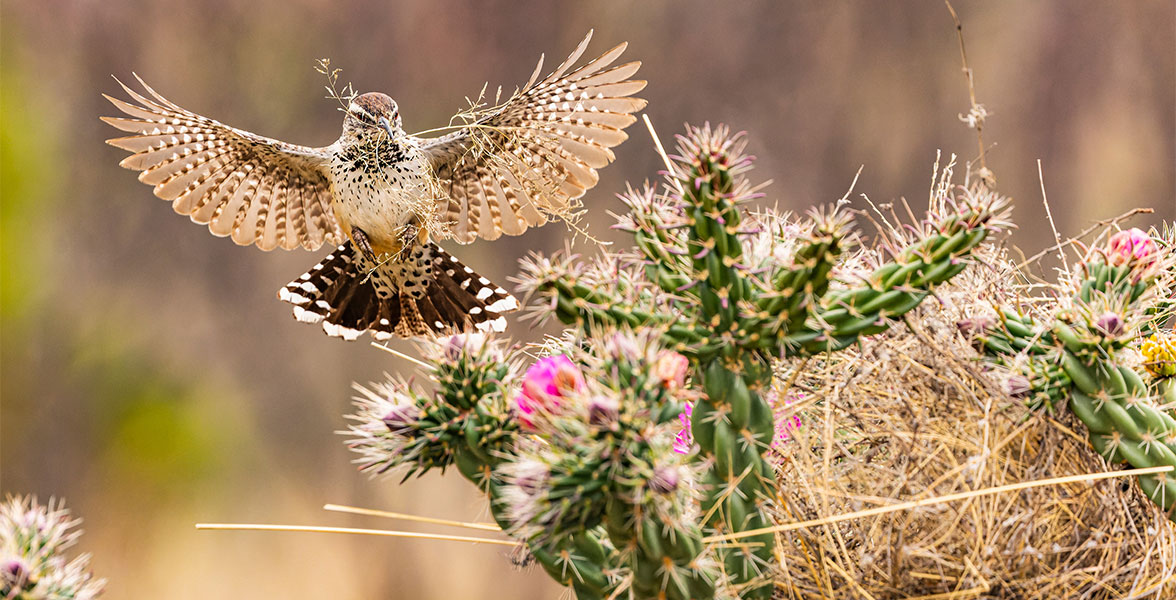
A Cactus Wren launches off from a Cholla.

Cactus Wren on Cholla. Photo: Michael Madding/Audubon Photography Awards

14 Photos of Birds Thriving with Native Plants

Not only do native plants provide more food and better shelter than non-native plants, but as threats like climate change and habitat loss continue to put pressure on birds, the availability of native trees, shrubs, and flowers grows even more important. That’s why our “Plants for Birds” category in the 2025 Audubon Photography Awards aims to highlight this special connection. Enjoy some of our favorite submissions of birds thriving with native plants.

 
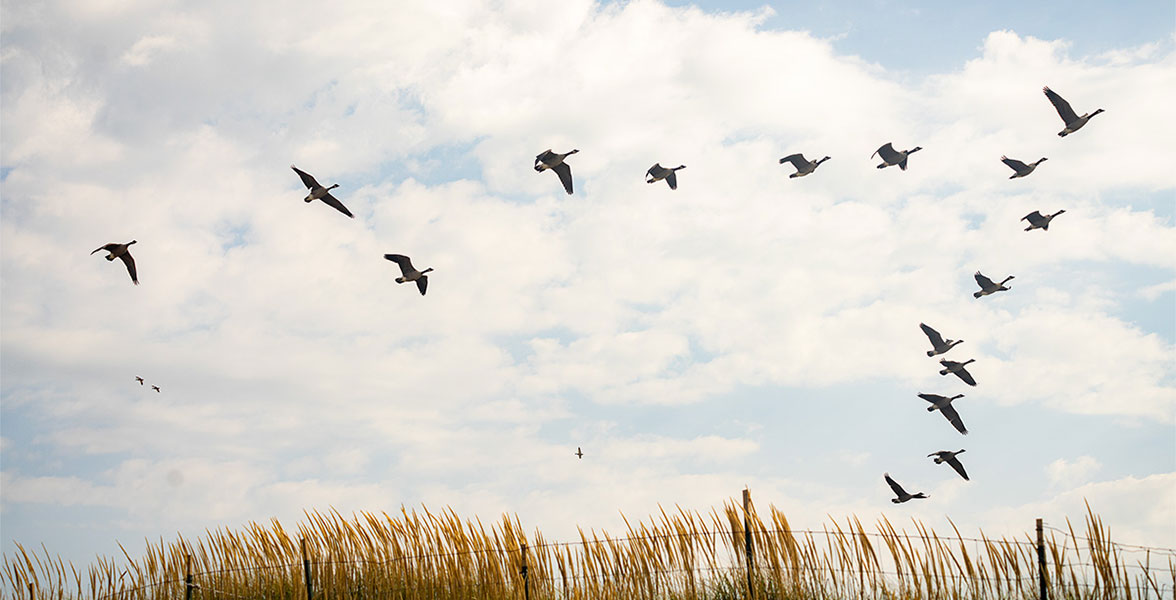
A flock Canada Geese fly in a V formation.

Canada Geese. Photo: Sydney Walsh/Audubon

Why Do Birds Fly in a V Formation?

You might have seen birds fly in V-shaped formation, but why? And how do they decide who leads?  And why do some V formations look so weird? You’ve got questions and we’ve got answers. Read on to learn the science behind how the V works.

 
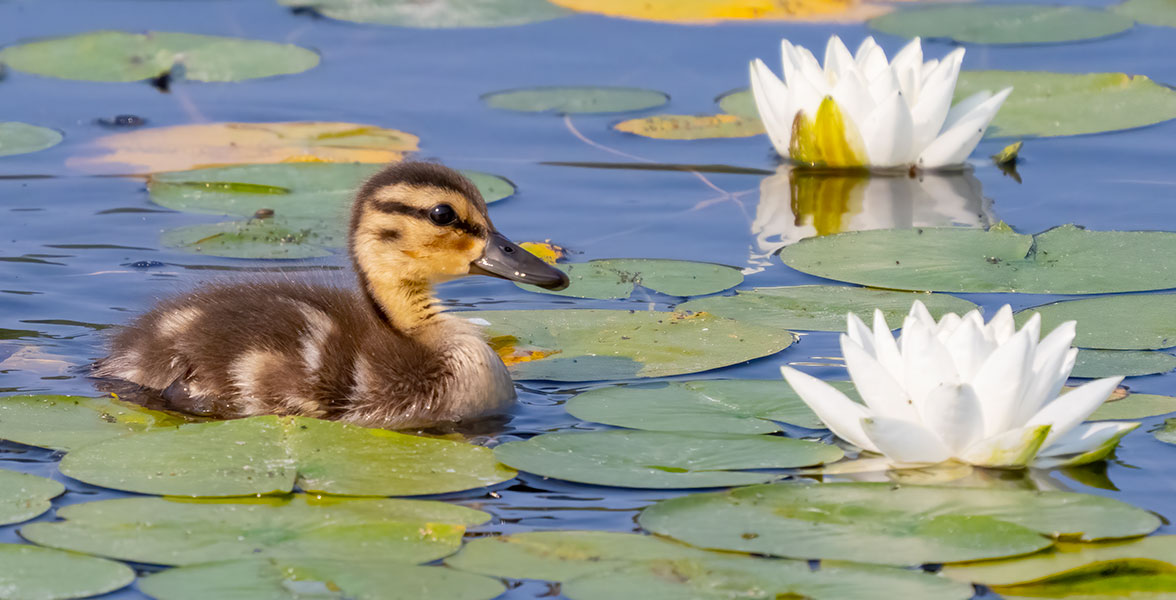
A Mallard duckling swims by lily pads and flowers.

Mallard. Photo: Mick Thompson

Our Feathered Friends Need a Boost

Thanks for reading this month’s newsletter! Because of bird lovers like you, we can protect the places birds need. Let’s bring birds back together—donate now.

 

Did you receive this message from a friend? Get regular email updates from us by clicking here. →

National Audubon Society
225 Varick Street
New York, NY
(844) 428-3826 | www.audubon.org

© National Audubon Society

Update your email preferences or unsubscribe

No comments: