Friday, August 21, 2026

Making Philadelphia More Bird-Friendly 🔔

In this issue: Protecting Lesser Prairie-Chickens, Bird-Friendly Oil Palm, and America the Beautiful Act

Trouble viewing this e-mail? Try our web version.

National Audubon Society
|  Wingspan Newsletter  August 2026
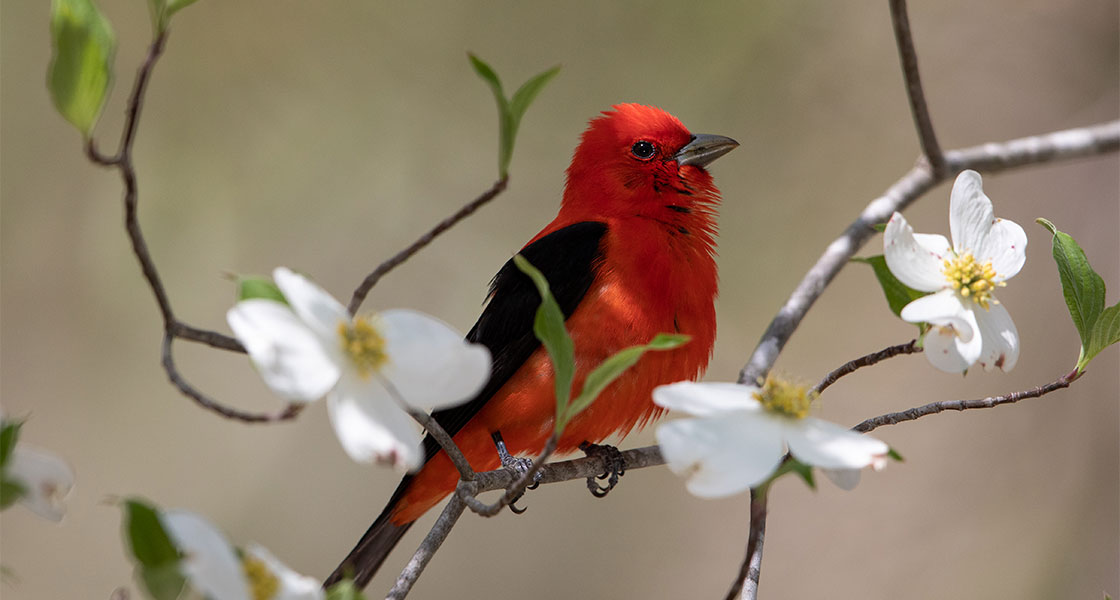
A Scarlet Tanager perches on a flowering tree branch.

Scarlet Tanager. Photo: Gary Robinette/Audubon Photography Awards

How Do You Bird-Proof a National Landmark?

As America celebrates its 250-year anniversary, the Liberty Bell in Philadelphia is hosting millions from across the country. But people aren’t the only ones visiting—over forty million birds navigate the city of Philadelphia as they fly between their breeding and wintering grounds. Bird Safe Philly found that bird collisions were occurring at all of the Independence National Historical Park’s modern buildings, which includes the Liberty Bell pavilion. See how Audubon, Bird Safe Philly, and the National Park Service retrofitted an iconic American landmark for birds.
 
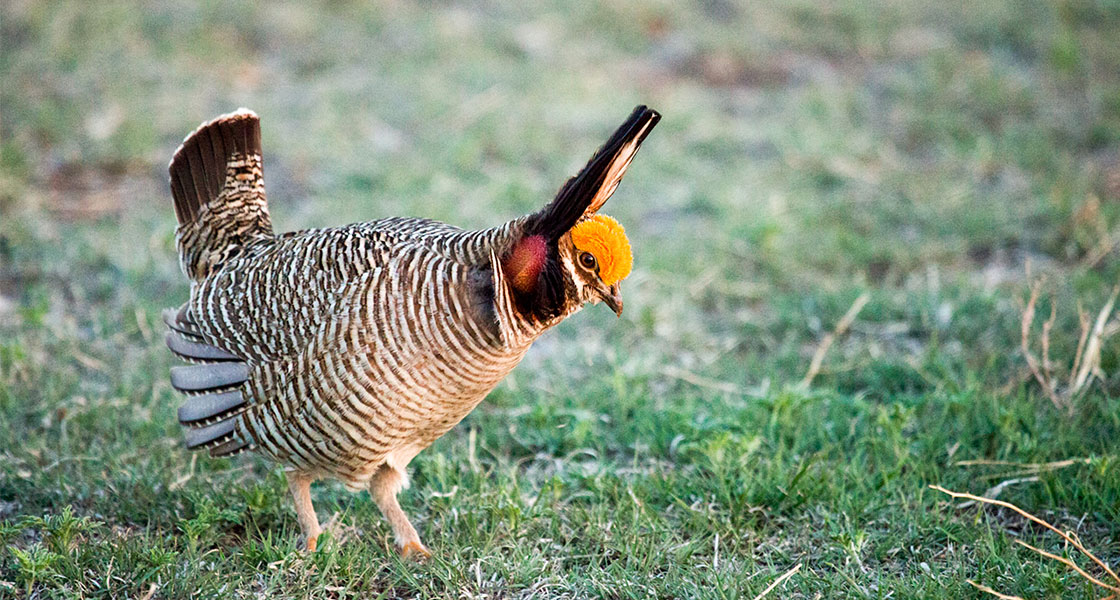
A Lesser Prairie-Chicken stands on grass.

Lesser Prairie-Chicken. Photo: Brittany Meagher/Audubon Photography Awards

Lining Up a Brighter Future for Lesser Prairie-Chickens

We can’t reverse the decline of birds across the Americas without renewable energy and a modernized and expanded electrical grid. That’s why we worked with NextEra Transmission to protect habitat during the planning of a new transmission line to make sure it’s responsibly planned and operated. Learn more about our work in New Mexico to build renewable energy infrastructure and improve habitat for birds like the Lesser Prairie-Chicken.
 
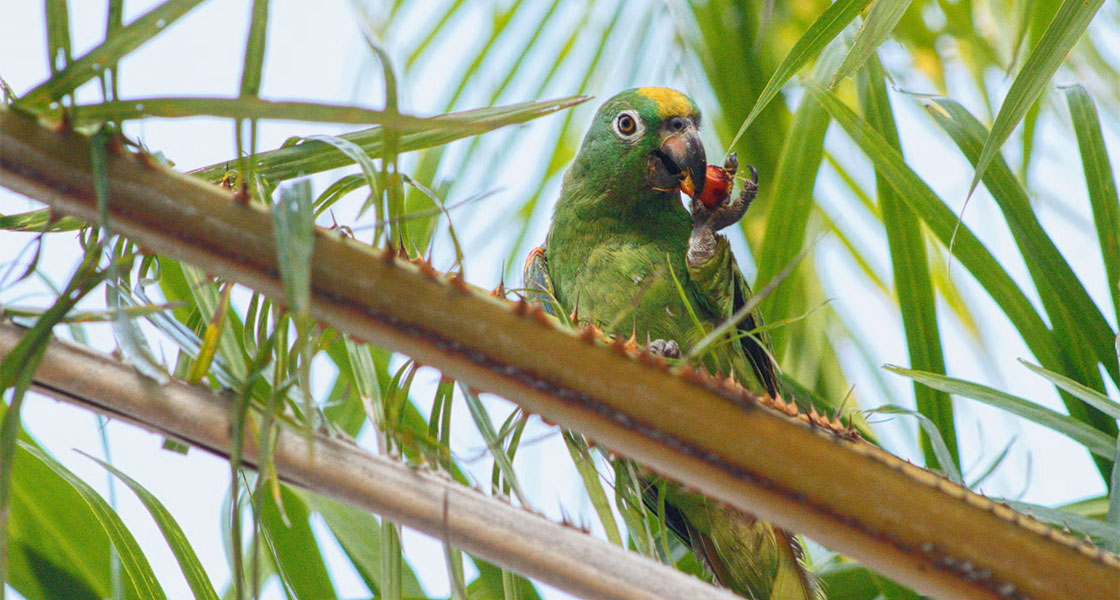
A bird perched on a spiky branch pecks at a nut using their beak and claws.

In oil palm landscapes, birds are both indicators of healthy ecosystems and allies in advancing more sustainable and biodiversity-friendly production systems. Photo: Mónica Muñoz, Fedepalma

745 Bird Species Call Colombia's Palm Farms Home

Nearly 1.5 million acres of oil palm plantations overlap with some of the country's richest bird habitat. A new field manual from Audubon and Fedepalma, Colombia's palm growers' federation, shows what's living there—and how growers can turn that overlap into an advantage. Keep reading to see how palm production and bird conservation go hand in hand.
 
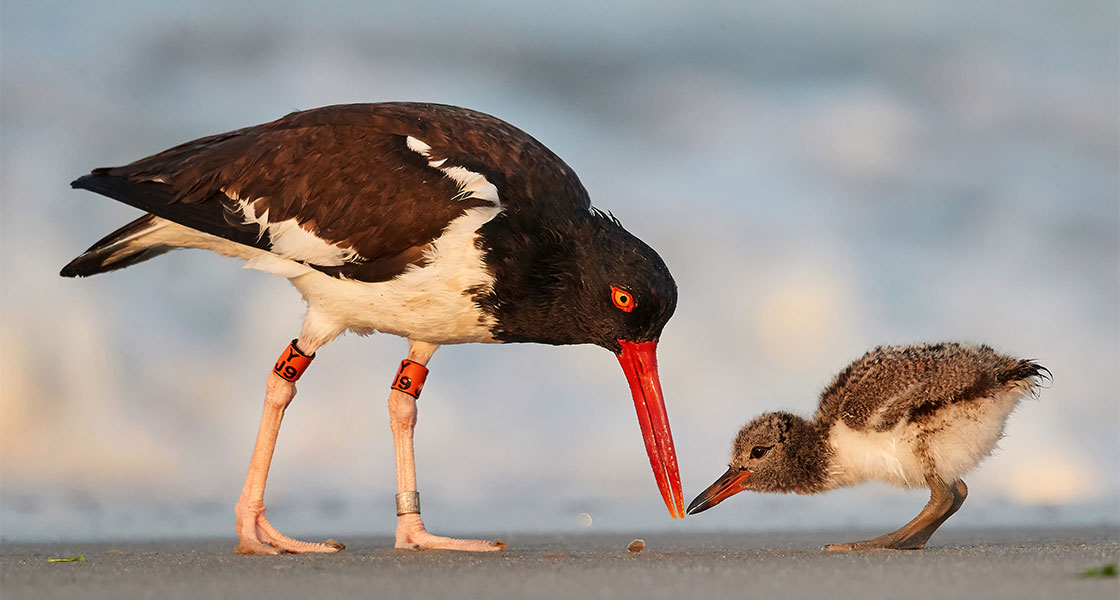
An American Oystercatcher adult and chick on the beach. Ocean waves crash in the background.

American Oystercatchers. Photo: Lesley Mattuchio/Audubon Photography Awards

Our Work, Powered By Your Generosity

Success stories like these are possible thanks to generous gifts from caring people like you. Together, we can protect vulnerable birds and their habitats using our century of expertise and proven combination of rigorous research, committed advocacy, and hands-on conservation. Donate now.
 
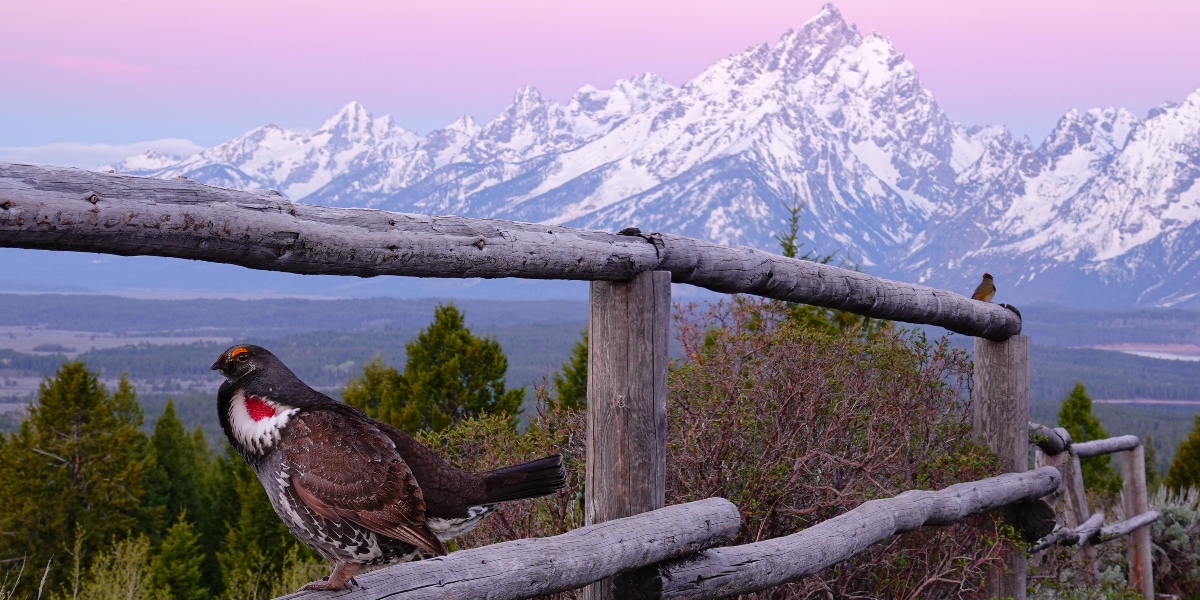
A Dusky Grouse perched on a fence post with the Grand Teton mountains in the background.

Dusky Grouse. Photo: Charlie Sandbo/Audubon Photography Awards

Take Action for America’s Public Lands

The America the Beautiful Act invests in urgent maintenance projects that can benefit habitat in our national parks, monuments, forests, and wildlife refuges. Besides providing habitat, healthy public lands benefit both birds and people by providing clean water, public access to nature, recreation opportunities, and jobs. Ask your members of Congress to support the America the Beautiful Act to restore our public lands.
 

Did you receive this message from a friend? Get regular email updates from us by clicking here. →

National Audubon Society
225 Varick Street
New York, NY
(844) 428-3826 | www.audubon.org

© 2026 National Audubon Society

Update your email preferences or unsubscribe

No comments: