Surprise Nests, Heron Necks 101, and Who's That Bird?
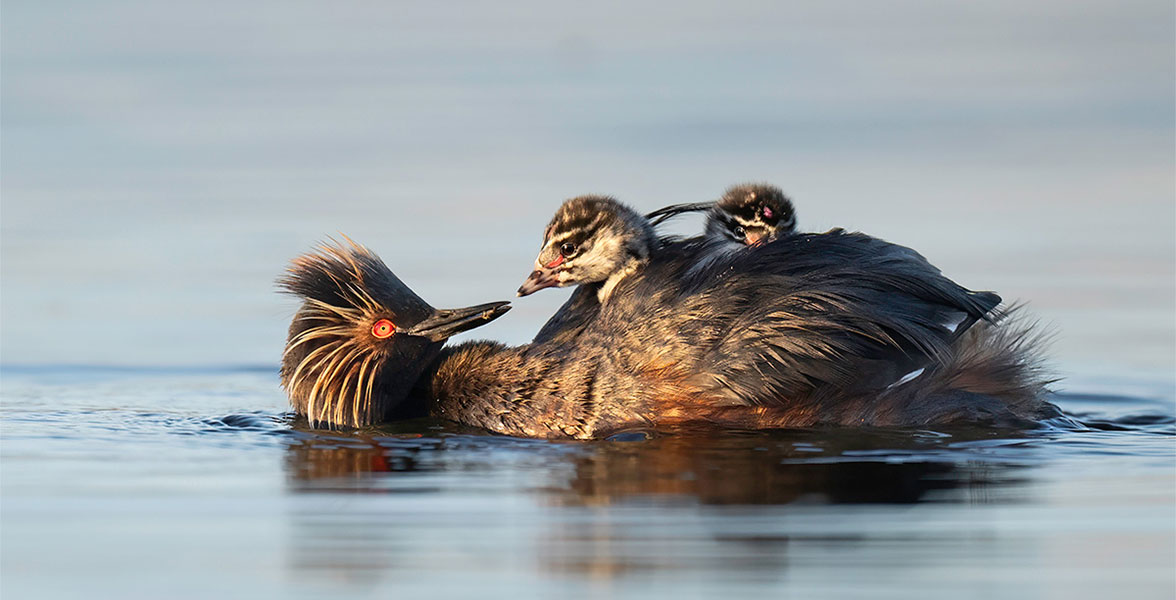
| It's spring, which means it's baby bird season! From fluffball owls to gangly pelicans, these photos from the 2024 Audubon Photography Awards showcase bird diversity and how young birds and their parents adapt, survive, and thrive in a changing world. Take some time to enjoy our favorite baby bird photos. | | | | |
| Eared Grebes. Photo: Karen Bilgrai Cohen/Audubon Photography Awards | | | | |
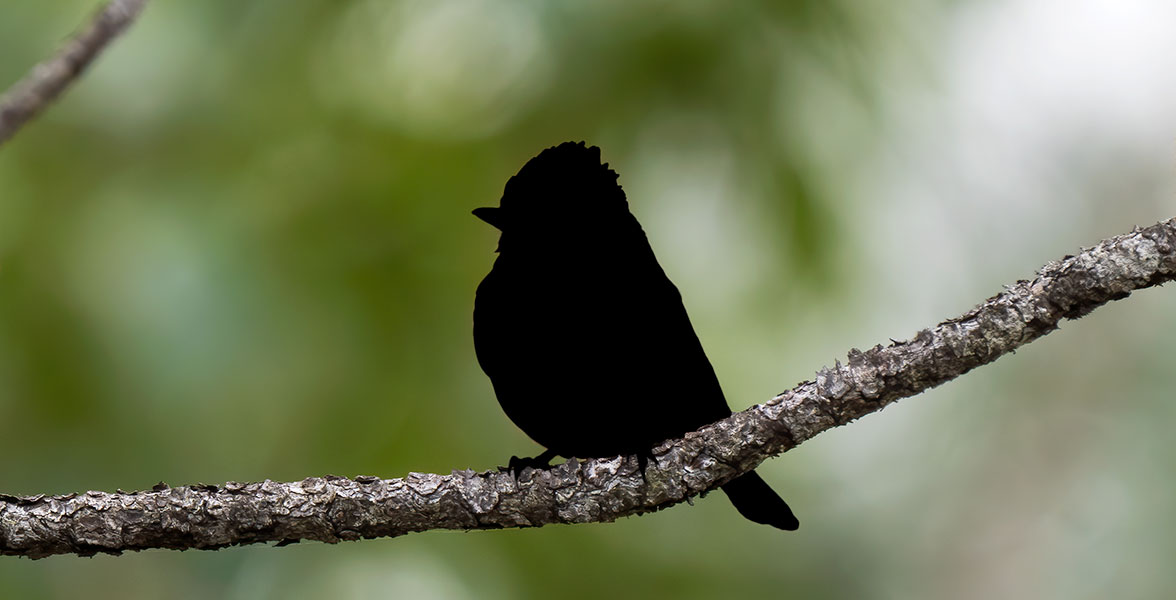
Put your birding cap on—it's time for another round of "Who's That Bird?" Using the silhouetted image above and the three hints below, can you name this bird? - Clue #1: This bird likes to perch in open areas near water, like an oasis in the desert or urban parks.
- Clue #2: This bird is a talented aerialist, known for snagging insects mid-air.
- Clue #3: This species' male birds are known for their bright-red plumage.
Here's a bonus hint: this bird's four-letter banding code, which researchers often use as shorthand for species' names, is "VEFL." Click here to learn more about this bird and reveal the answer. | | | | |
| Photo: Daniel Arndt/Flickr CC BY-NC-SA 2.0 | | | | |
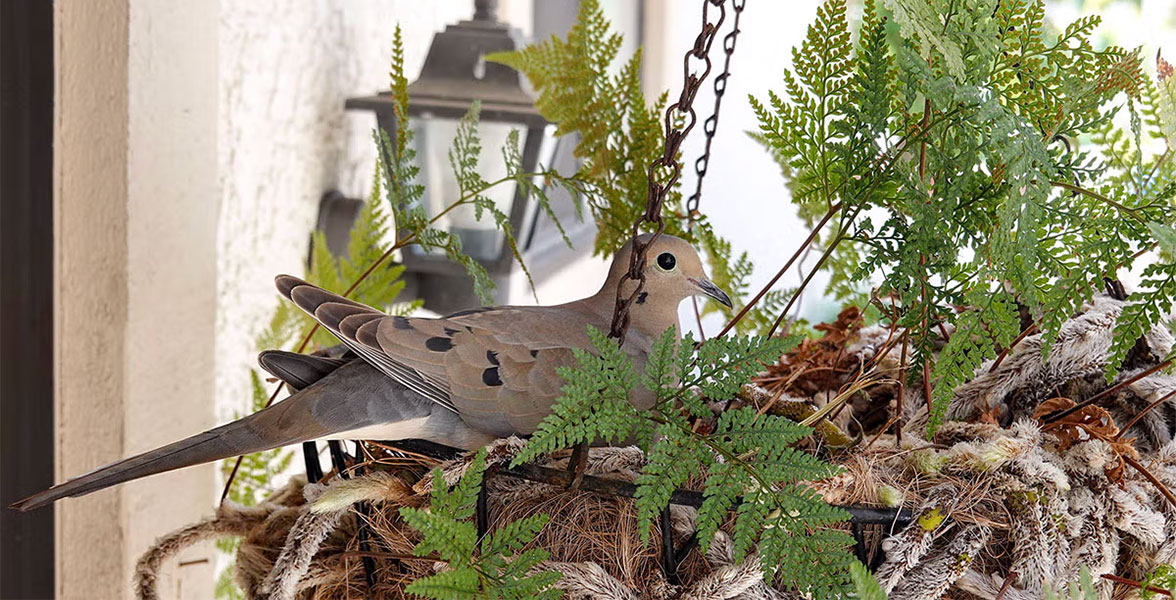
| Mourning Dove. Photo: Duncan Selby/Alamy | | | | |
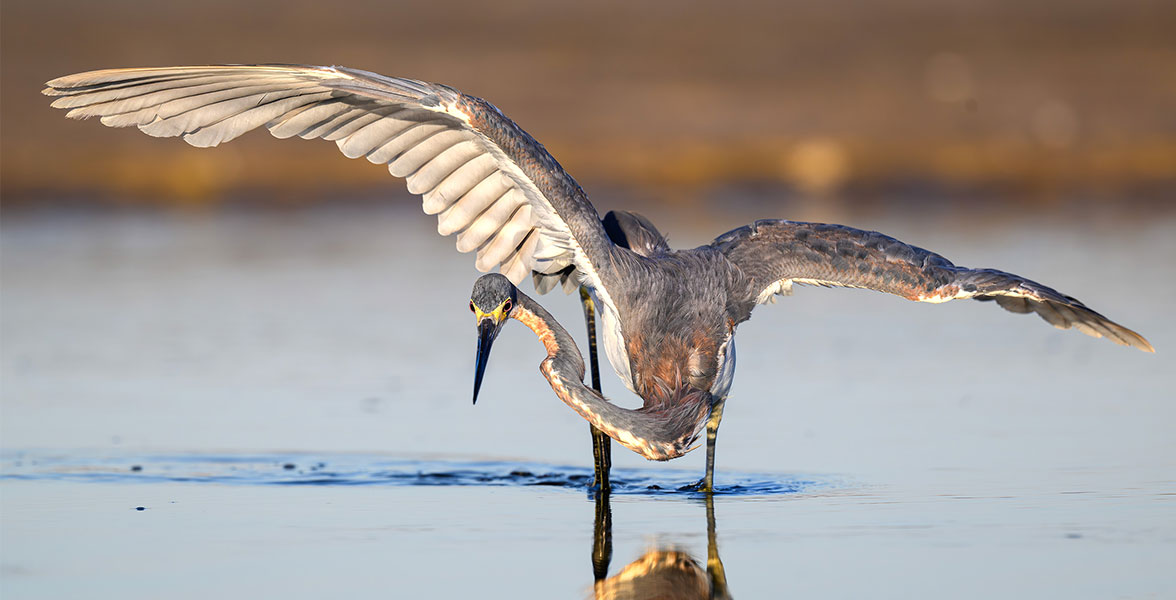
| From their stilt-like legs to their wildly long necks and prehistoric vibes, herons have some truly fascinating anatomy. If you've ever wondered why a heron's neck appears to be contorting, scrunching, or tilting, keep reading for answers to your heron neck questions. | | | | |
| Tricolored Heron. Photo: Gamze Quick/Audubon Photography Awards | | | | |
| We hope you enjoyed this month's newsletter! Please consider giving some joy back to birds with a gift today. Together, we can protect vulnerable birds and their habitats for years to come. Donate today | | | | |
| Orchard Oriole. Photo: Hazel Erikson/Audubon Photography Awards | | | | |








No comments:
Post a Comment