Saturday, November 21, 2026

Our Science Helps Birds Around the Globe

In this issue: Growing Fire Resilience, Bird-Friendly Power Lines, and Help Protect 7.6 Million Acres of Habitat

Trouble viewing this e-mail? Try our web version.

From December 14 to January 5, join the longest-running bird count in the world: Audubon's Christmas Bird Count! Watch this video to learn how you can participate.
National Audubon Society
|  Wingspan Newsletter  November 2026
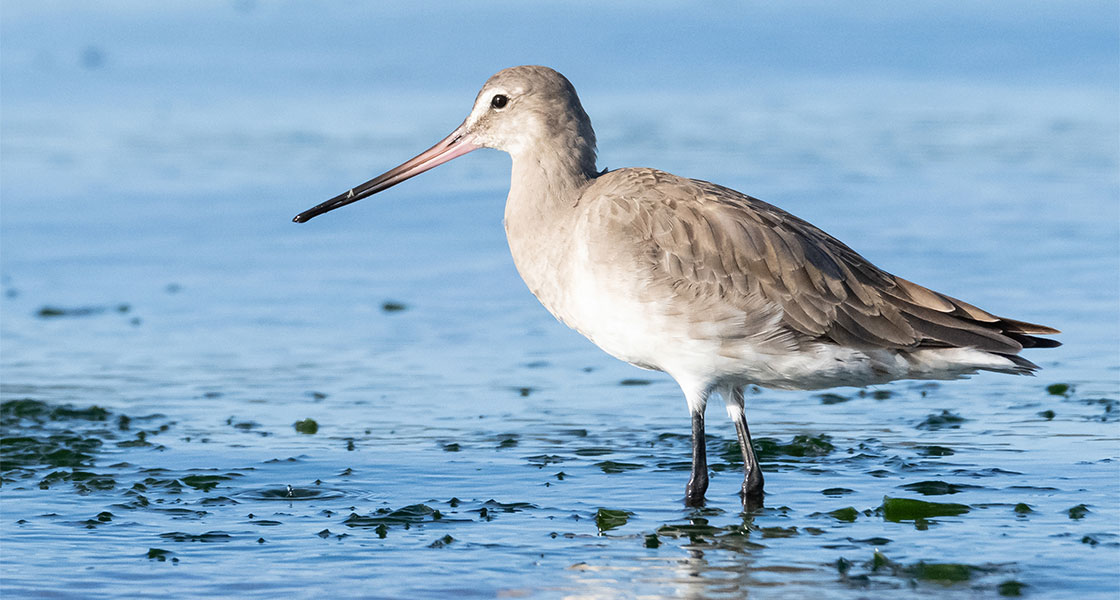
A Hudsonian Godwit wades through water.

Hudsonian Godwit. Photo: Gonzalo Vera/Audubon Photography Awards

How Our Science Informs a New Global Effort to Protect Migratory Birds

For birds that migrate across continents, a loss in one place often traces back to challenges thousands of miles away, especially for species that travel herculean distances like the Hudsonian Godwit. It takes a hemisphere to protect birds. That’s why, using the best available science, we’re working with our partners to keep birds safe along their entire migratory routes. Learn how our science can power the future of hemispheric conservation.
 
A California Thrasher's silhouette over a setting sun.

California Thrasher. Photo: Leonard Hantz/Audubon Photography Awards

Seeding the Ground for Safer Fire Seasons

This year, many living in and around the hillsides near the Audubon Center at Debs Park are navigating new wildfire regulations designed to help communities prepare for future fire seasons. Fire is both a natural part of ecosystems and a growing challenge for communities in California, but what can we do now to prepare? Discover the surprising key to growing fire-resilient communities.
 
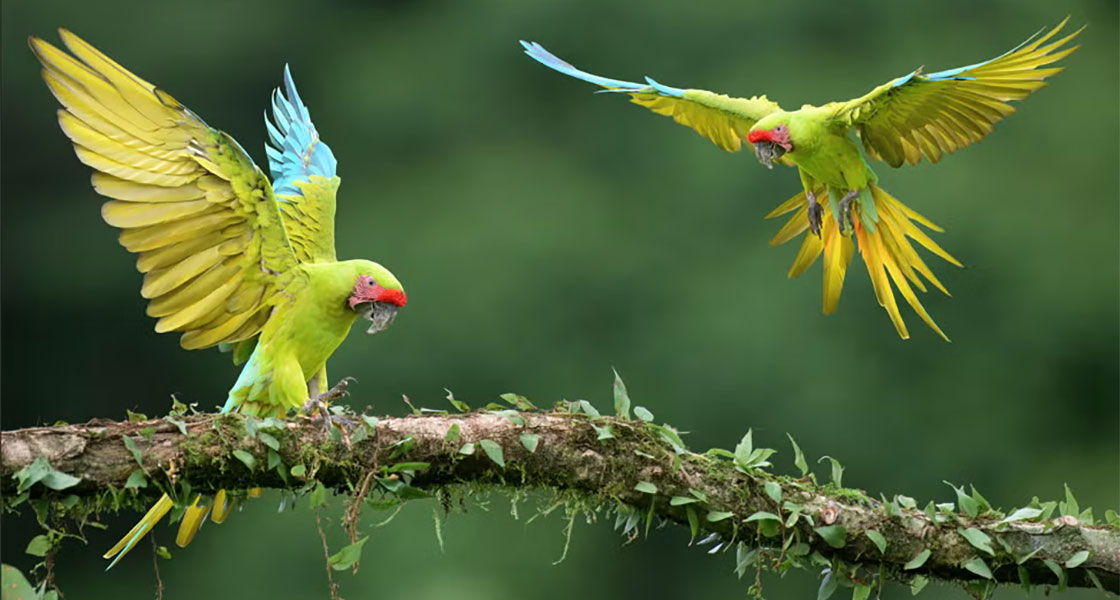
A Great Green Macaw lands on a tree branch. Another Great Green Macaw makes a landing next to them.

Great Green Macaws. Photo: Shutterstock

Building a Bird-Friendly Grid in Ecuador

Ecuador’s Lago de Chongón–Posorja Transmission Line is poised to deliver hydroelectric power to the communities and industries that need it. But it isn’t just for people—it’s for birds, too. All 382 species, to be exact. Learn how Audubon and our partners are helping protect critical habitat while advancing reliable, biodiversity-conscious energy infrastructure.
 
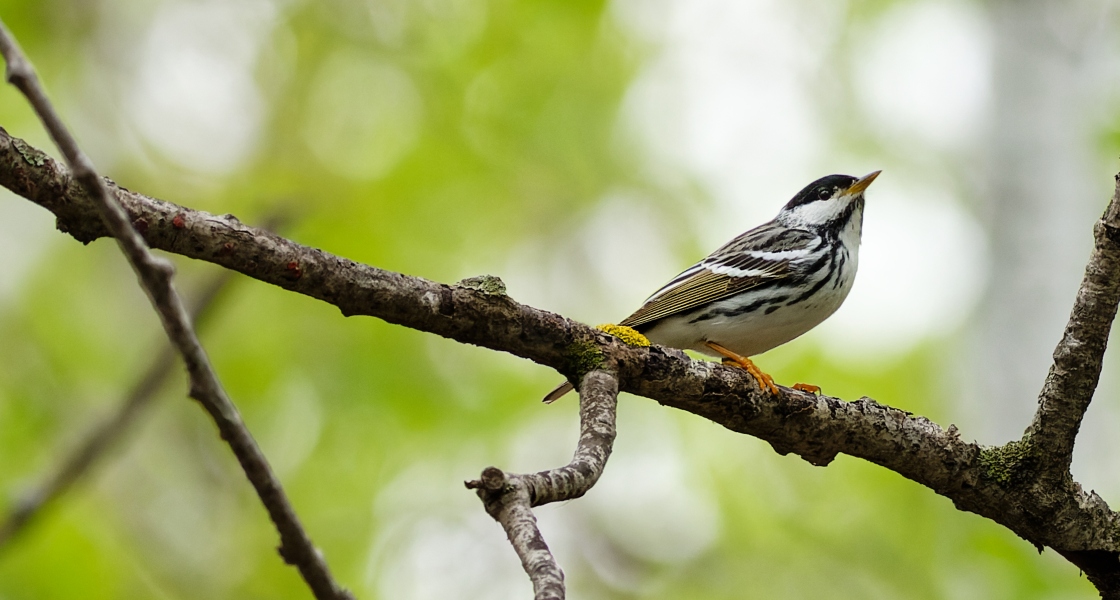
A Blackpoll Warbler perches on a tree branch, looking upwards.

Blackpoll Warbler. Photo: Kevin Sim/Audubon Photography Awards

Help Protect 7.6 Million Acres of Bird Habitat

In British Columbia, Canada, the Kaska Nation is working to protect an area called Dene K'éh Kusān, an awe-inspiring 7.6-million-acre wilderness. Its ancient forests and rivers are essential habitat for hundreds of species of migratory birds including long-distance travelers like the Blackpoll Warbler, Lesser Yellowlegs, and Common Nighthawk, as well as grizzly bears, caribou, and other at-risk species. Add your name and join people from around the world to support keeping Dene K’éh Kusān’s wilderness intact.
 
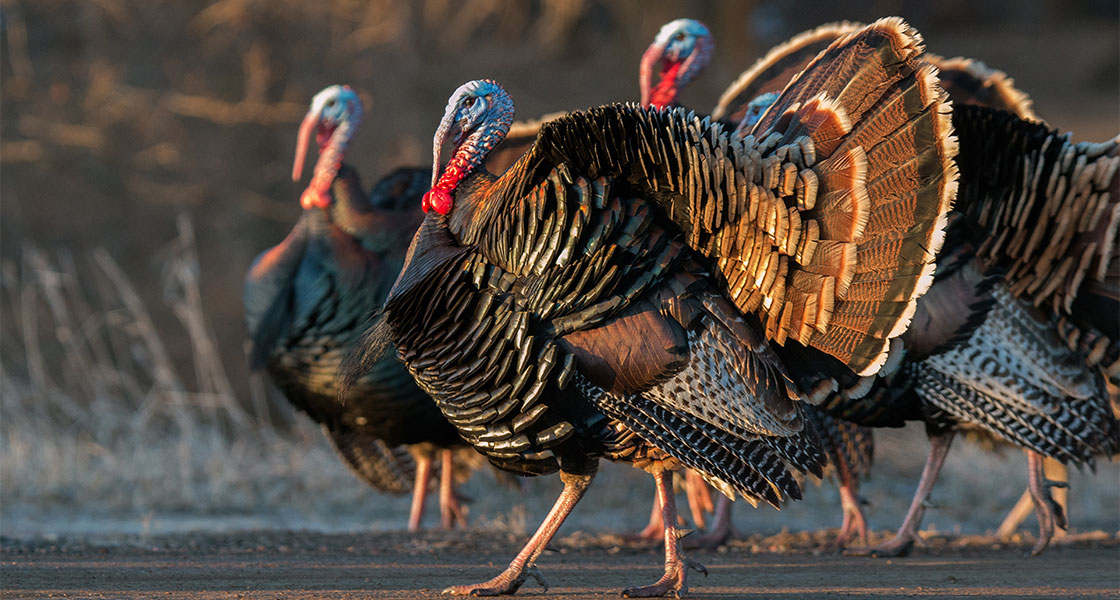
A group of Wild Turkeys walk on a street.

Wild Turkeys. Photo: October Greenfield/Audubon Photography Awards

We’re So Thankful for Your Support

With more than 120 years of expertise under our wing—and generous supporters like you at our side—we know what it takes to protect beloved species like the Wild Turkey. Join us in protecting birds with a gift.

 

Did you receive this message from a friend? Get regular email updates from us by clicking here. →

National Audubon Society
225 Varick Street
New York, NY
(844) 428-3826 | www.audubon.org

© 2026 National Audubon Society

Update your email preferences or unsubscribe

No comments: