Friday, March 20, 2026

Can This Bill Help America's Declining Birds?

In this issue: Farm Bill for Birds, Worldwide Seabird Restoration, Helping Roseate Terns

Trouble viewing this e-mail? Try our web version.

National Audubon Society
|  Wingspan Newsletter  March 2026
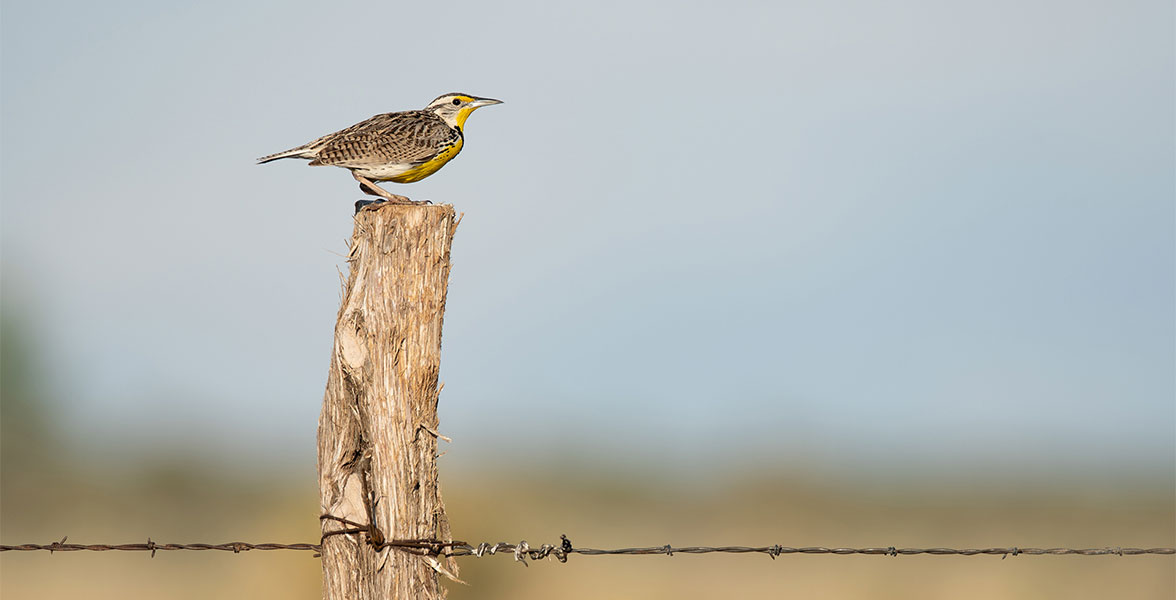
A Western Meadowlark perches on a wired fence post.

This Bill Can Help Keep America's Birds from Declining

Birds are suffering rapid population declines across the United States. Now more than ever, we need investments like the Farm Bill to address habitat loss and help birds recover. As the Farm Bill moves through Congress, our Chief Conservation Officer, Marshall Johnson, explains how strengthening the bill's key provisions can benefit birds while supporting working lands and rural economies. Keep reading.
divider line

Western Meadowlark. Photo: Evan Barrientos/Audubon

 
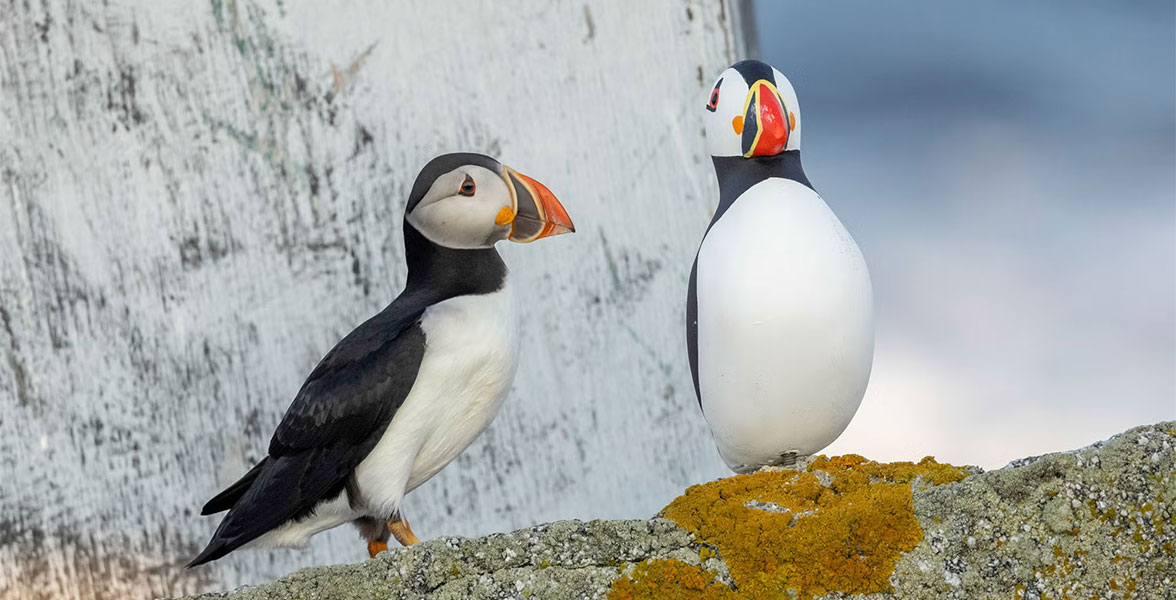
An Atlantic Puffin stands next to a decoy.

Our Seabird Institute Helps Seabirds Around the Globe

Over the last 53 years, our Seabird Institute in Maine has pioneered ways to reverse seabird population declines. With the institute's Herz Fellowship, we're bringing this conservation know-how global. To date, the Seabird Institute's restoration techniques have benefited about a third of seabird species worldwide! By taking this knowledge back to their home countries, see how this past year's Herz Fellows plan to support seabird conservation in coastal Ecuador, Chilean Patagonia, and northeastern Brazil.

divider line

An Atlantic Puffin stands next to a decoy on Eastern Egg Rock. Photo: Jean Hall

 
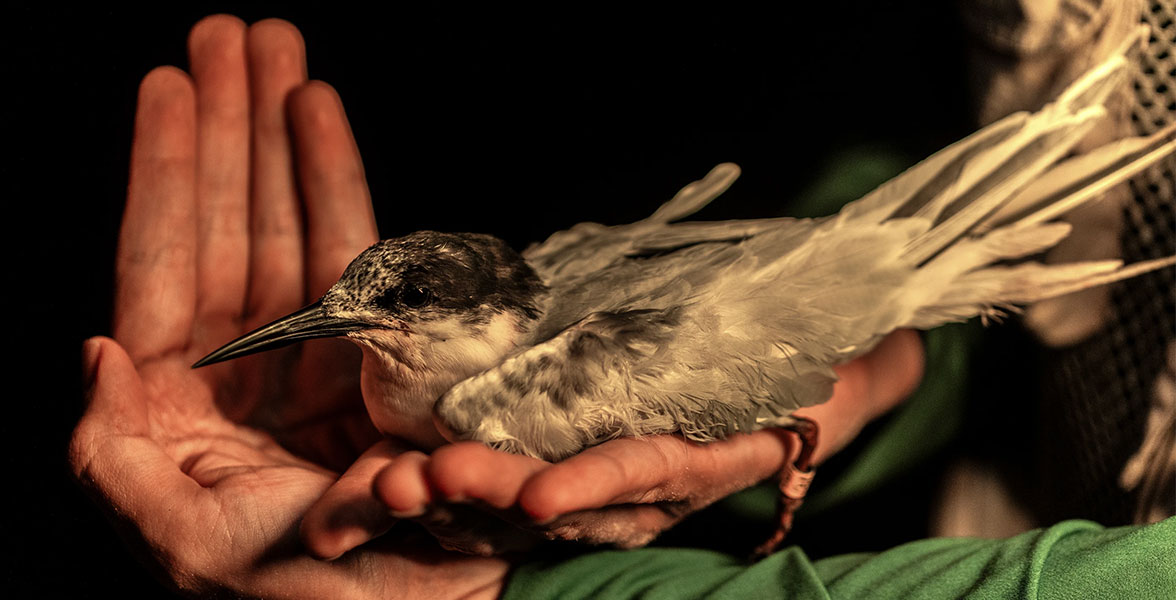
A banded Roseate Tern sits on a person's hand.

Safer Passage for Roseate Terns, From Maine to Brazil

Elegant and imperiled, Roseate Terns have long found a haven in Galinhos, Brazil, but offshore wind development poses a growing risk. That's why scientists, including researchers and fellows from our Seabird Institute, are hoping to get a more detailed picture of the paths the birds take—and where intervention might be warranted. From the northeastern United States to Brazil, see this team's findings and how it will help imperiled Roseate Terns.

divider line

Rafael Revoredo prepares to release a tagged Roseate Tern. Photo: Dado Galdieri

 
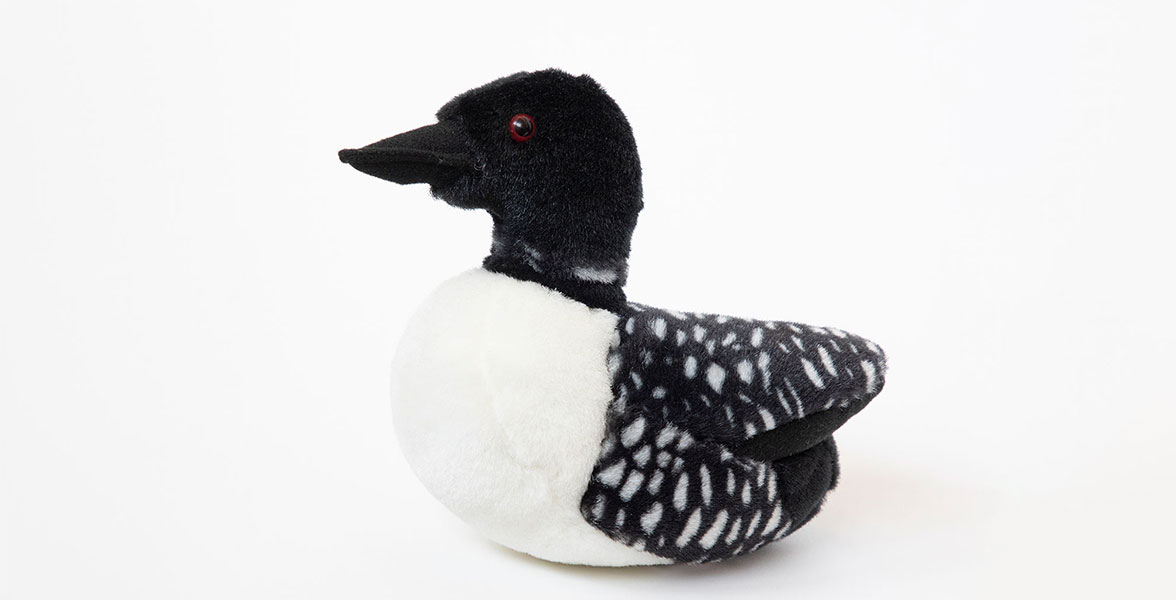
Common Loon plush.

Get a Common Loon Plush for World Water Day

Loons are considered a symbol of the wilderness, but as protections of waterways get stripped away, their vital habitats become imperiled. Donate now ahead of World Water Day (March 22) to help us advocate for the places birds like the Common Loon need and receive a lifelike plush as thanks. Donate now.

divider line

Common Loon plush. Photo: Luke Franke/Audubon


Did you receive this message from a friend? Get regular email updates from us by clicking here. →

National Audubon Society
225 Varick Street
New York, NY 10014 USA
(844) 428-3826 | www.audubon.org

© 2026 National Audubon Society

Update your email preferences or unsubscribe

No comments: