Celebrating lasting safeguards and the communities who made them possible
͏ ͏ ͏ ͏ ͏ ͏ ͏ ͏ ͏ ͏ ͏ ͏ ͏ ͏ ͏ ͏ ͏ ͏ ͏ ͏ ͏ ͏ ͏ ͏ ͏ ͏ ͏ ͏ ͏ ͏ ͏ ͏ ͏ ͏ ͏ ͏ ͏ ͏ ͏ ͏ ͏ ͏ ͏ ͏ ͏ ͏ ͏ ͏ ͏ ͏ ͏ ͏ ͏ ͏ ͏ ͏ ͏ ͏ ͏ ͏ ͏ ͏ ͏ ͏ ͏ ͏ ͏ ͏ ͏ ͏ ͏ ͏ ͏ ͏ ͏ ͏ ͏ ͏ ͏ ͏ ͏ ͏ ͏ ͏ ͏ ͏ ͏ ͏ ͏ ͏ ͏ ͏ ͏ ͏ ͏ ͏ ͏ ͏ ͏ ͏ ͏ ͏ ͏ ͏ ͏ ͏ ͏ ͏ ͏ ͏ ͏
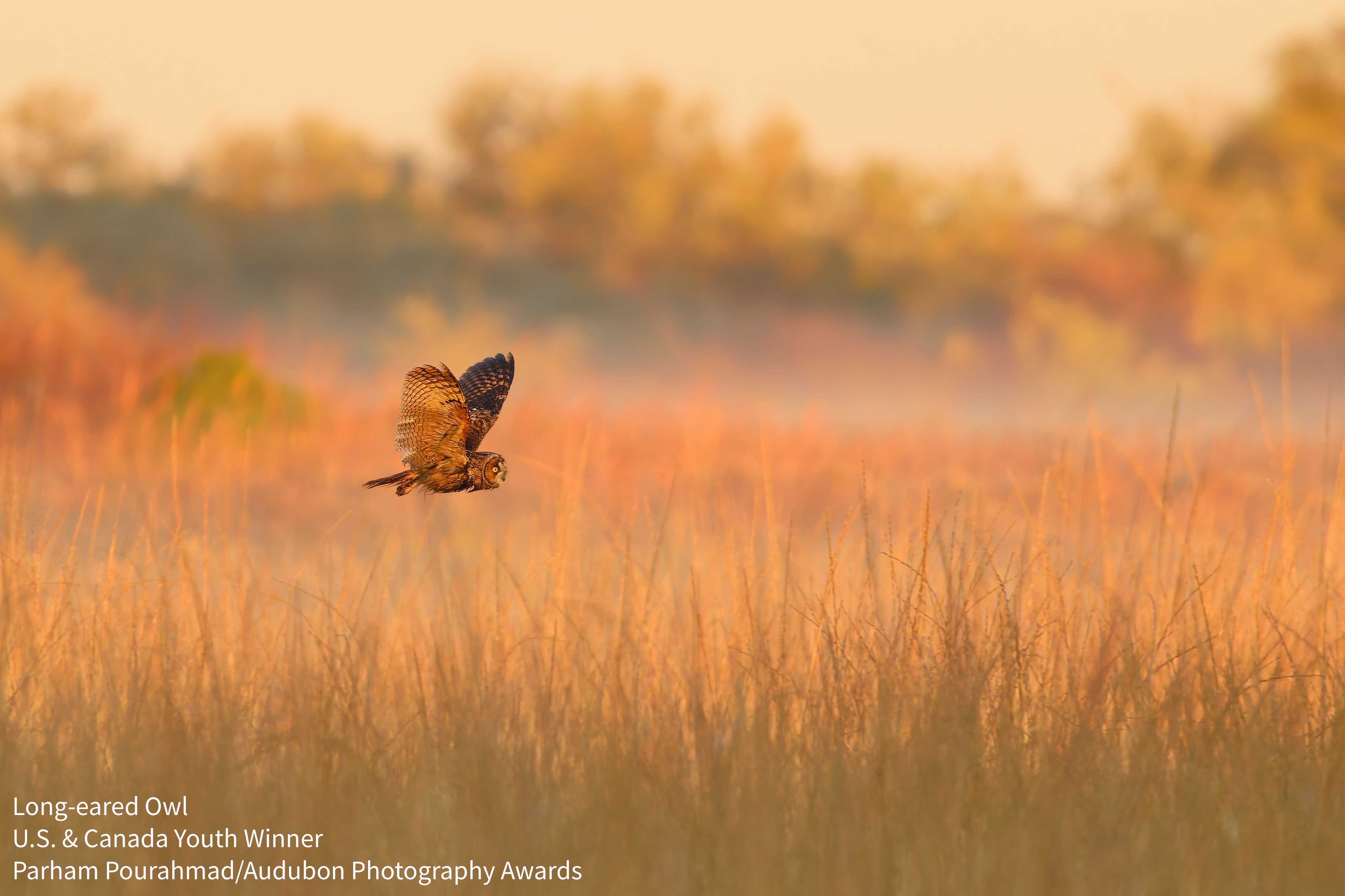
Fall is here, and as the days grow shorter, birds like the Long-eared Owl—celebrated in this year's Audubon Photography Awards—begin congregating in small groups for the season. We channeled that same spirit of banding together into policy progress. Thanks to bird advocates like you, working together with us, two Audubon co-sponsored bills have now been signed: AB 454 to permanently secure migratory bird safeguards in California and SB 427 to extend the Habitat Conservation Fund through 2035. Audubon-supported AB 1319 was also signed, strengthening California's Endangered Species Act. Together, these measures will all lock in durable safeguards for habitat and wildlife across the state. Thank you for speaking up, writing letters, and staying engaged. Your advocacy is making a difference for birds and people across California!
Dive into highlights on recent legislative wins, responsible offshore wind planning, eelgrass and sanctuary stewardship at Richardson Bay, and the new Spanish translation of our Salton Sea science brief, which is opening important opportunities for conservation. Then explore California's Audubon Photography Awards winners, celebrating the extraordinary biodiversity that makes this place so important for birds. | | | | |
| The Youth Prize for the 2025 Audubon Photography Awards United States and Canada contest goes to Parham Pourahmad for this remarkable Long-eared Owl flying over grass. *See the other winners towards the bottom of the newsletter. | | | | |
| Honoring Indigenous Peoples, this Monday and every day | From the Kumeyaay rewilding San Diego's Mission Bay to the many tribes that worked for the establishment of the Chuckwalla National Monument, our Tribal and Indigenous partners across the state are leading critical conservation efforts. We are honored to learn from their experience and expertise as the original stewards of these lands and ecosystems.
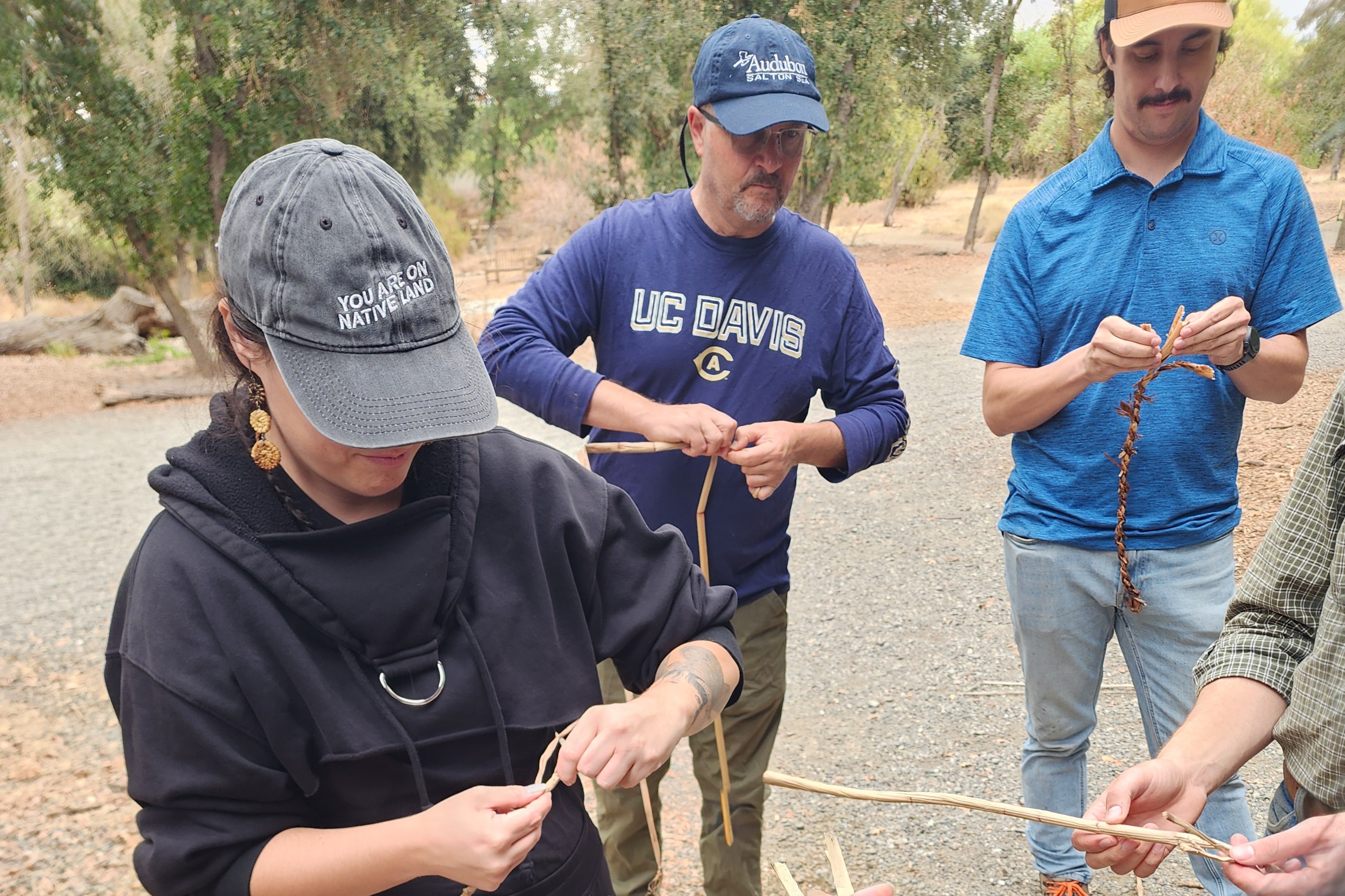
Last week, several members of our Audubon California team had the opportunity to join Diana Almendariz, a Traditional Ecological Knowledge (TEK) practitioner and storyteller of Nisenan Maidu and Patwin Wintun heritage, at Cache Creek Nature Preserve to experience how TEK is restoring balance to the wetlands there.
Sustainable conservation must be done in partnership with local communities and those most affected. We're committed to listening, learning, and collaborating with our partners on this important day and every day. | | | | |
| Audubon CA staff members Lindsay Rowe (Salton Sea and Desert), Pelayo Alvarez (Conservation Ranching), and Ian Souza-Cole (Working Lands) learn to weave tule, an ecologically and culturally significant sedge native to freshwater marshes. | | | | |
| Three big victories for birds! California chapters, partners, and supporters mobilized to advance key protections for birds and people. See what passed, and what's next. | | | | |
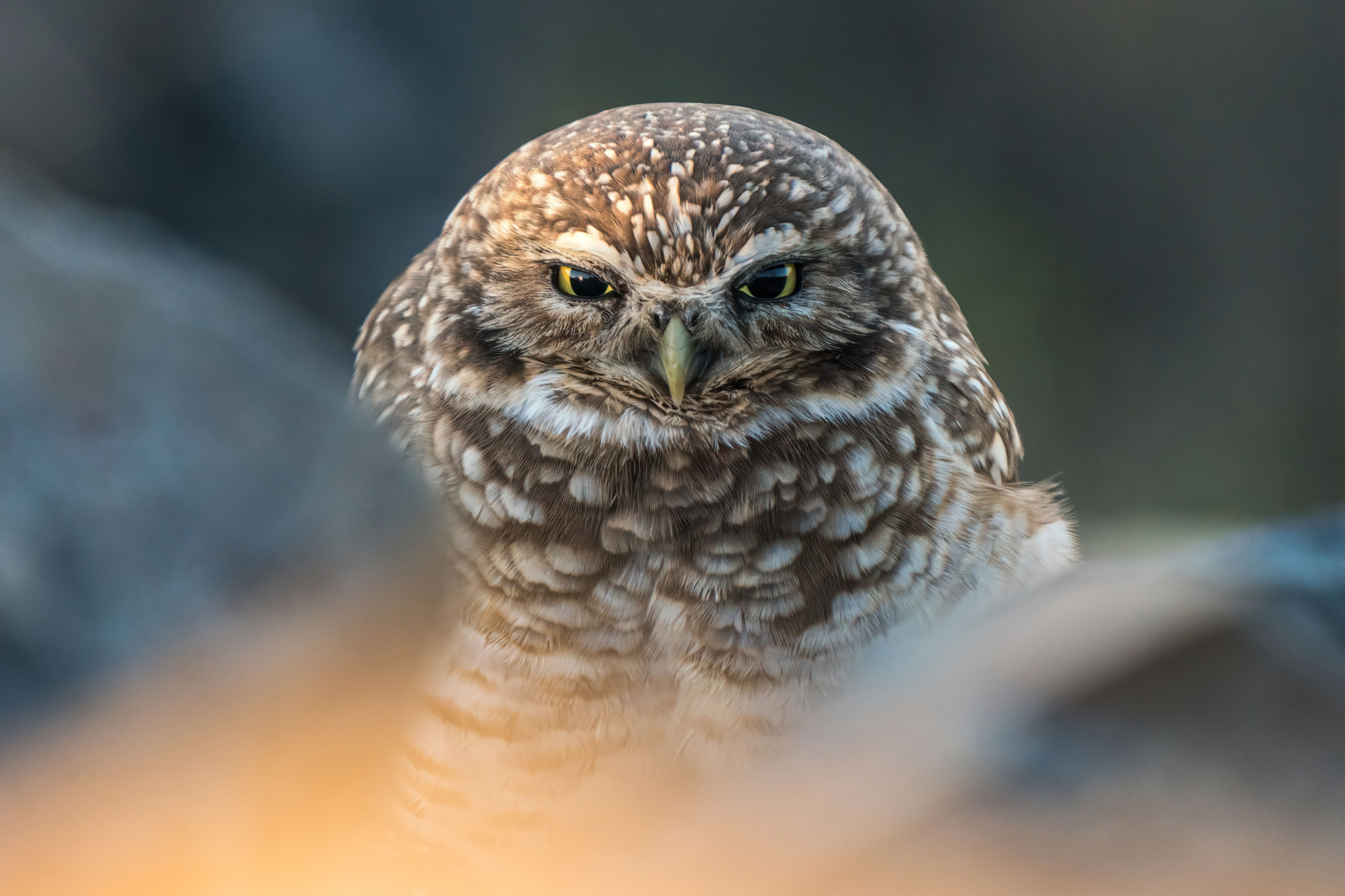
| Burrowing Owl. Audubon Photography Awards/Michael Rigney | | | | |
| Climate change is a top threat to birds, and responsibly sited offshore wind is part of the solution. This explainer digs into lessons from existing projects, how science and monitoring guide siting and mitigation, and why local knowledge, including of Tribes, chapters, and coastal communities, matters. It also outlines how California can meet clean-energy goals while safeguarding seabirds and marine life. Take a moment to explore how offshore wind can work for birds now. | | | | |
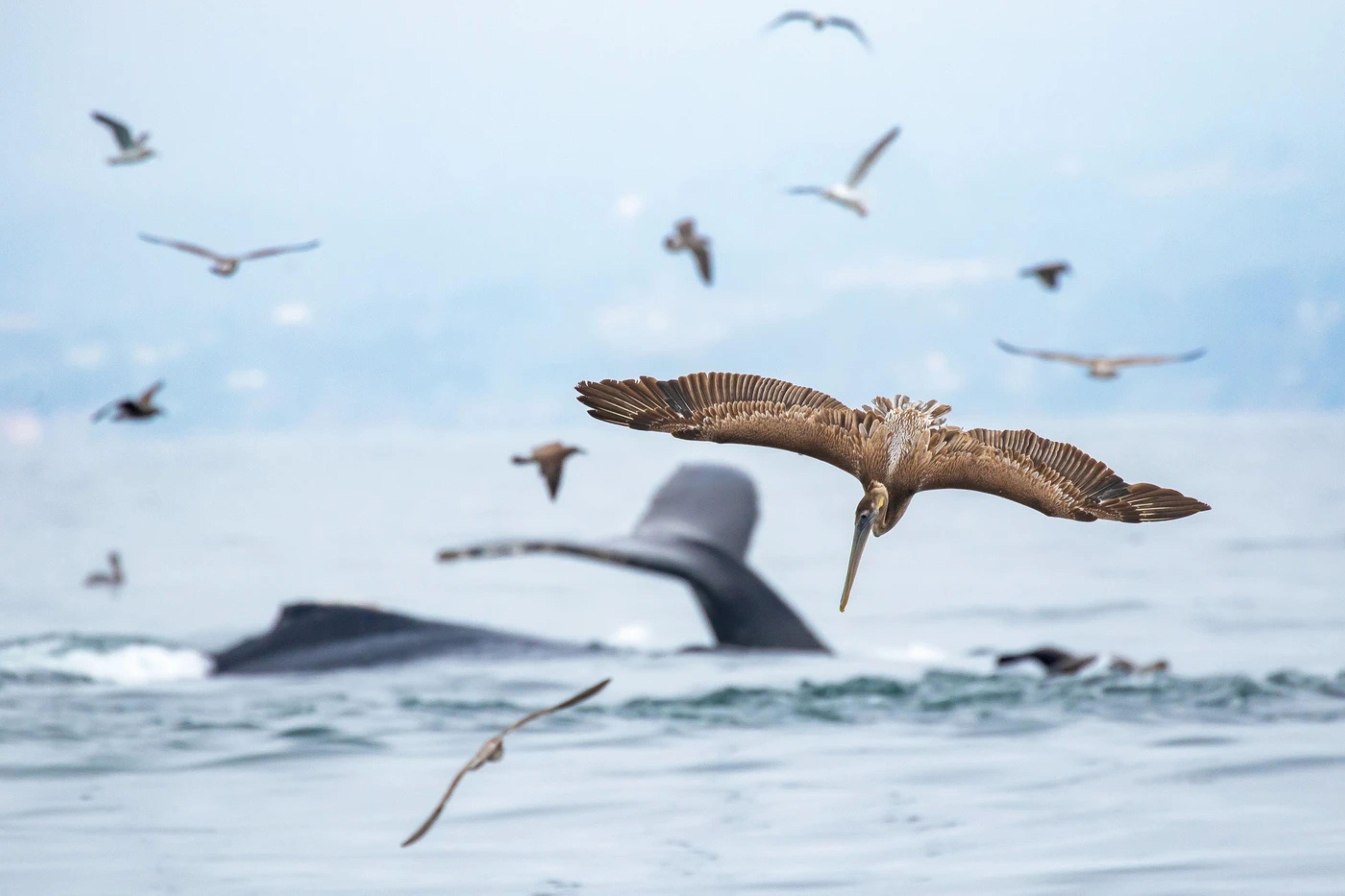
| Morgan Quimby, a photographer and researcher for Monterey Bay Whale Watch in California, captured this stunning scene of a California Brown Pelican with a whale and other seabirds in the background. Photo: Morgan Quimby/Audubon Photography Awards | | | | |
| This spring, Grinnell Legacy Society members got a behind-the-scenes look at Audubon's restoration work at Kern River Preserve—where native plant recovery, exercised water rights, and community partnerships are supporting birds in a big way. Members had the chance to enjoy Western Burrowing Owls, state-threatened Tricolored Blackbirds, and Lawrence's Goldfinch! Explore the Kern River's incredible biodiversity! | | | | |
| Prairie Falcon. Marti Phillips/Audubon Photography Awards. | | | | |
| New Audubon California science shows emerging wetlands are expanding at the Sea—and shorebirds are responding. Seven years of surveys reveal rising shallow-water habitat, a 15% annual increase in waterbirds overall, and clear opportunities to protect and enhance these new wetlands while using less water. The brief outlines habitat trends and practical, near-term conservation actions. Dive back into the Salton Sea science brief—and explore our new Spanish translation. | | | | |
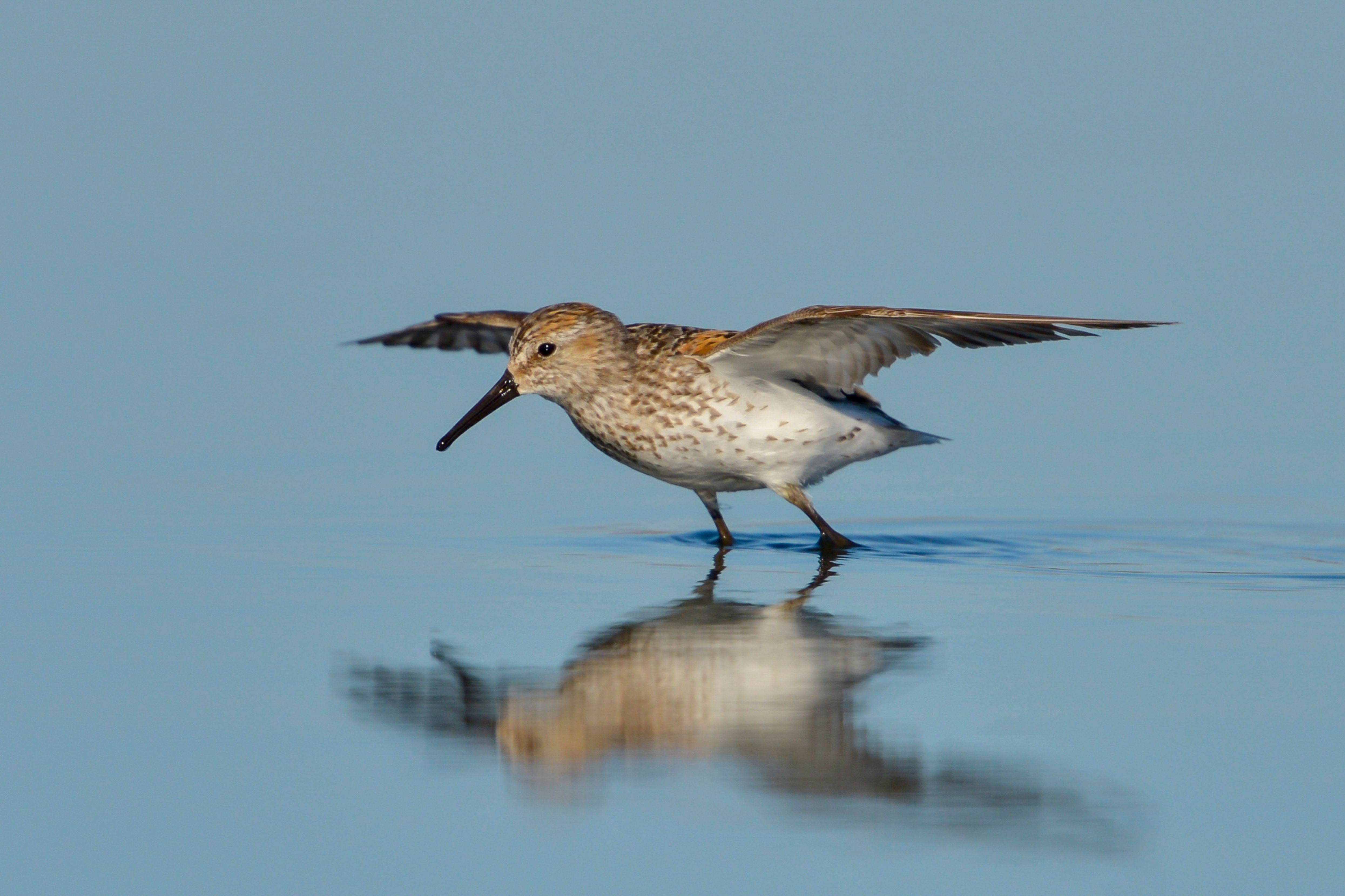
| Western Sandpiper. Photo: Tom Ingram/Audubon Photography Awards | | | | |
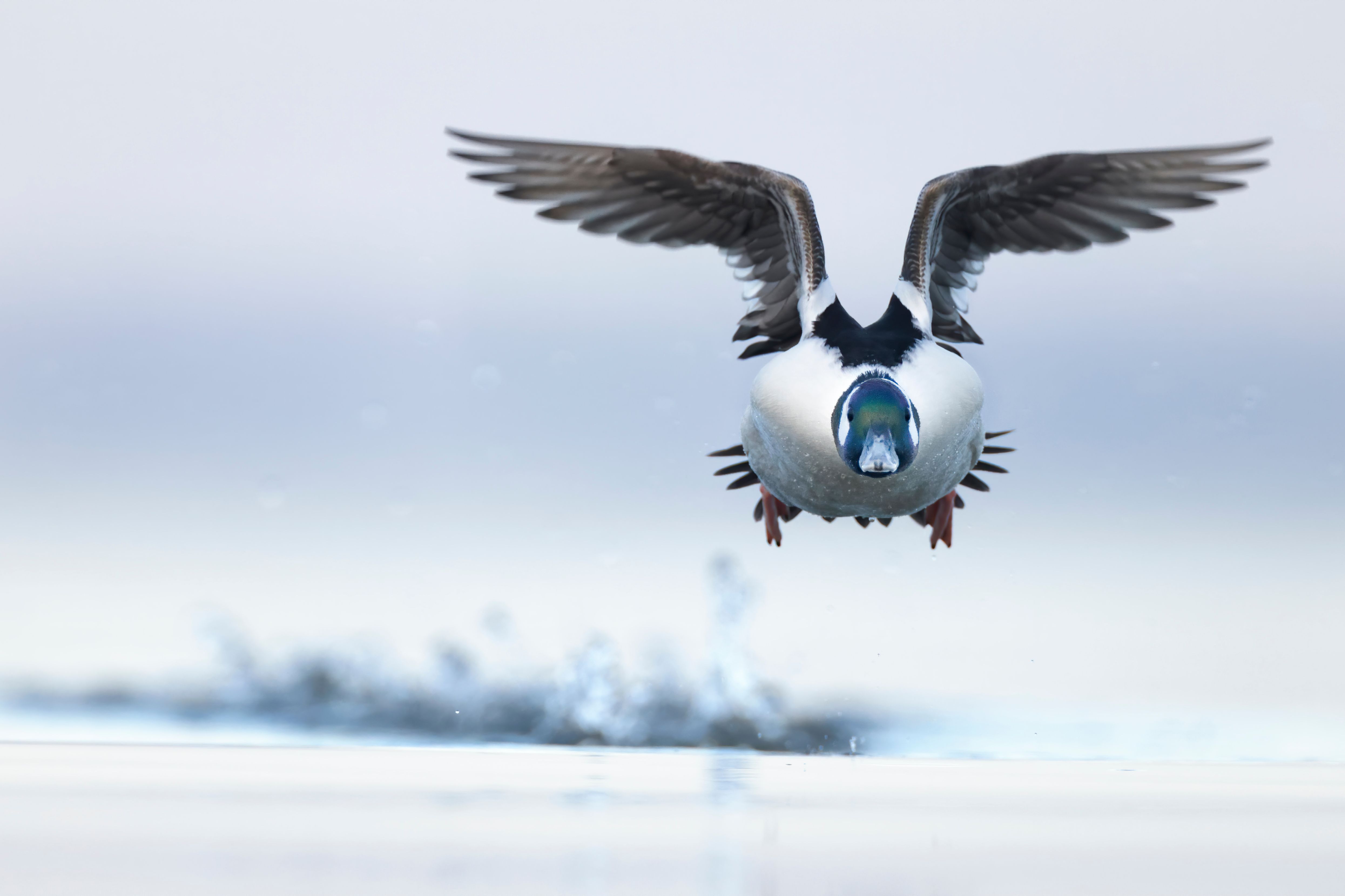
| Bufflehead. Photo: Joshua Galicki/Audubon Photography Awards | | | | |
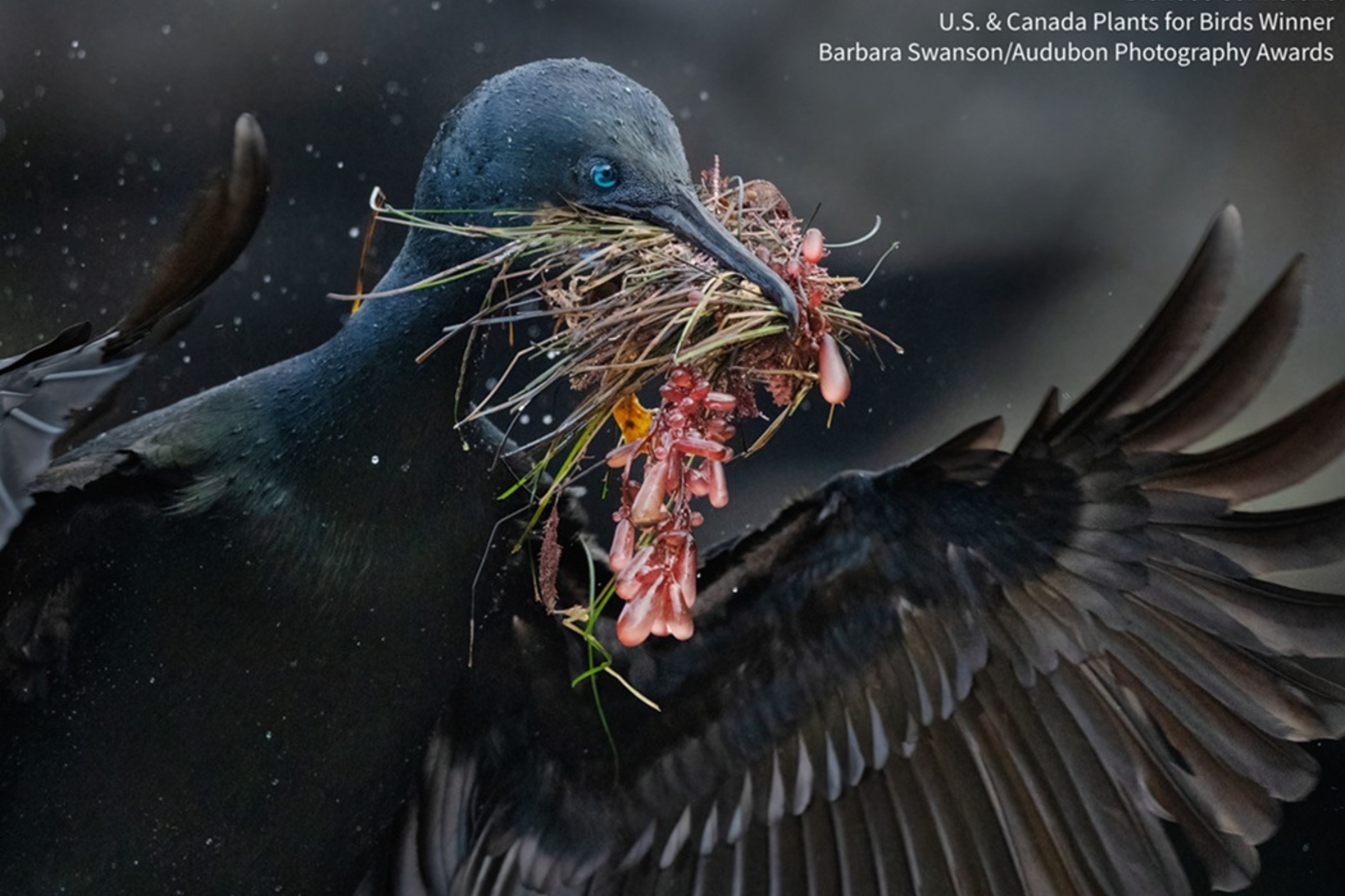
| From La Jolla to Fremont, California our beautiful landscapes shone brightly in this year's Audubon Photography Awards: Barbara Swanson of San Diego County, a Buena Vista Audubon board member, won the Plants for Birds prize for her Brandt's Cormorant photo from La Jolla, and Parham Pourahmad of Santa Clara County took the Youth Prize for his Long-eared Owl image from Coyote Hills in Fremont. Meet all the winners and see the stunning gallery! | | | | |
| Brandt's Cormorant, sea grass, red grape algae. Photo: Barbara Swanson/Audubon Photography Awards 2025 Plants for Birds Winner | | | | |
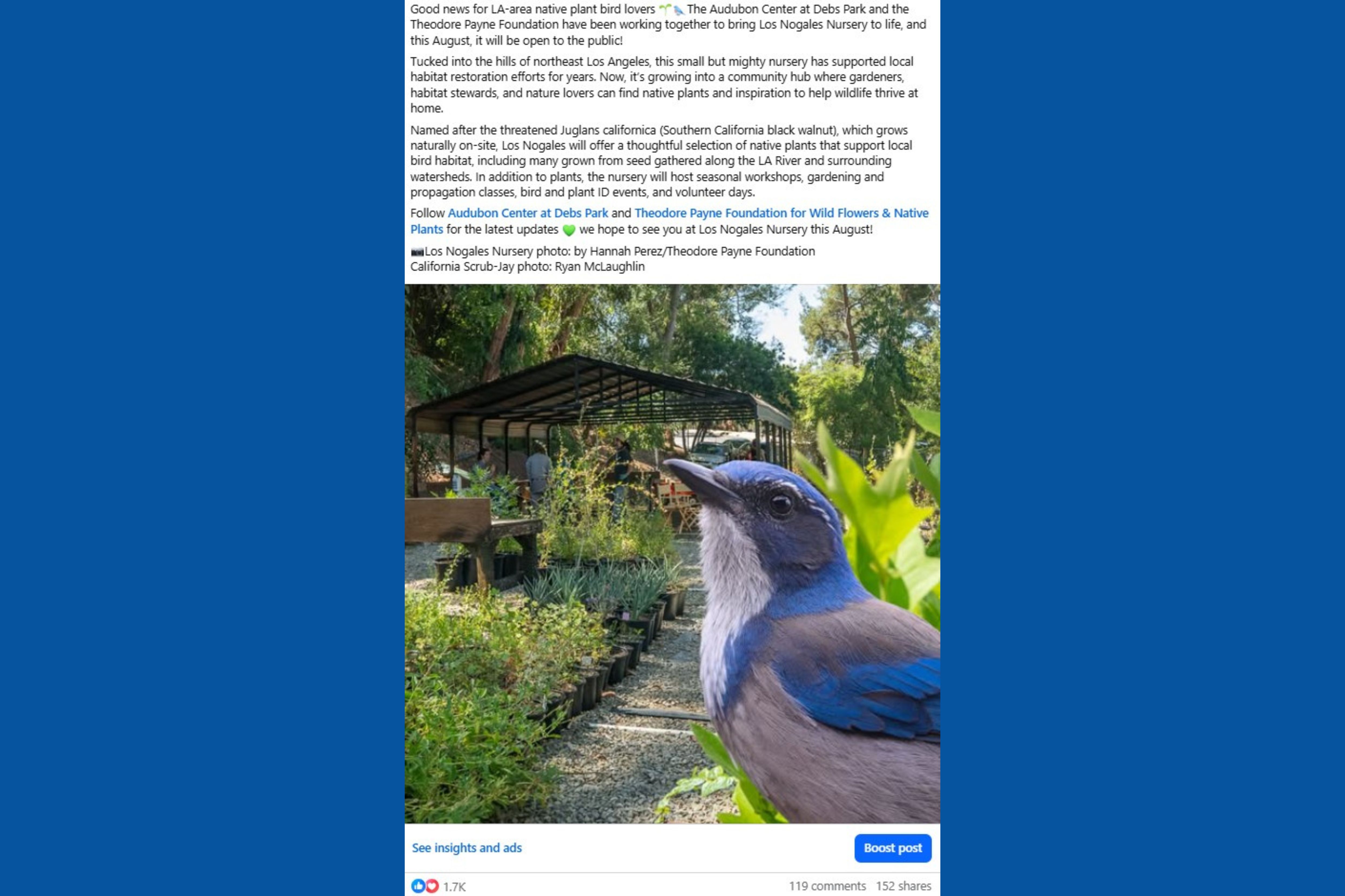
| Los Nogales Nursery photo: by Hannah Perez/Theodore Payne Foundation California Scrub-Jay photo: Ryan McLaughlin | | | | |
Richardson Bay Audubon Center & Sanctuary is ground zero for wintering waterbirds and Pacific herring in the San Francisco Bay. Lush eelgrass meadows form the foundation of this estuary—feeding and sheltering migratory waterbirds and supporting fish, invertebrates, and the broader Bay.
From October 1 to March 31, the sanctuary is closed to boat traffic and all in-water activities to provide undisturbed refuge for migrating and overwintering birds like the stunning Bufflehead. | | | | |
| Audubon CA staff photo: Shineh Rhee/Audubon California | | | | |






No comments:
Post a Comment