From the Salton Sea to the Central Valley, a season of progress for birds—powered by science and collaboration
͏ ͏ ͏ ͏ ͏ ͏ ͏ ͏ ͏ ͏ ͏ ͏ ͏ ͏ ͏ ͏ ͏ ͏ ͏ ͏ ͏ ͏ ͏ ͏ ͏ ͏ ͏ ͏ ͏ ͏ ͏ ͏ ͏ ͏ ͏ ͏ ͏ ͏ ͏ ͏ ͏ ͏ ͏ ͏ ͏ ͏ ͏ ͏ ͏ ͏ ͏ ͏ ͏ ͏ ͏ ͏ ͏ ͏ ͏ ͏ ͏ ͏ ͏ ͏ ͏ ͏ ͏ ͏ ͏ ͏ ͏ ͏ ͏ ͏ ͏ ͏ ͏ ͏ ͏ ͏ ͏ ͏ ͏ ͏ ͏ ͏ ͏ ͏ ͏ ͏ ͏ ͏ ͏ ͏ ͏ ͏ ͏ ͏ ͏ ͏ ͏ ͏ ͏ ͏ ͏ ͏ ͏ ͏ ͏ ͏ ͏
As spring migration winds down and we head into summer, we're reflecting on the incredible efforts happening across California to support birds, habitats, and communities. From habitat conservation to advocacy leadership, science-driven studies to volunteer planting days, this season has been full of momentum.
This spring, we celebrated a milestone: 10 years of BirdReturns, an innovative habitat program in the Central Valley that brings together private wetlands managers, farmers, and scientists to support migratory birds. A decade in, this collaboration continues to show how working lands and conservation can thrive side by side.
In April, hundreds of volunteers took part in the statewide Tricolored Blackbird survey, a massive effort to locate active breeding colonies of one of California's most beloved, state-threatened species. Audubon staff and community chapters across the state were proud to participate, joining partners and volunteer birders to make this triennial count possible. And we've launched a movement study using Motus and Argos technology to better understand how these nomadic birds shift between breeding and winter sites across the Central Valley and beyond.
At the Salton Sea, a new science brief highlights seven years of bird surveys and habitat assessments, revealing how birds are responding to rapid environmental change to help guide habitat restoration. And for the first time, water is now flowing into the State of California's Species Conservation Habitat Project, providing much-needed refuge for shorebirds and cleaner air for nearby communities. In May, we also celebrated the graduation of our first Salton Sea Leadership Program cohort, whose capstone projects reflect the power of local voices in shaping the Sea's future.
At the Audubon Center at Debs Park, the work of restoring native habitat is in full bloom. This year alone, 489 volunteers have contributed more than 1,700 hours, planting over 1,700 native plants and propagating hundreds more for community giveaways—helping build a more resilient urban ecosystem for birds, pollinators, and people. And further north, at Richardson Bay Audubon Center and Sanctuary, Audubon Youth Leaders reached an exciting milestone, completing their California Naturalist Certifications as part of their journey to become the next generation of environmental stewards.
Love hearing all this hopeful news? Keep on reading! And if you're really feeling inspired, don't forget to dive into our latest Salton Sea Science Brief.
| | | | |
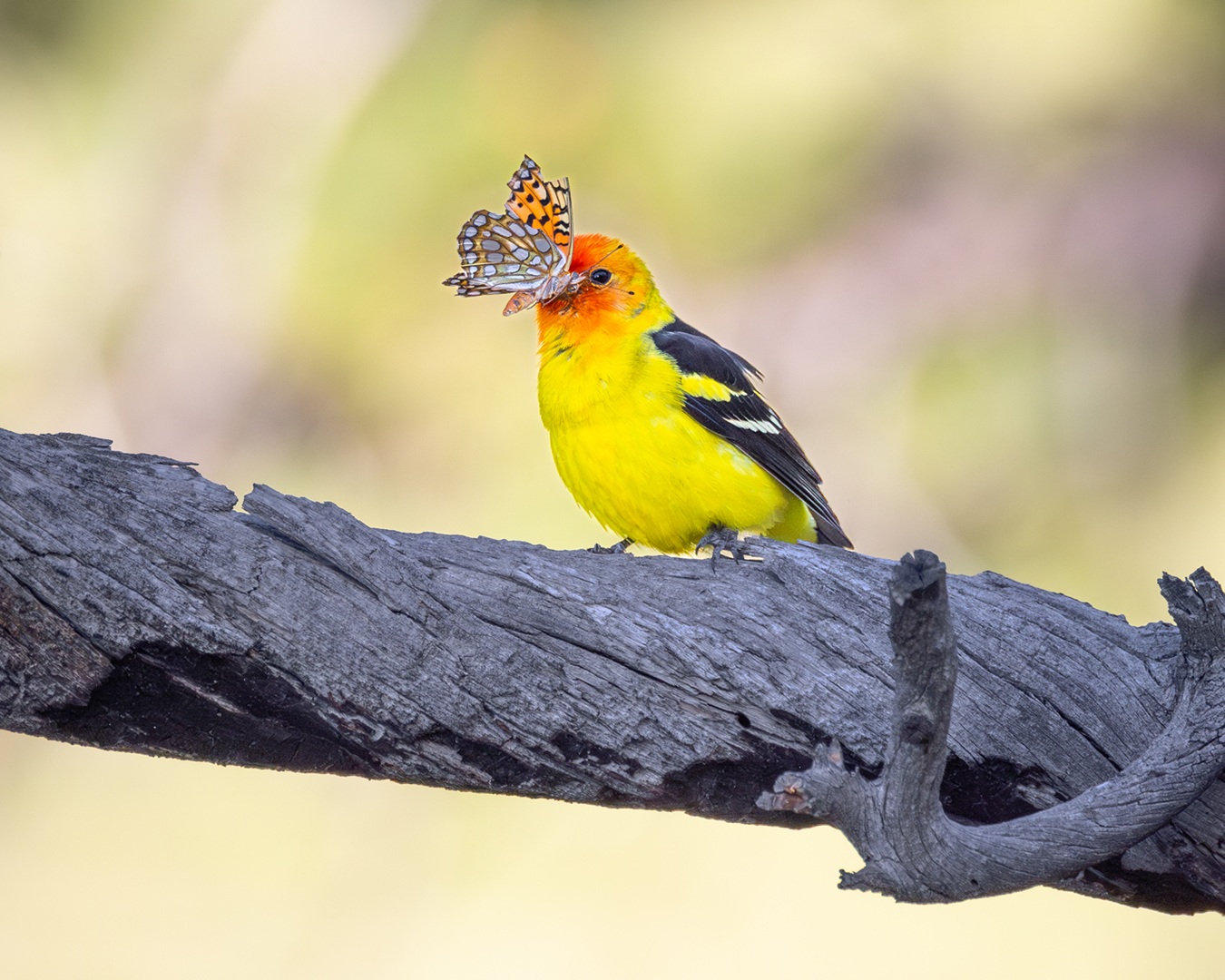
| From desert washes to riparian forests, the Western Tanager relies on diverse California landscapes to complete its migration. Photo: Murali Hanabe/Audubon Photography Awards | | | | |
| What if private wetlands and farms could double as rest stops for birds? What if science, timing, and teamwork could create habitat exactly when birds need it most? Since 2014, BirdReturns has done just that—bringing together wetlands managers, farmers, and scientists to support migratory birds across California's Central Valley. This spring, we celebrated 10 years of innovation with our partners at The Nature Conservancy and Point Blue Conservation Science. Celebrate with us—watch our video and see what's possible when conservation and collaboration meet. | | | | |
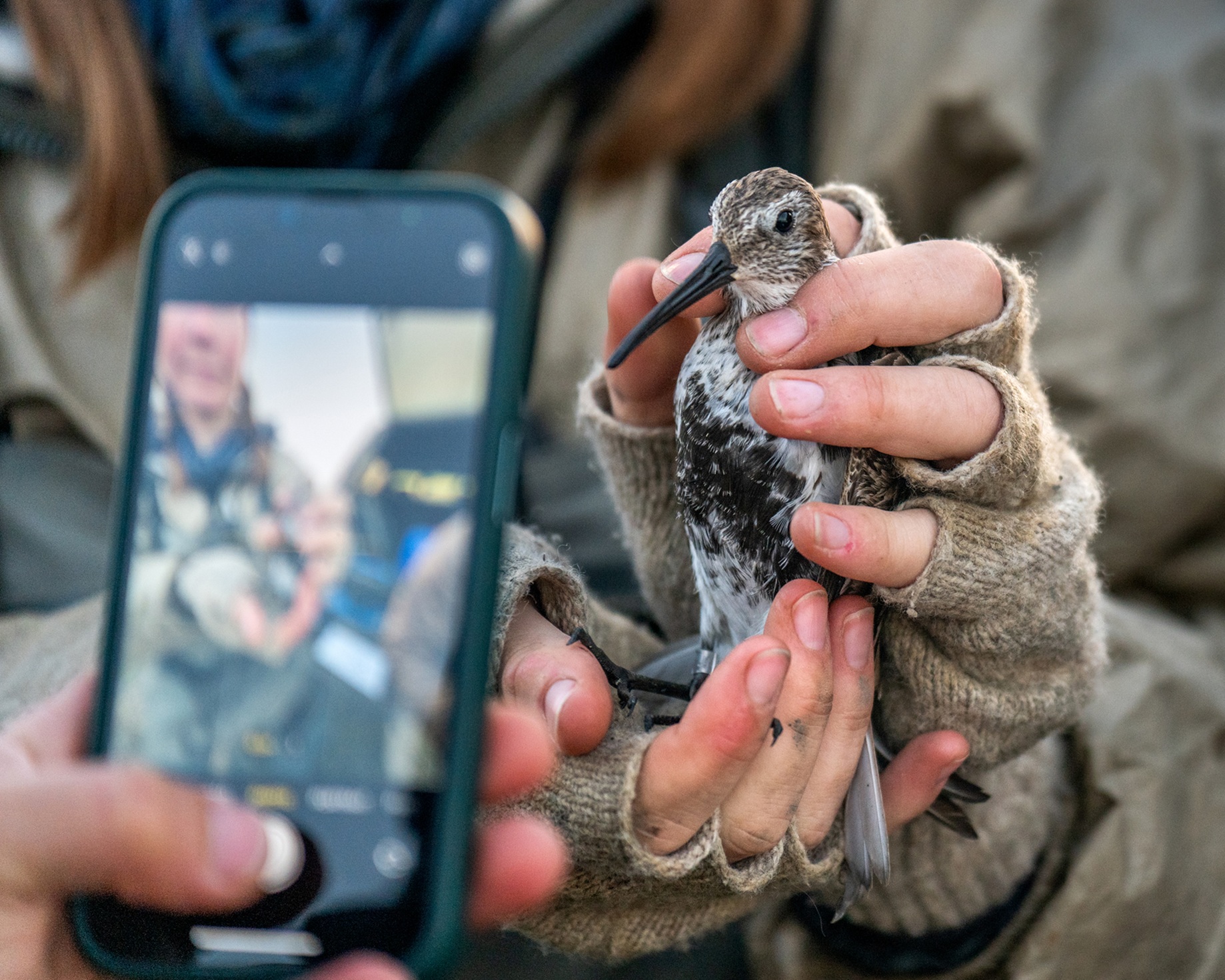
| Permitted researcher Kirsti Carr (Point Blue, UC Davis) holds a Dunlin on the morning of the BirdReturns 10 year celebration, during the final week of the Migratory Bird Conservation Partnership's four-year collaborative drought study. Photo: Alecia Smith | | | | |
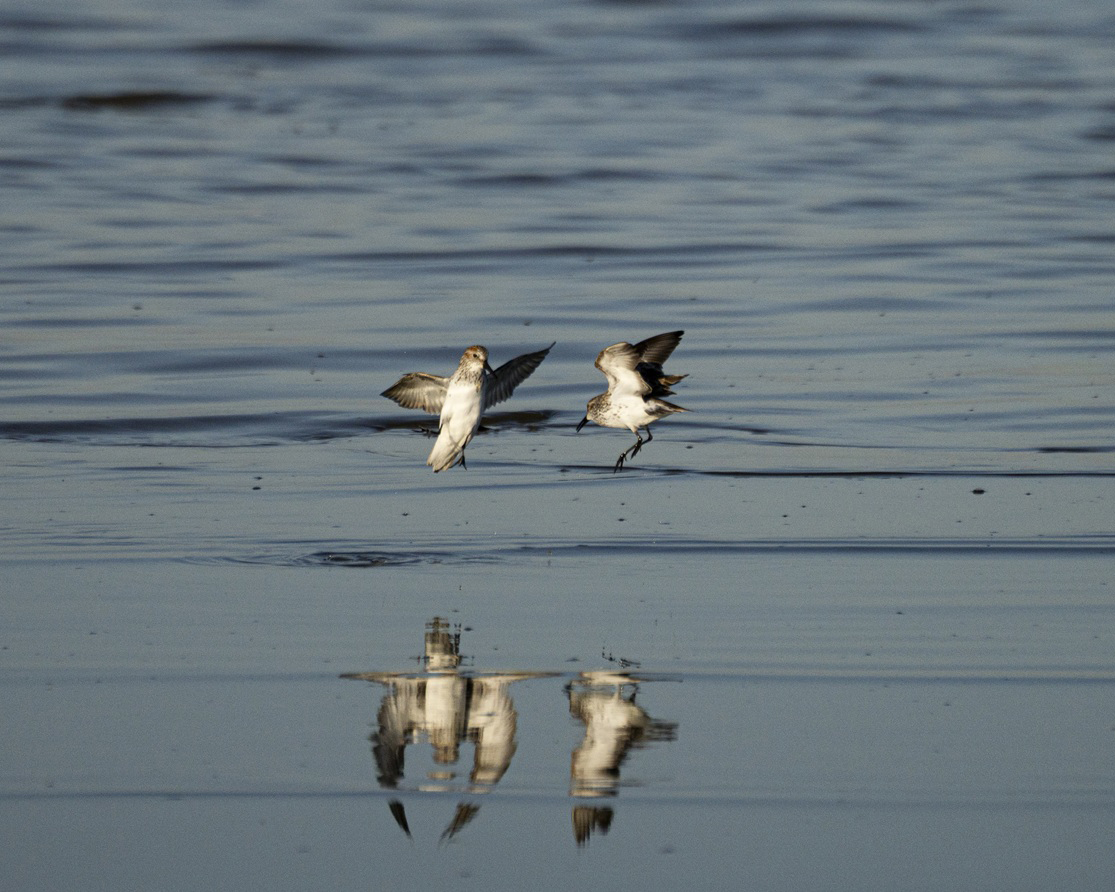
| Western Sandpipers at the Salton Sea. Photo: Sydney Walsh/Audubon | | | | |
| Ian Souza-Cole, biologist and working lands program manager with Audubon, surveys a field of state-threatened Tricolored Blackbirds. A raptor, likely a Northern Harrier, soars above the flock. Photo: Alecia Smith/Audubon | | | | |
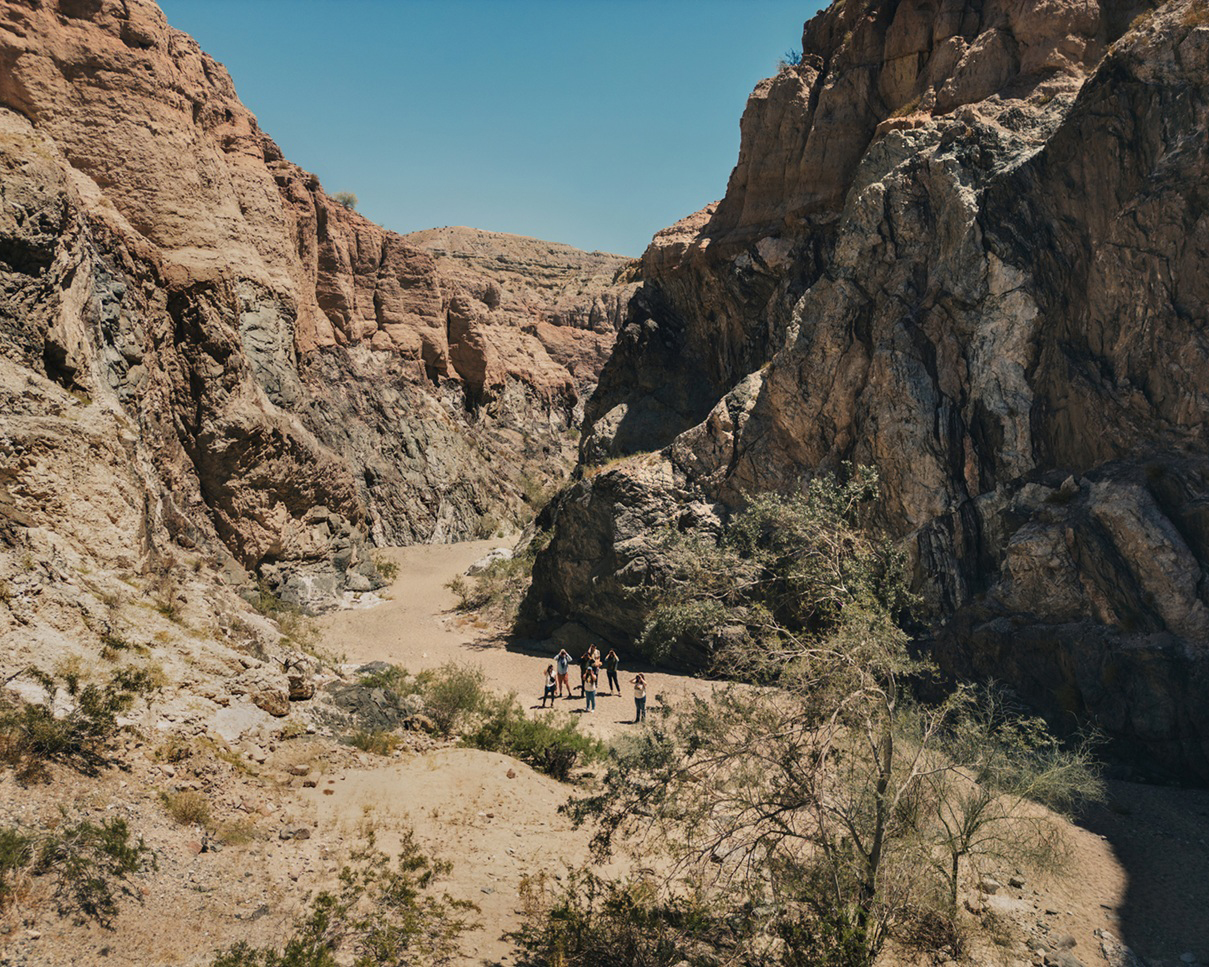
| A quiet hike through Joshua Tree turned into a welcome encounter with spring migrants, offering a vivid reminder that even the most remote desert habitats, including places like Chuckwalla National Monument, play a vital role in migration. From desert washes to riparian forests, connected landscapes like Audubon Kern River Preserve and a newly installed Motus station are helping us track bird movements. Explore how our work across California is helping migratory birds thrive. | | | | |
| Audubon staff hiking Painted Canyon (desert wash habitat), part of the Chuckwalla National Monument area just north of the Salton Sea. Photo: Mike Fernandez/Audubon | | | | |
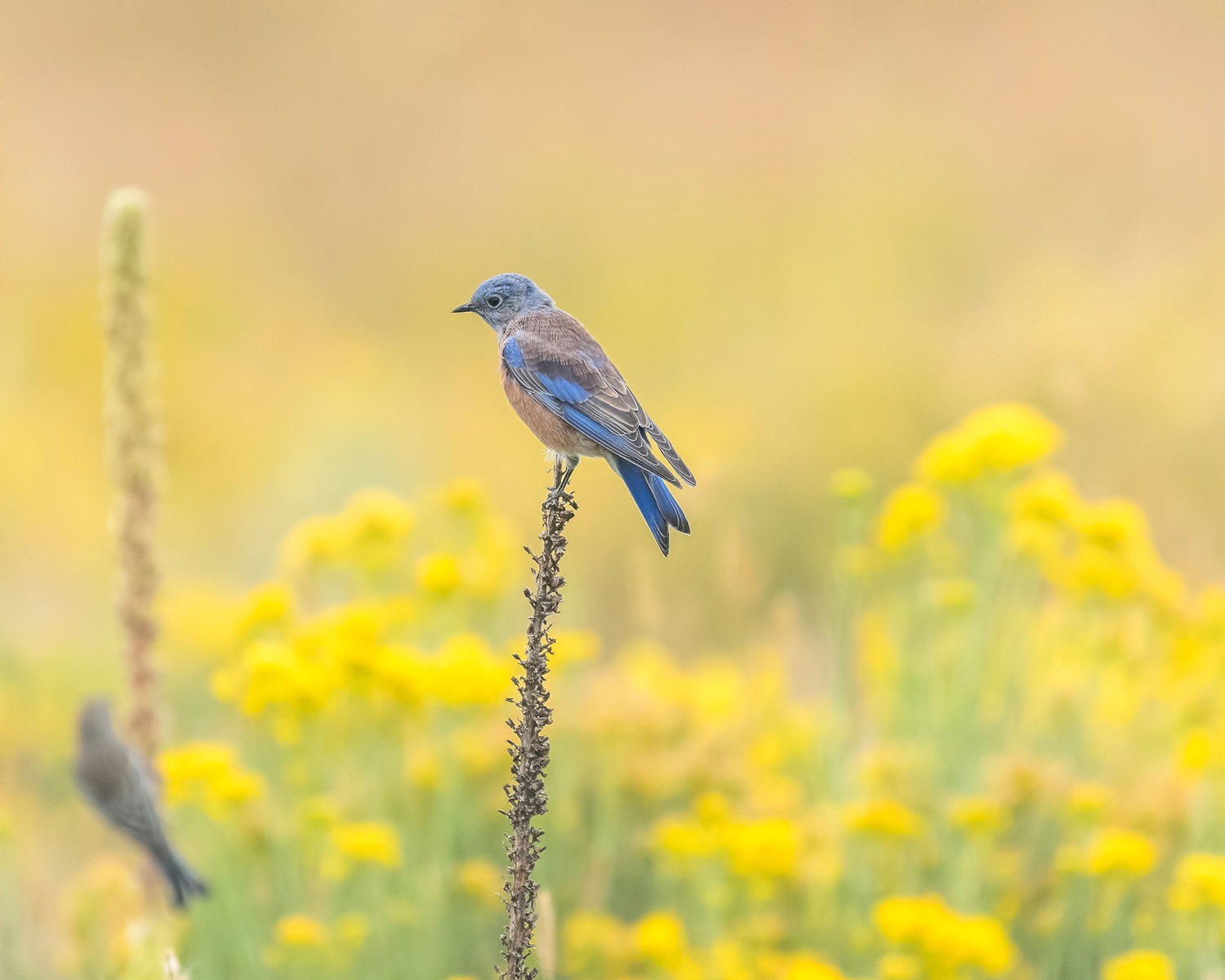
| Western Bluebird. Photo: Patricia Kappmeyer/Audubon Photography Awards | | | | |
| Spring Policy Updates: Progress Towards Protecting California's Incredible Biodiversity | AB 454 – California Migratory Bird Protection Act
Removes the sunset date of the California Migratory Bird Protection Act, making protections for migratory birds permanent under state law. We are grateful to all the supporters who helped move us closer to ensuring California remains a stronghold for migratory birds.
Next stop: Senate Appropriations.
AB 929 – Protecting Wetlands and Community Water
AB 929 passed the Assembly floor. By protecting groundwater access, this bill will help ensure both vital wetland habitat for birds and reliable water access for underserved communities. Next stop: State Senate for consideration.
SB 427 – Extending the Habitat Conservation Fund
The Senate voted unanimously to extend the Habitat Conservation Fund through 2035. This vital fund has helped protect and restore hundreds of habitats across the state, benefiting both wildlife and communities. Next stop: State Assembly for consideration.
Loving the momentum? Follow along on Instagram. | | | | |
| Audubon California in the News | | | | |







No comments:
Post a Comment